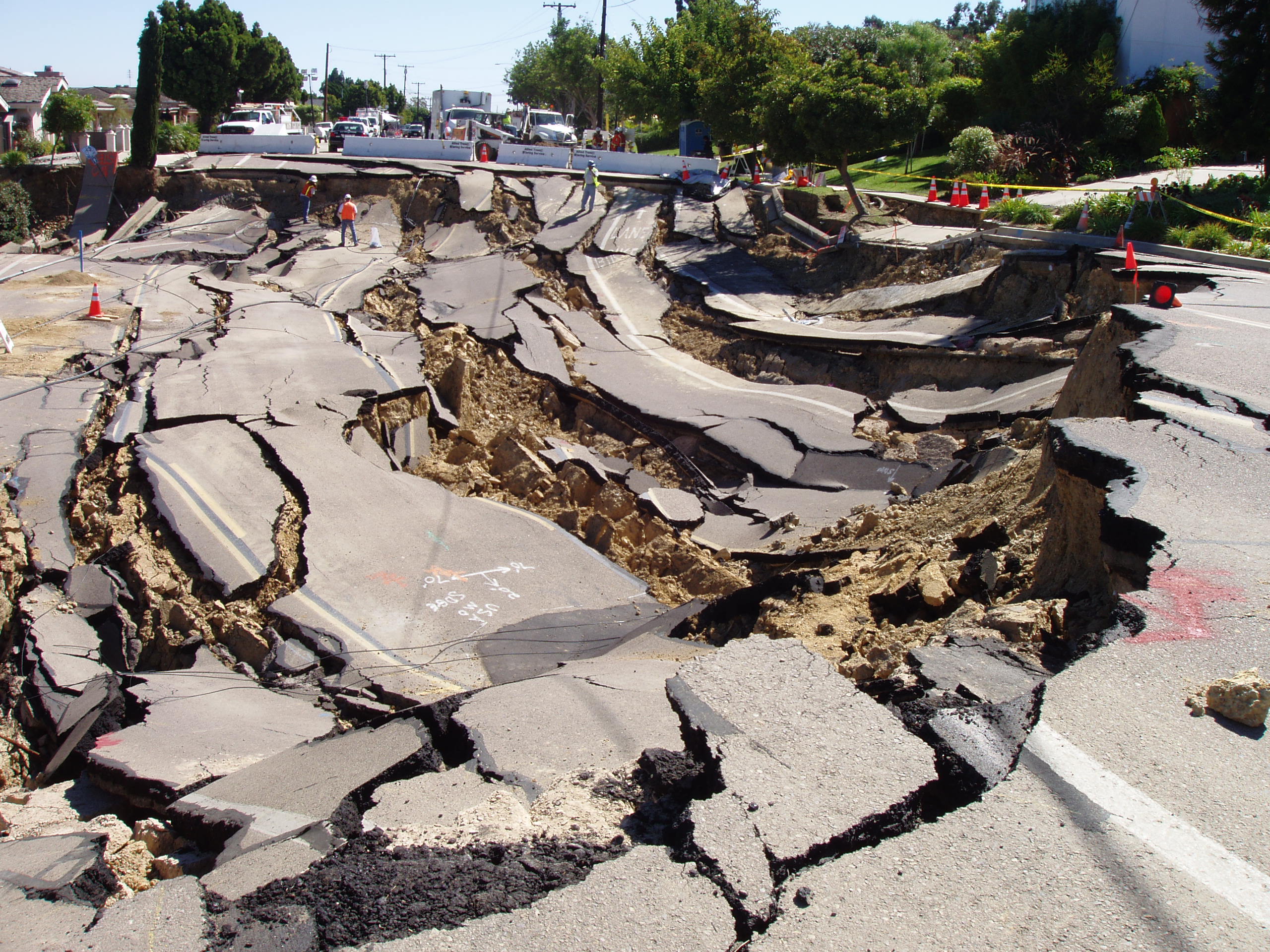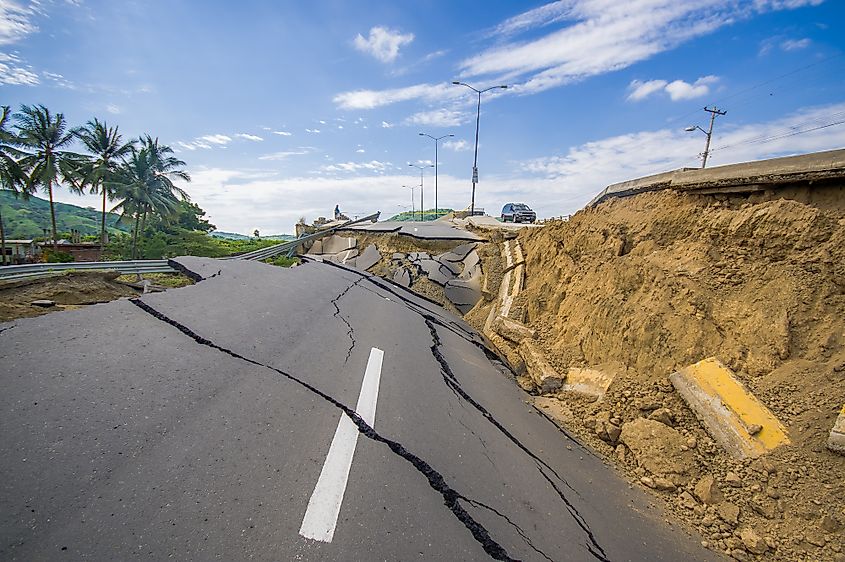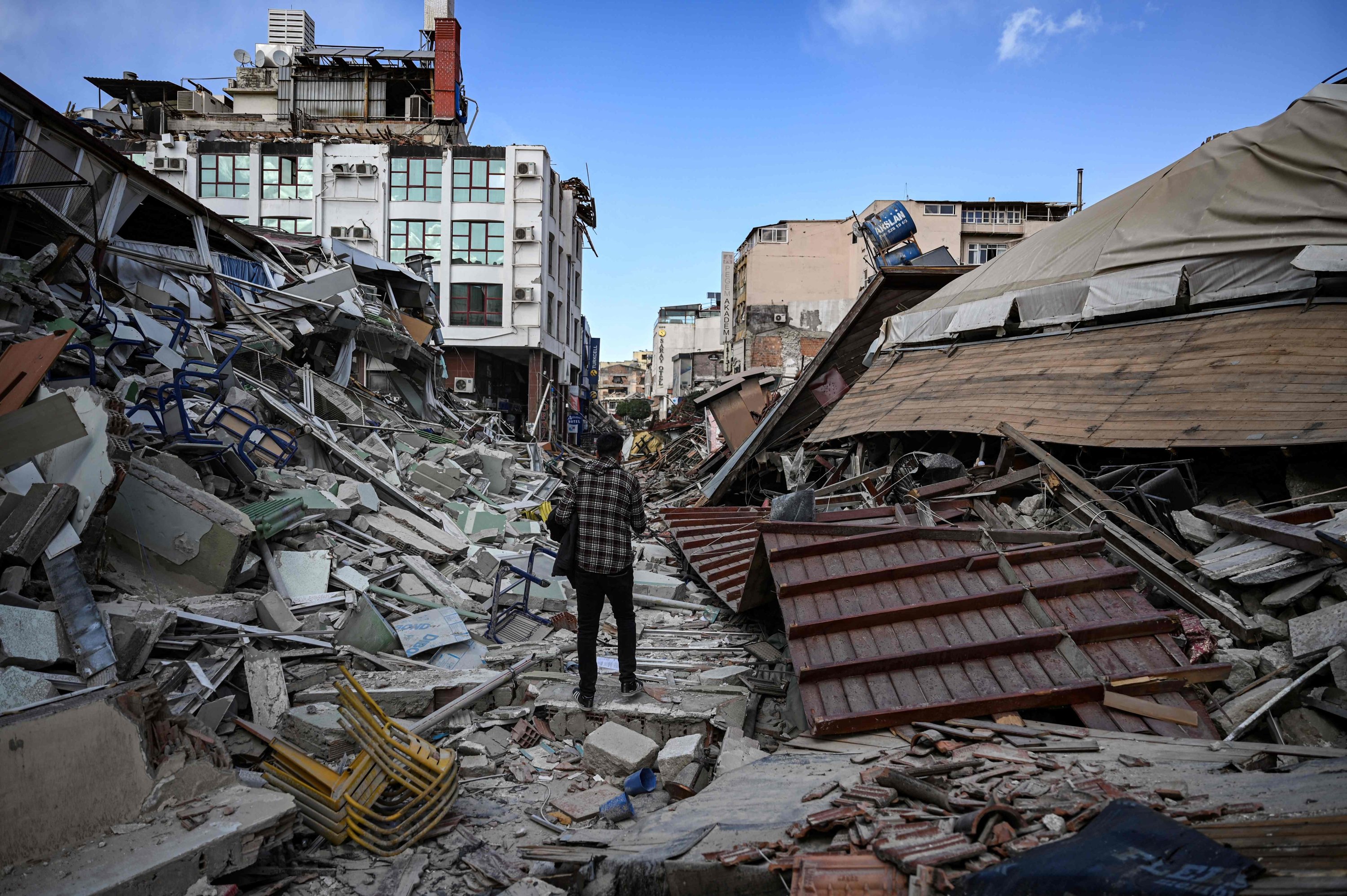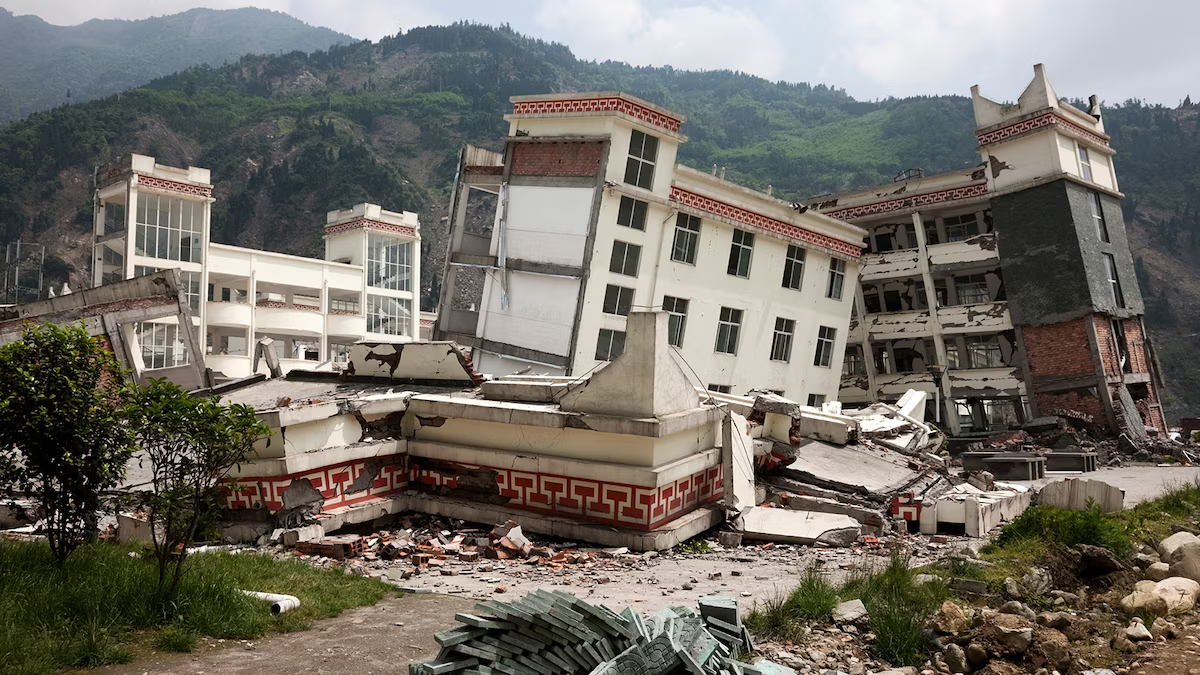
California, the Golden State, is synonymous with sunshine, innovation, and a vibrant culture. However, beneath its picturesque landscapes lies a complex network of geological faults, a constant reminder of the powerful forces shaping the Earth. Understanding the earthquake fault map of California is not just a scientific endeavor; it’s crucial for informed decision-making in urban planning, building codes, emergency preparedness, and ultimately, the safety of millions of residents.
This article delves into the intricacies of California’s earthquake fault map, exploring its major fault lines, the science behind mapping these fractures, the legislation driving its development, and the practical implications for residents and the state’s future.
The Landscape of Fracture: Major Faults of California
California sits on the boundary between the Pacific and North American tectonic plates. These plates are constantly grinding against each other, building up stress that is eventually released in the form of earthquakes. This interaction has created a dense network of faults throughout the state, each with its own characteristics and potential for seismic activity. Some of the most prominent include:
-
The San Andreas Fault: This is arguably the most famous and influential fault in California. Stretching over 800 miles from Cape Mendocino in the north to the Salton Sea in the south, it marks the primary boundary between the Pacific and North American plates. The San Andreas Fault is a right-lateral strike-slip fault, meaning the Pacific Plate is moving northwest relative to the North American Plate. This movement, averaging around 2 inches per year, accumulates stress that leads to periodic earthquakes. The infamous 1906 San Francisco earthquake, which devastated the city, was caused by a rupture along the northern segment of the San Andreas Fault. The southern segment, near Los Angeles, is considered a high-risk area for a future major earthquake, often referred to as "The Big One."
-
The Hayward Fault: Located in the densely populated East Bay region, the Hayward Fault runs directly through cities like Berkeley, Oakland, and Fremont. It is a highly active fault with a history of significant earthquakes, including a magnitude 7.0 event in 1868. The Hayward Fault is also a right-lateral strike-slip fault and is considered overdue for another major earthquake, posing a significant threat to the millions who live and work in its vicinity. Creep, a slow, continuous movement along the fault, is observed in many areas, but this does not preclude the possibility of a large, destructive earthquake.
-
The Calaveras Fault: Parallel to the Hayward Fault and located further east, the Calaveras Fault is another significant right-lateral strike-slip fault. It extends from Sunol in the north to Hollister in the south and is part of the broader San Andreas Fault system. While generally less active than the Hayward and San Andreas Faults, the Calaveras Fault is capable of producing moderate to large earthquakes and contributes to the overall seismic hazard in the Bay Area.
-
The Garlock Fault: This left-lateral strike-slip fault forms the southern boundary of the Sierra Nevada mountain range and connects to the San Andreas Fault near the Tejon Pass. The Garlock Fault is significant because it represents a major structural boundary and influences the stress regime in Southern California. Its interaction with the San Andreas Fault is complex and plays a role in the overall seismic hazard assessment.
-
The Elsinore Fault Zone: Located in Southern California, the Elsinore Fault Zone is a complex system of interconnected faults that extends from the Mexican border to near Lake Elsinore. It is a right-lateral strike-slip fault and has been responsible for several moderate earthquakes in the past. The Elsinore Fault Zone is considered a significant contributor to the seismic hazard in the region, particularly for communities in Riverside and San Diego counties.
-
The Sierra Nevada Fault: Running along the eastern edge of the Sierra Nevada mountain range, this fault is responsible for the uplift of the mountains themselves. While less active than some of the strike-slip faults in California, it can still produce significant earthquakes, particularly in the eastern Sierra region.
Mapping the Unseen: The Science Behind Fault Identification and Characterization
Creating an accurate earthquake fault map is a complex and ongoing process that relies on a variety of scientific techniques and data sources. The primary goal is to identify active faults, determine their location and geometry, and assess their potential for future earthquakes.
-
Geological Mapping: Traditional geological mapping involves studying the surface geology to identify fault traces, which are the visible expressions of faults on the Earth’s surface. This includes looking for features like offset stream channels, scarps (steep slopes created by fault movement), and sag ponds (depressions formed by fault subsidence).
-
Paleoseismology: This field involves studying past earthquakes by examining the geological record. Paleoseismologists dig trenches across known or suspected fault lines to analyze layers of sediment that have been deformed by past earthquakes. By dating these layers, they can determine the timing and magnitude of past events, providing valuable insights into the fault’s recurrence interval (the average time between earthquakes).
-
Seismology: Monitoring seismic activity is crucial for identifying and characterizing faults. Seismometers, instruments that detect ground motion, are deployed throughout California to record earthquakes and microseisms (tiny vibrations in the Earth). By analyzing the location and characteristics of these events, seismologists can map the subsurface location of faults and understand their activity levels.
-
Geodesy: Geodetic techniques, such as GPS (Global Positioning System) and InSAR (Interferometric Synthetic Aperture Radar), are used to measure the slow, continuous deformation of the Earth’s surface caused by plate tectonics. These measurements can reveal the accumulation of stress along faults and provide insights into their slip rates (the rate at which the two sides of the fault are moving relative to each other).
-
Remote Sensing: Satellite imagery and aerial photography are used to identify geological features that may indicate the presence of faults. Techniques like LiDAR (Light Detection and Ranging) can create high-resolution topographic maps that reveal subtle surface features that are not visible to the naked eye.
The data collected from these various techniques are integrated to create a comprehensive picture of California’s fault network. This information is then used to develop earthquake hazard maps, which show the areas most vulnerable to ground shaking, liquefaction (the process by which soil loses its strength during an earthquake), and landslides.
The Alquist-Priolo Earthquake Fault Zoning Act: A Legislative Response to Seismic Risk
Recognizing the significant risk posed by earthquakes, California passed the Alquist-Priolo Earthquake Fault Zoning Act in 1972. This landmark legislation was enacted in response to the devastating 1971 Sylmar earthquake and aims to prevent the construction of buildings intended for human occupancy directly on the traces of active faults.
The Alquist-Priolo Act requires the California Geological Survey (CGS) to delineate Earthquake Fault Zones (formerly known as Special Studies Zones) around active faults. These zones are areas where surface rupture during an earthquake is most likely to occur.
Before any new development can take place within an Earthquake Fault Zone, a geological investigation must be conducted to determine the precise location of any active fault traces. If an active fault is found, structures for human occupancy must be set back a sufficient distance from the fault to avoid being damaged by surface rupture.
The Alquist-Priolo Act has been instrumental in reducing the risk of earthquake damage in California by preventing the construction of new buildings directly on active faults. However, it is important to note that the Act only addresses the hazard of surface rupture. Buildings located near active faults are still vulnerable to ground shaking, liquefaction, and other earthquake-related hazards.
Implications for Residents and the Future of California
The earthquake fault map of California has profound implications for residents and the future of the state. Understanding the location of active faults and the potential for earthquakes is crucial for making informed decisions about where to live, work, and build.
-
Real Estate: Property values can be affected by the proximity to active faults. Buyers should be aware of the location of Earthquake Fault Zones and the potential for surface rupture. Disclosure laws require sellers to inform potential buyers if a property is located within an Earthquake Fault Zone.
-
Building Codes: California’s building codes are designed to ensure that new buildings can withstand the forces of an earthquake. These codes are constantly updated based on the latest scientific understanding of earthquake hazards.
-
Emergency Preparedness: Residents should be prepared for earthquakes by creating emergency plans, assembling disaster kits, and participating in earthquake drills. Knowing what to do during and after an earthquake can save lives.
-
Infrastructure: Critical infrastructure, such as hospitals, schools, and power plants, must be designed to withstand earthquakes and remain operational after a major event.
Looking ahead, California faces the challenge of mitigating the risk posed by earthquakes while continuing to grow and develop. This requires a continued commitment to scientific research, robust building codes, effective emergency preparedness, and informed decision-making at all levels of government and society. The earthquake fault map is a vital tool in this effort, providing the information needed to build a more resilient and earthquake-safe California.
In conclusion, the earthquake fault map of California is more than just a collection of lines on a map; it’s a critical tool for understanding and mitigating the seismic risk in one of the most seismically active regions in the world. By understanding the science behind fault mapping, the legislation driving its development, and the practical implications for residents, California can continue to adapt and thrive in the face of its ever-present seismic reality. The ongoing efforts to refine and improve the earthquake fault map will undoubtedly play a crucial role in shaping the future of the Golden State, ensuring the safety and well-being of its residents for generations to come.
/nepal-earthquake-2015-858240192-f0cb035a5cd94de98e2ac2ed0f8fe9bc.jpg "Beneath Our Feet: Understanding California's Earthquake Fault Map and Its Implications")