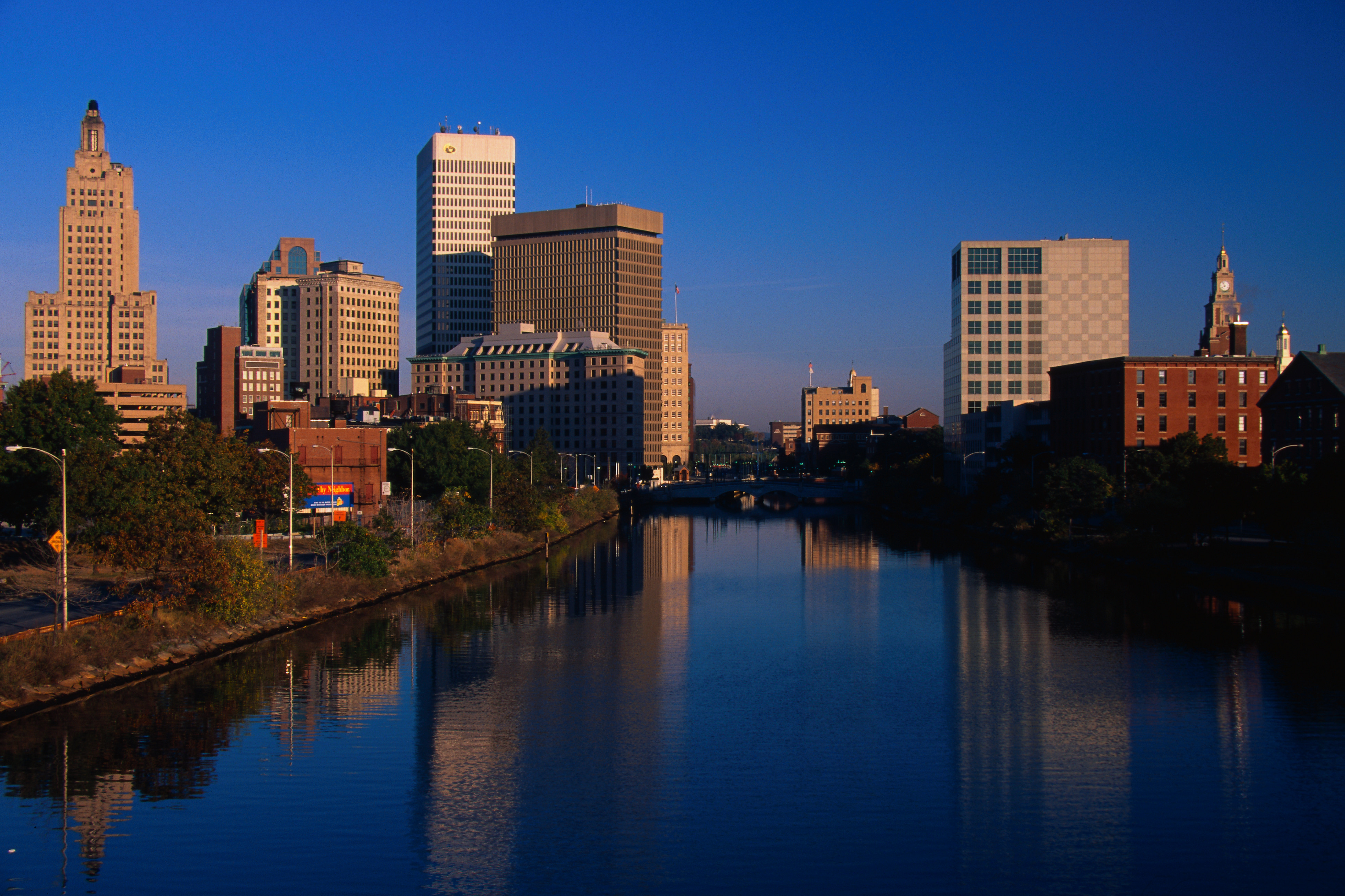
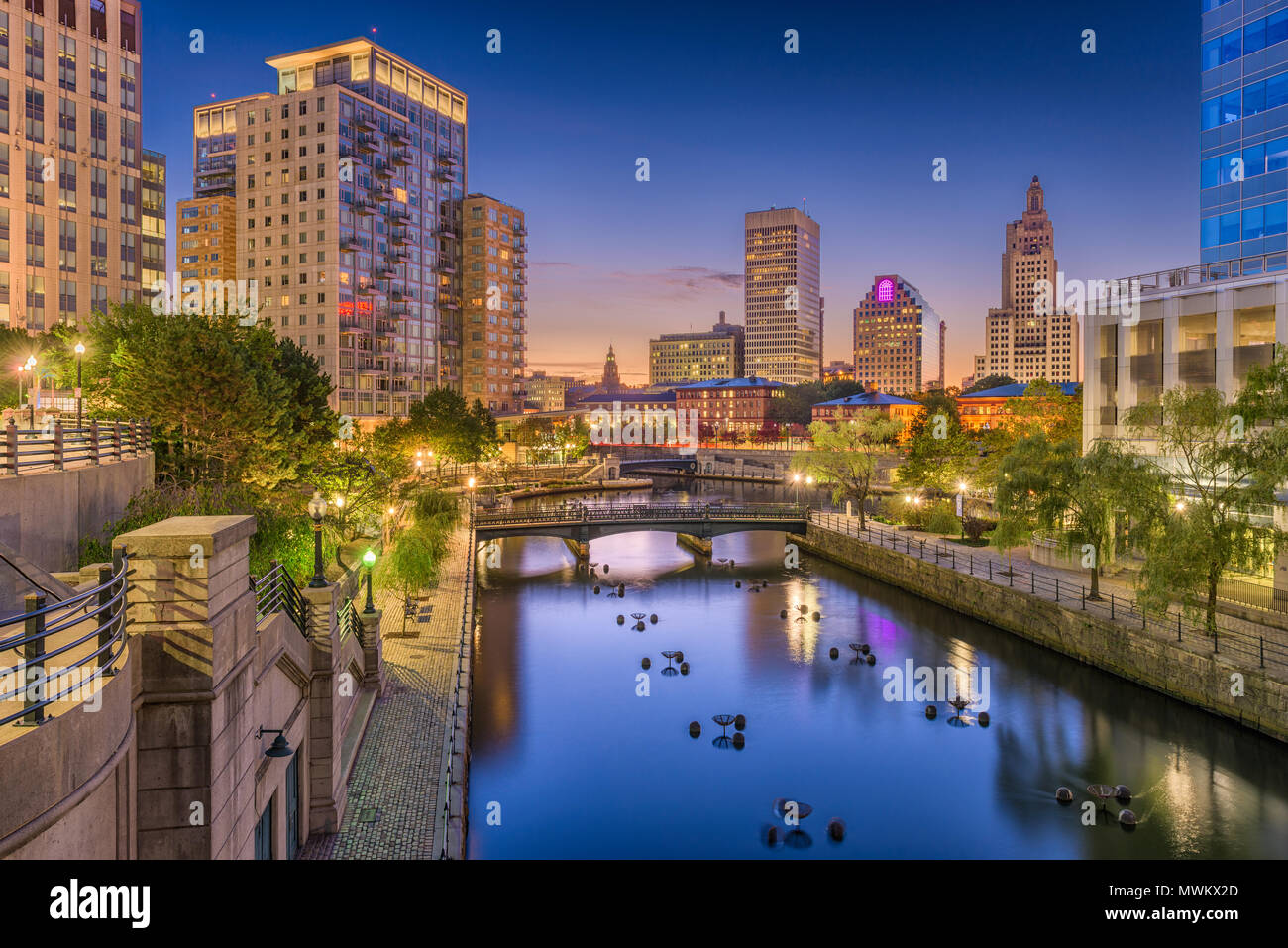
Providence, Rhode Island, a city that sprawls across a geographically small space yet boasts a history as rich and varied as its topography, is a captivating destination. To understand Providence is to understand its map, both literal and figurative. From the winding streets that trace ancient paths to the innovative spirit that permeates its modern landscape, Providence is a city deeply intertwined with its physical location and the stories etched upon it.
A Landscape Shaped by Water: The Physical Map
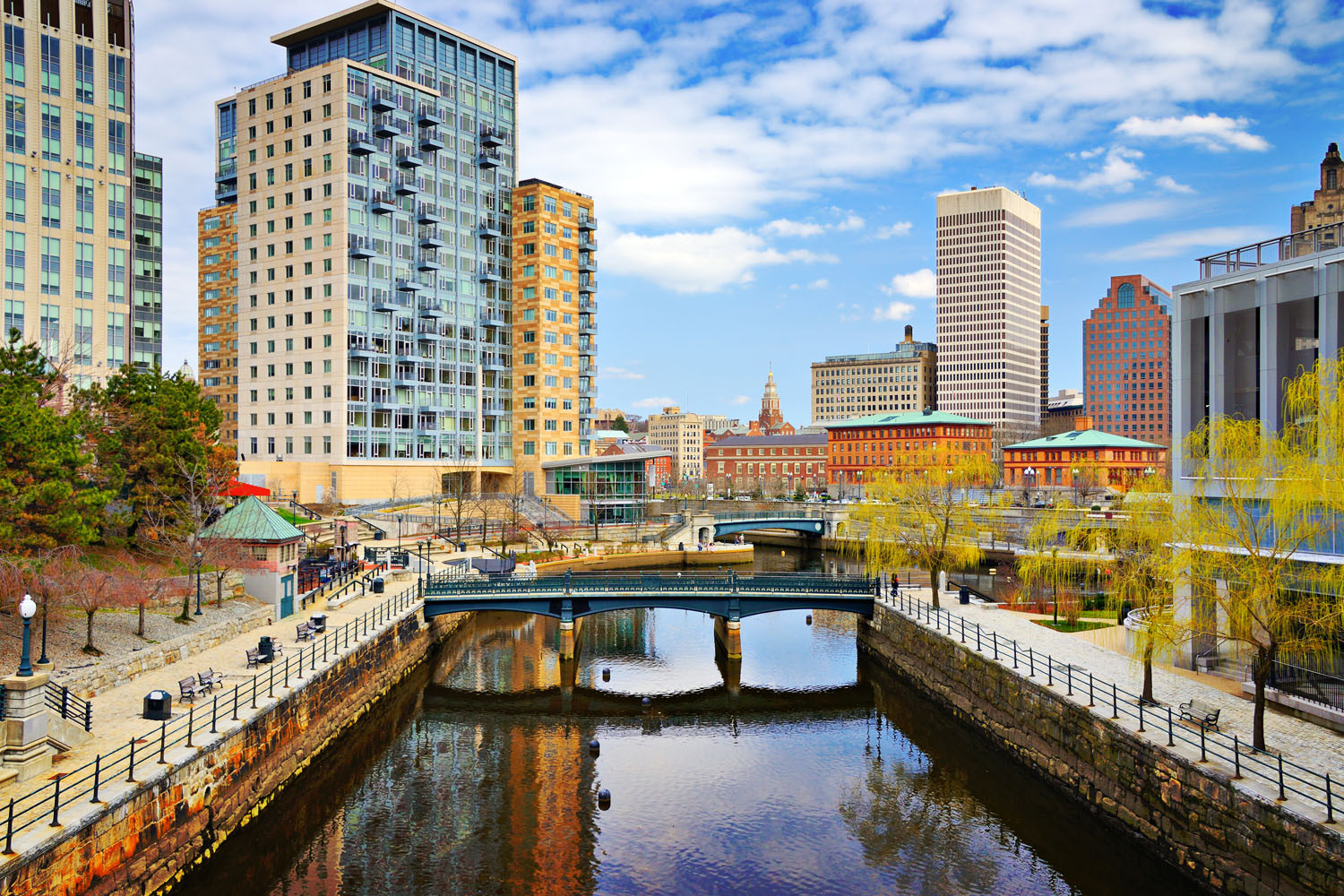
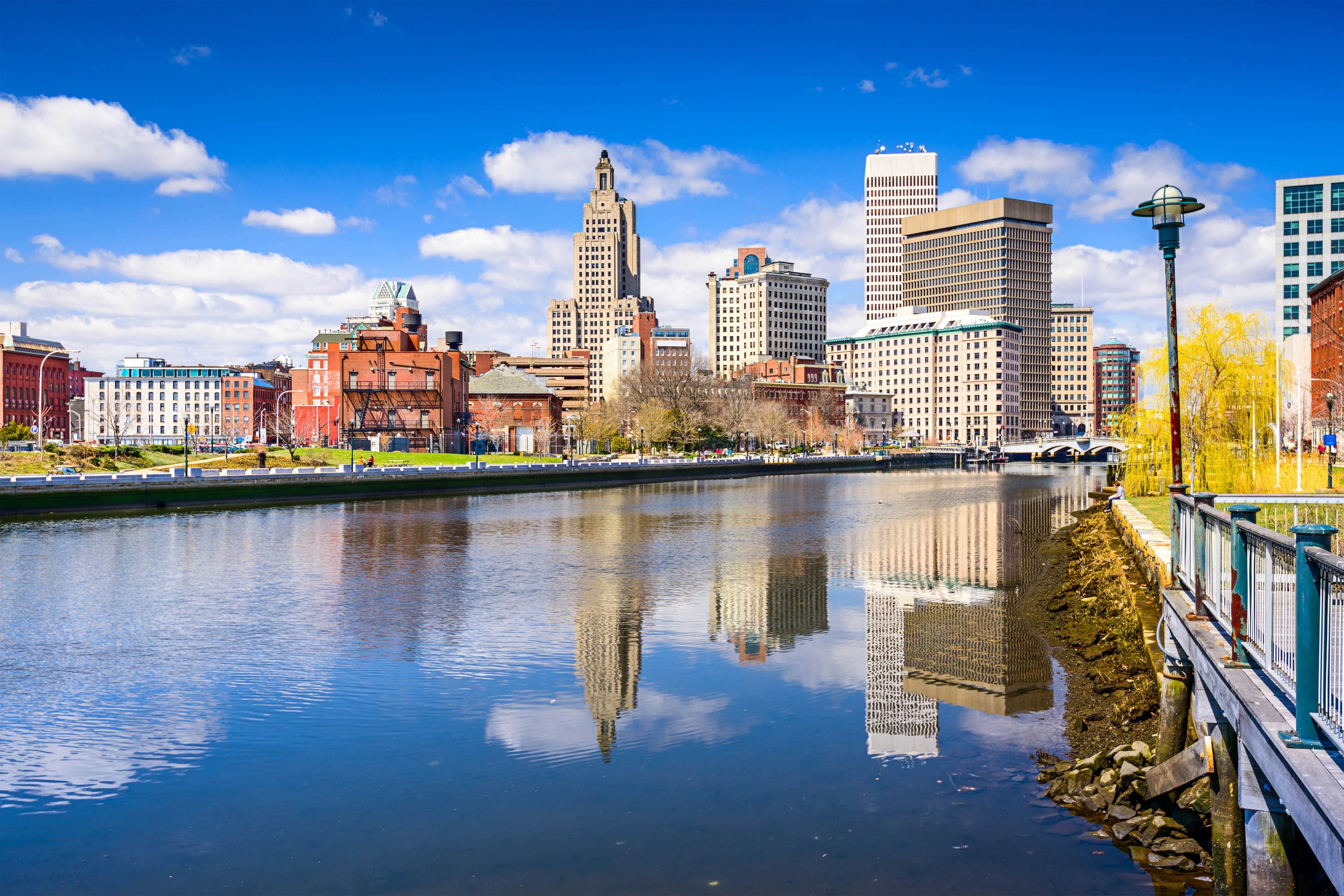
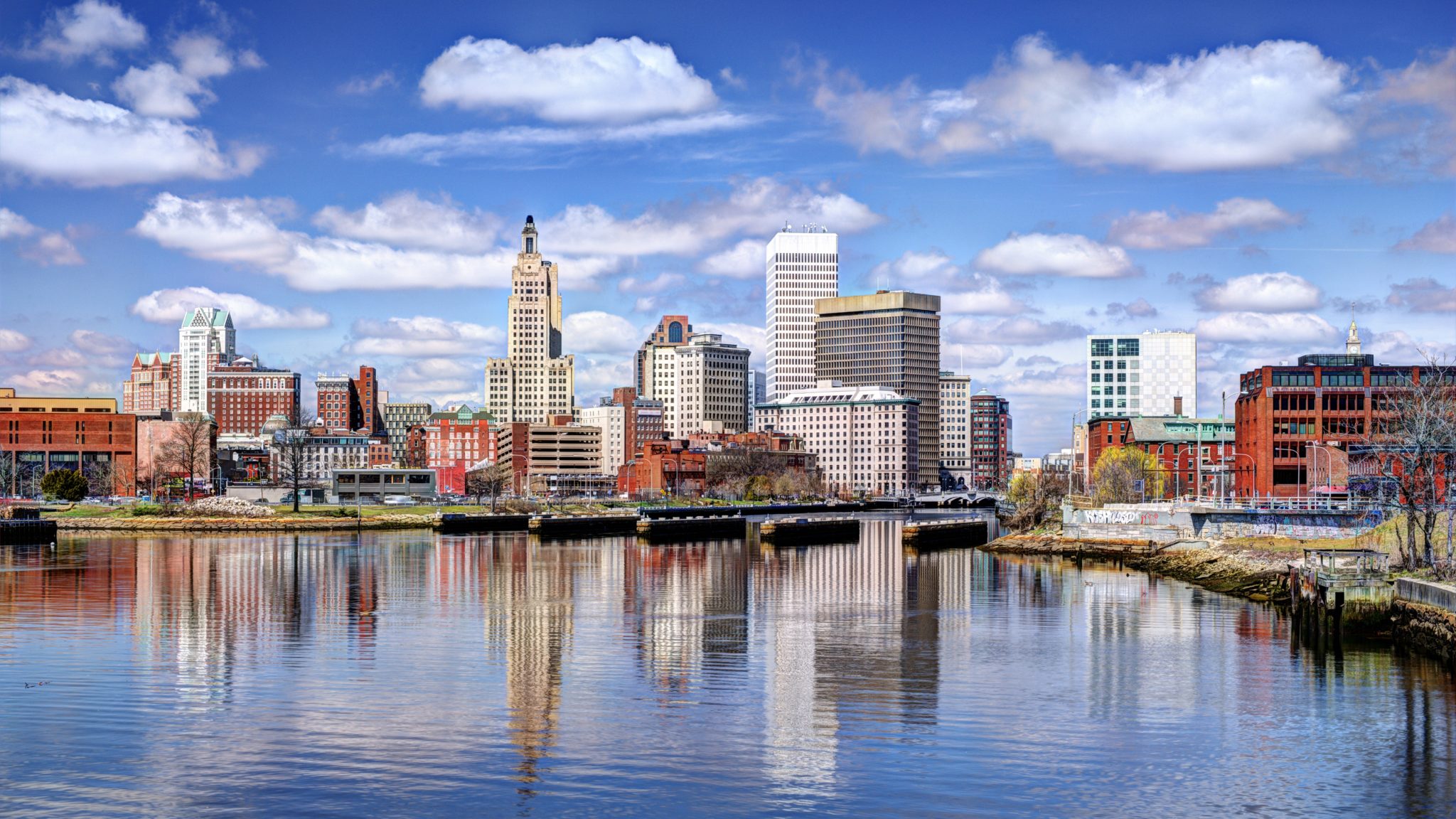
Providence’s identity is irrevocably linked to water. Situated at the head of Narragansett Bay, the city owes its existence to the confluence of three rivers: the Moshassuck, the Woonasquatucket, and the Providence River. These waterways, once vital for trade and industry, have shaped the city’s physical layout and continue to influence its character.
A glance at the map reveals the historic core of Providence clustered around Waterplace Park. This meticulously designed park, a centerpiece of the city’s revitalization efforts, sits where the three rivers converge. The Riverwalk, a paved pathway that snakes along the water’s edge, provides a pedestrian-friendly route for exploring the downtown area. This focus on accessibility and connectivity is a deliberate attempt to weave the rivers back into the fabric of urban life.
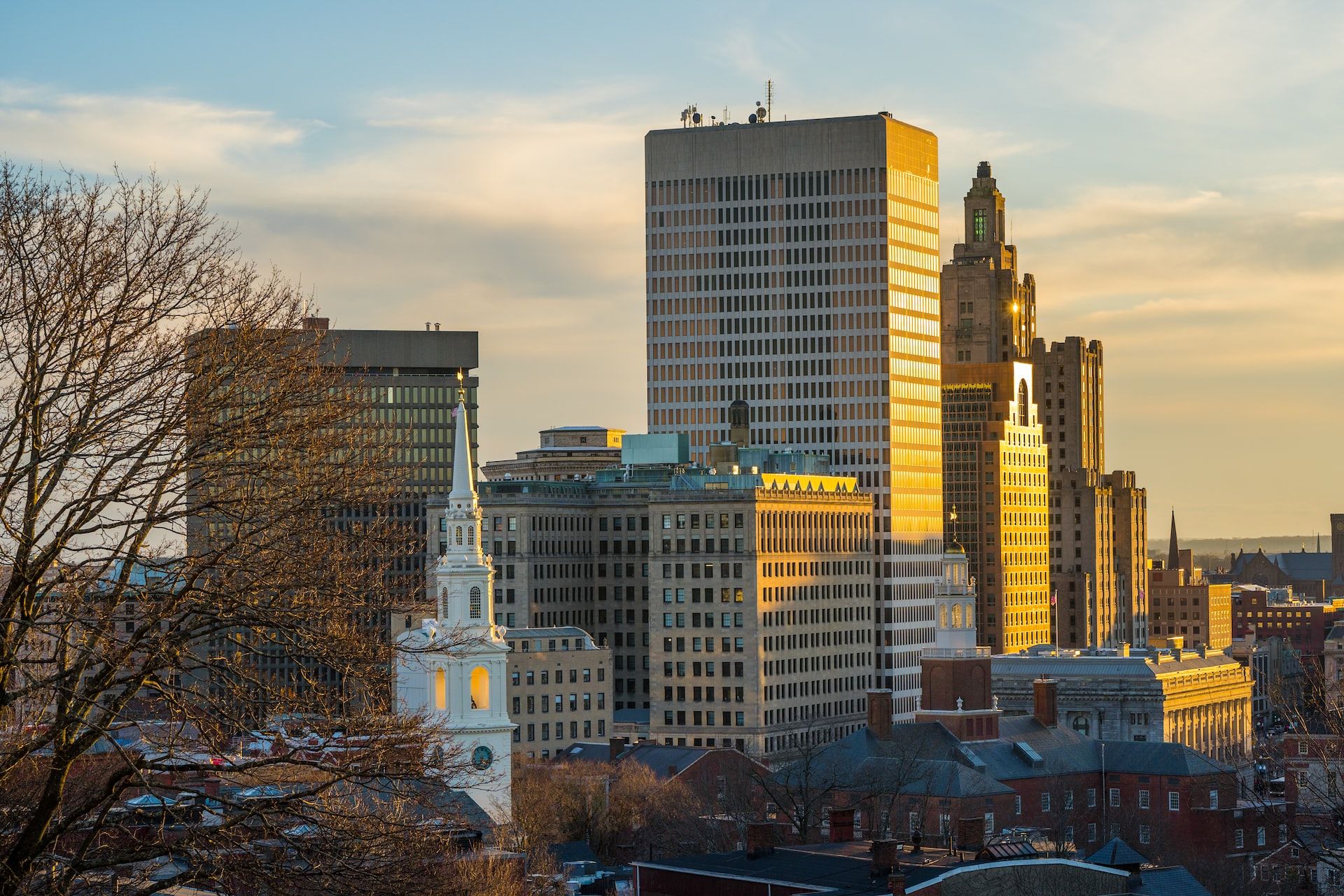
Beyond the downtown core, the map reveals a diverse landscape. College Hill, home to Brown University and the Rhode Island School of Design (RISD), rises sharply above the river, its cobblestone streets and historic architecture lending a sense of academic gravitas. The East Side, encompassing College Hill and its surrounding neighborhoods, is characterized by its Victorian-era homes, leafy streets, and panoramic views of the city skyline.
Across the river lies the West Side, a more eclectic mix of residential and commercial areas. Federal Hill, known for its vibrant Italian-American community and authentic Italian restaurants, stands as a testament to the city’s rich immigrant history. Further west, the Armory District showcases a burgeoning arts scene and a mix of architectural styles, from stately Victorian homes to modern apartment complexes.
The topography of Providence is far from flat. Rolling hills and valleys carve through the city, creating distinct neighborhoods with unique identities. This undulating landscape not only contributes to the city’s aesthetic appeal but also influences its development patterns. The city’s map, therefore, is not merely a representation of streets and buildings, but a reflection of the natural forces that have shaped its evolution.
A Tapestry of History: The Historical Map
The historical map of Providence is layered with stories of settlement, industry, and social change. Founded in 1636 by Roger Williams, a religious exile from the Massachusetts Bay Colony, Providence was conceived as a haven for religious freedom and independent thought. This spirit of tolerance and intellectual curiosity has remained a defining characteristic of the city.
The original settlement, located near present-day Benefit Street on College Hill, gradually expanded along the riverbanks. Early maps reveal a grid-like street pattern emerging, reflecting the pragmatic needs of a growing town. As Providence transitioned from an agricultural community to a bustling port city, wharves and warehouses lined the waterfront, transforming the landscape.
The Industrial Revolution left an indelible mark on the city’s map. Textile mills sprung up along the rivers, powered by the abundant water resources. These mills attracted waves of immigrants, drawn by the promise of work, contributing to the city’s diverse population. Neighborhoods like Olneyville and Valley were transformed into industrial hubs, their landscapes dominated by factories and worker housing.
The 20th century brought its own set of challenges and transformations. The decline of manufacturing led to economic hardship and urban decay. However, Providence also embarked on a series of ambitious urban renewal projects aimed at revitalizing the city. The most notable of these was the "Capital Center Project," which involved relocating the railroad tracks that divided the city and creating Waterplace Park. This project dramatically altered the city’s physical layout and ushered in a new era of urban development.
The historical map of Providence is not just a record of the past, but a key to understanding the present. The city’s diverse neighborhoods, its architectural heritage, and its cultural institutions all bear witness to the forces that have shaped its evolution.
A Cultural Mosaic: The Cultural Map
Providence’s cultural map is as vibrant and diverse as its population. The city is a melting pot of ethnicities, traditions, and artistic expressions. This rich cultural tapestry is reflected in the city’s neighborhoods, its restaurants, its museums, and its performance venues.
Federal Hill, with its Italian restaurants, bakeries, and festivals, is a testament to the enduring influence of Italian-American culture. The neighborhood’s annual Feast of the Assumption is a highlight of the summer calendar, drawing crowds from across the region.
The Fox Point neighborhood, once home to a large Cape Verdean community, still retains a strong connection to its heritage. The Cape Verdean Museum and Cultural Center showcases the history and culture of this island nation, while local restaurants serve up authentic Cape Verdean cuisine.
The artistic energy of Providence is palpable. RISD, one of the nation’s leading art schools, has played a pivotal role in shaping the city’s creative landscape. The school’s students and alumni have contributed to the growth of a thriving arts scene, with galleries, studios, and performance spaces scattered throughout the city.
The Providence Performing Arts Center (PPAC), a grand theater located in the heart of downtown, hosts Broadway shows, concerts, and other performances, drawing audiences from across the region. The Trinity Repertory Company, a nationally recognized theater company, produces innovative and thought-provoking plays.
The cultural map of Providence is constantly evolving. New restaurants, galleries, and performance venues are opening all the time, reflecting the city’s dynamic and creative spirit.
An Engine of Innovation: The Future Map
Looking ahead, the future map of Providence is being shaped by innovation and sustainability. The city is embracing new technologies and developing strategies to address the challenges of climate change and urban development.
The "Innovation District," located in the Jewelry District, is emerging as a hub for technology startups and creative businesses. This area, once dominated by jewelry factories, is being transformed into a vibrant mixed-use neighborhood with a focus on innovation and entrepreneurship.
The city is also committed to sustainable development. Providence has set ambitious goals for reducing greenhouse gas emissions and promoting energy efficiency. The city is investing in renewable energy sources, such as solar power, and implementing policies to encourage sustainable transportation.
The future map of Providence will also be shaped by the city’s efforts to address social and economic inequalities. The city is working to create more affordable housing, improve educational opportunities, and promote economic development in underserved communities.
In conclusion, Providence, Rhode Island, is more than just a dot on a map. It is a city with a rich history, a vibrant culture, and a promising future. Its map, both literal and figurative, tells a story of resilience, innovation, and a deep connection to its physical environment. By understanding the city’s past and embracing the opportunities of the future, Providence is poised to continue its evolution as a dynamic and captivating destination. The map of Providence is not just a guide, but a living document, constantly being rewritten by the people and forces that shape its destiny. It’s a map that invites exploration, discovery, and a deeper appreciation for the complexities and beauty of this unique American city.