For centuries, people have sought answers to their health woes by looking at the face. From ancient Chinese medicine to modern dermatology, the face has been recognized as a mirror reflecting the inner workings of the body. One such method of interpreting facial cues is through the "pimples face map," also known as face mapping or acne face mapping. While not a foolproof diagnostic tool, understanding the principles behind it can provide valuable insights into potential underlying causes of acne and guide you towards a more effective skincare routine and overall well-being.
This article delves into the fascinating world of the pimples face map, exploring the different zones, their associated internal connections, and how this knowledge can empower you to take control of your skin health.
What is the Pimples Face Map?
The pimples face map is a concept that connects specific areas of the face where breakouts occur to corresponding organs or systems within the body. It proposes that acne in a particular zone can be a sign of imbalance or dysfunction in the related internal area. This idea stems from traditional practices like Traditional Chinese Medicine (TCM) and Ayurveda, where the face is seen as a microcosm of the entire body.
While modern dermatology doesn’t universally endorse the face map as a definitive diagnostic tool, it acknowledges that certain lifestyle factors and underlying health conditions can indeed manifest as skin problems in specific areas. Understanding the potential correlations can encourage a holistic approach to skincare, encompassing both topical treatments and internal wellness strategies.
The Key Zones of the Pimples Face Map and Their Associations:
Let’s explore the different zones of the face and the potential underlying issues they might indicate:
1. Forehead:
- Associated with: Digestion, Liver, Gallbladder, Stress
- Possible Causes: Poor diet, processed foods, sugary drinks, excessive alcohol consumption, insufficient water intake, stress, lack of sleep, irregular sleep schedule, allergies.
- Explanation: The forehead is often linked to the digestive system, particularly the liver and gallbladder. When these organs are overburdened with toxins or struggling to process fats, it can manifest as breakouts on the forehead. High levels of stress can also trigger hormonal imbalances and increase sebum production, leading to acne in this area.
- Solutions:
- Dietary Changes: Focus on a balanced diet rich in fruits, vegetables, and whole grains. Limit processed foods, sugary drinks, and excessive alcohol intake. Stay hydrated by drinking plenty of water throughout the day.
- Stress Management: Practice stress-reducing techniques such as meditation, yoga, deep breathing exercises, or spending time in nature.
- Liver Support: Consider incorporating liver-supporting foods like leafy greens, beets, and garlic into your diet. Consult with a healthcare professional about potential liver-detoxifying supplements.
- Sleep Hygiene: Establish a regular sleep schedule and aim for 7-8 hours of quality sleep each night.
2. Between the Eyebrows (Glabella):
- Associated with: Liver, Stomach, Allergies
- Possible Causes: Food allergies or sensitivities, excessive alcohol consumption, indigestion, sluggish liver function.
- Explanation: This area is often associated with the liver and stomach, similar to the forehead. Breakouts between the eyebrows can indicate that the liver is struggling to process toxins or that you might be experiencing digestive issues. Food allergies or sensitivities can also contribute to inflammation and acne in this zone.
- Solutions:
- Identify Allergies: Consider allergy testing to identify potential food triggers. Pay attention to how your skin reacts after consuming specific foods.
- Improve Digestion: Eat slowly, chew your food thoroughly, and avoid overeating. Consider incorporating probiotic-rich foods like yogurt or kefir into your diet to support gut health.
- Limit Alcohol: Reduce or eliminate alcohol consumption to give your liver a break.
- Liver Detox: Support liver function with a healthy diet, adequate hydration, and potentially liver-supporting supplements after consulting with a healthcare professional.
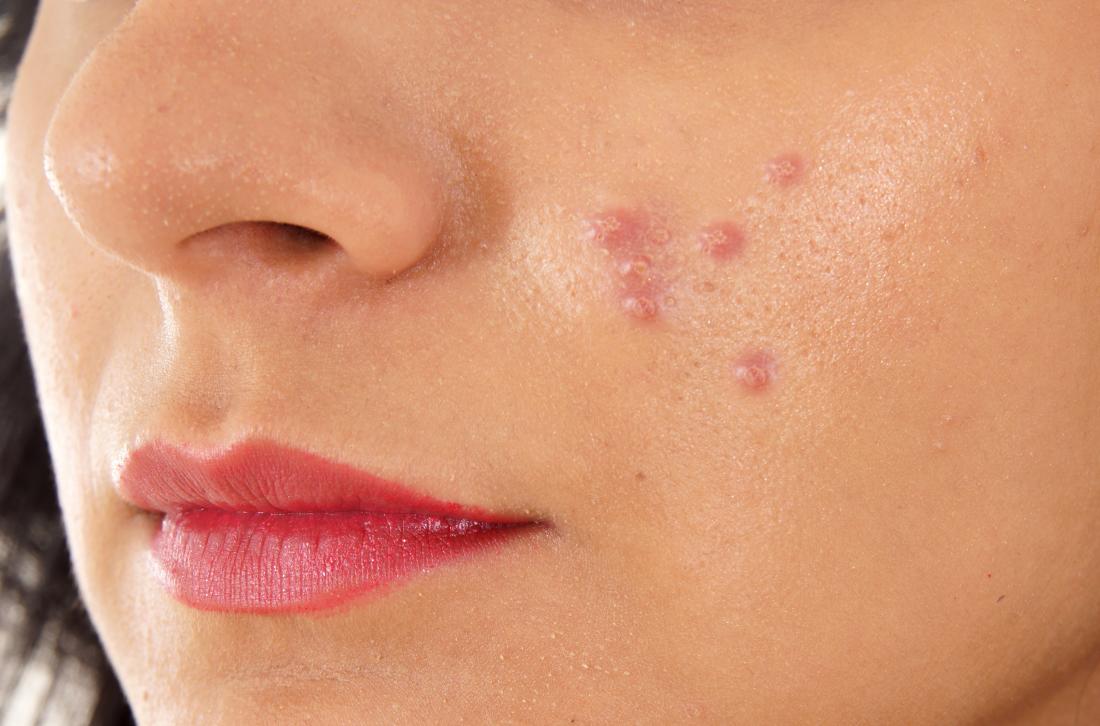
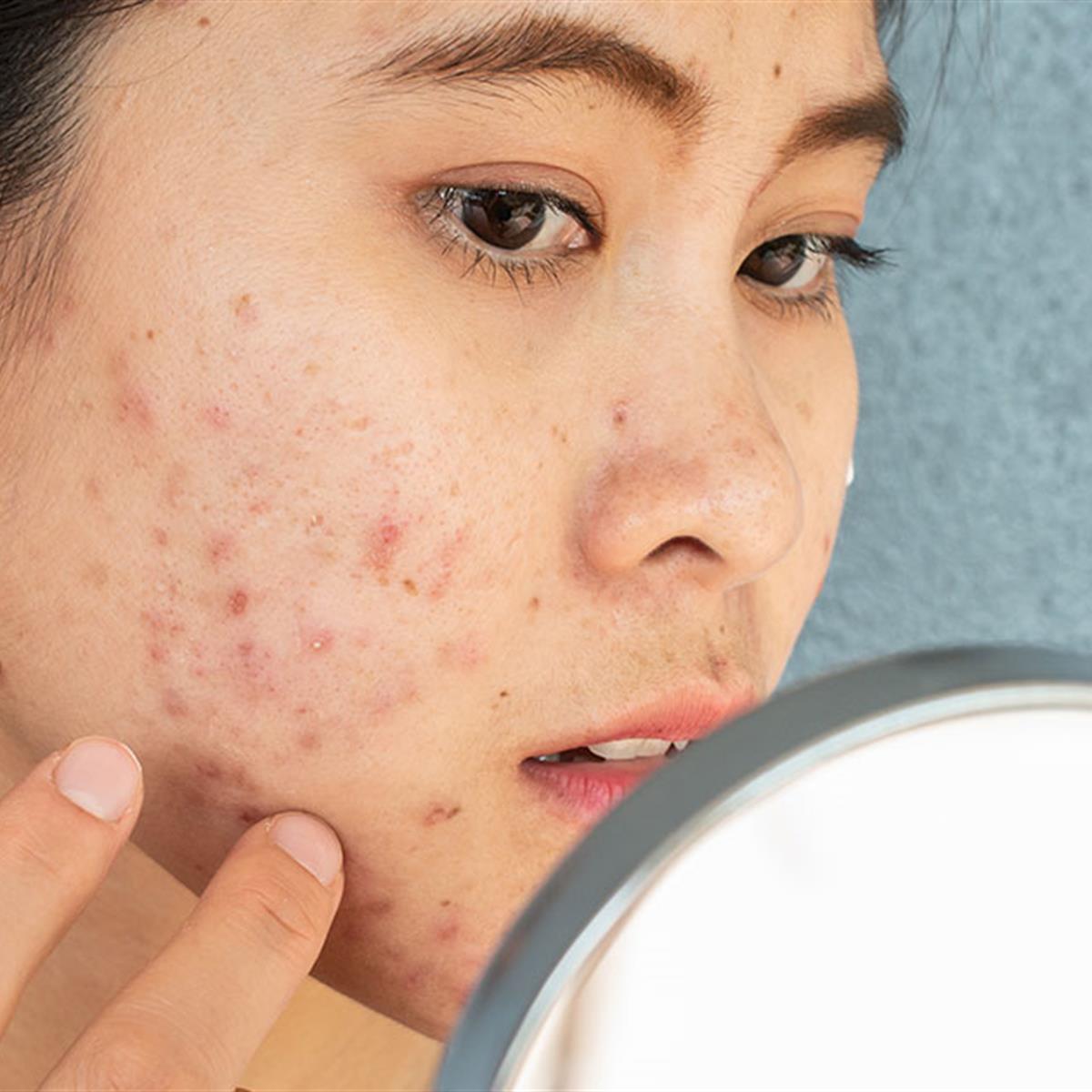
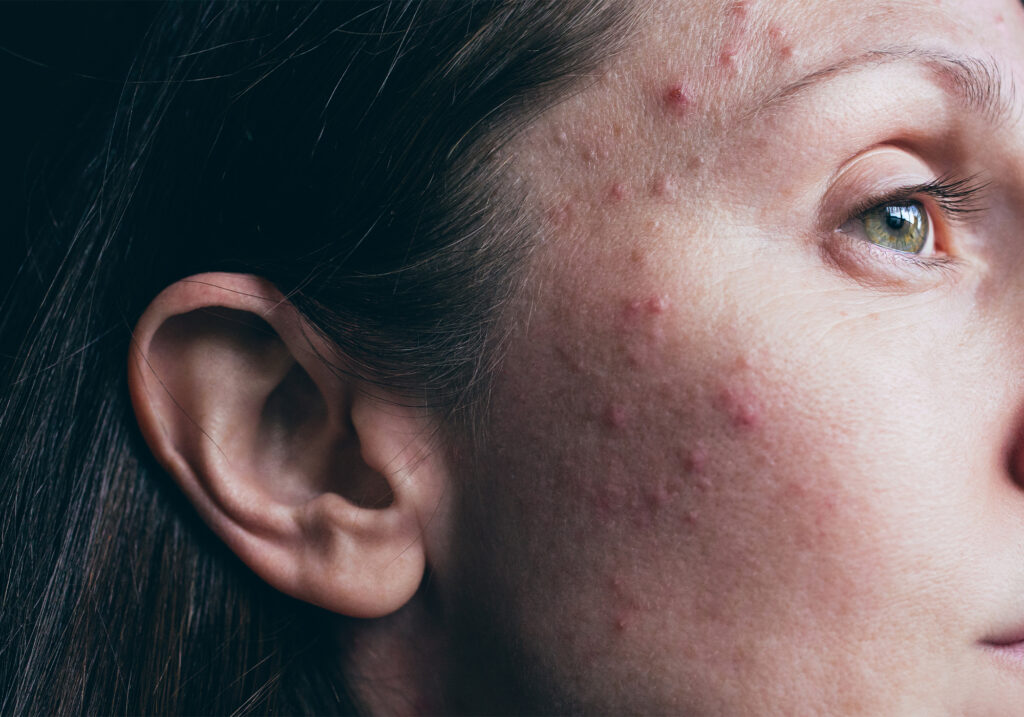
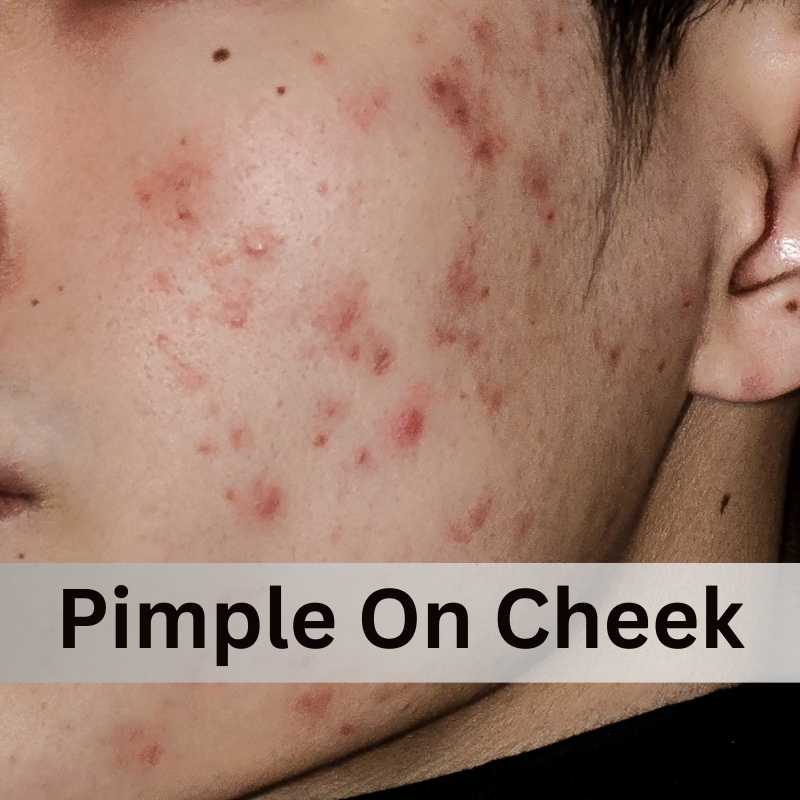
3. Cheeks:
- Associated with: Respiratory System, Lungs, Allergies, Stomach
- Possible Causes: Air pollution, allergies, respiratory infections, smoking, poor dental hygiene, rubbing your face against your phone or pillowcase, makeup brushes.
- Explanation: The cheeks are often linked to the respiratory system. Breakouts on the cheeks can be triggered by exposure to air pollution, allergies, or respiratory infections. Poor dental hygiene can also contribute to bacteria buildup and acne in this area. Furthermore, external factors like rubbing your face against your phone screen or pillowcase can transfer bacteria and oil, leading to breakouts.
- Solutions:
- Air Purification: Use an air purifier in your home or office to reduce exposure to air pollution.
- Allergy Management: Manage allergies with antihistamines or other prescribed medications.
- Respiratory Health: Avoid smoking and minimize exposure to secondhand smoke. Practice good respiratory hygiene, such as washing your hands frequently.
- Dental Hygiene: Maintain good oral hygiene by brushing and flossing regularly. Visit your dentist for regular checkups and cleanings.
- Cleanliness: Clean your phone screen and pillowcase regularly to prevent the transfer of bacteria and oil. Wash your makeup brushes frequently.
4. Nose:
- Associated with: Cardiovascular System, Blood Circulation
- Possible Causes: High blood pressure, stress, poor circulation, processed foods, spicy foods, congestion.
- Explanation: The nose is often associated with the cardiovascular system. Breakouts on the nose can indicate potential issues with blood pressure or circulation. A diet high in processed foods and spicy foods can also contribute to inflammation and acne in this area.
- Solutions:
- Cardiovascular Health: Monitor your blood pressure regularly and consult with a healthcare professional if you have concerns. Engage in regular exercise to improve circulation.
- Dietary Changes: Reduce your intake of processed foods, salty foods, and spicy foods. Focus on a heart-healthy diet rich in fruits, vegetables, and lean protein.
- Stress Management: Practice stress-reducing techniques to help lower blood pressure.
5. Chin:
- Associated with: Hormones, Reproductive System
- Possible Causes: Hormonal imbalances, menstruation, polycystic ovary syndrome (PCOS), stress, birth control pills.
- Explanation: The chin is often linked to hormones and the reproductive system. Breakouts on the chin are common during menstruation or other times of hormonal fluctuation. Conditions like PCOS can also contribute to acne in this area.
- Solutions:
- Hormonal Balance: Consult with a healthcare professional about potential hormonal imbalances. Consider hormone testing to identify any underlying issues.
- Stress Management: Practice stress-reducing techniques to help regulate hormone levels.
- Menstrual Cycle Tracking: Track your menstrual cycle to identify patterns in your acne breakouts.
- Birth Control Consultation: Discuss your birth control options with your doctor, as some types of birth control can worsen acne.
6. Jawline:
- Associated with: Hormones, Kidneys, Colon
- Possible Causes: Hormonal imbalances, dehydration, constipation, poor lymphatic drainage.
- Explanation: The jawline is often linked to hormones, the kidneys, and the colon. Breakouts along the jawline can indicate hormonal imbalances, dehydration, or issues with waste elimination.
- Solutions:
- Hormonal Balance: Consult with a healthcare professional about potential hormonal imbalances.
- Hydration: Drink plenty of water throughout the day to support kidney function and waste elimination.
- Fiber Intake: Increase your fiber intake to promote regular bowel movements.
- Lymphatic Drainage: Consider lymphatic drainage massage to improve circulation and detoxification.
Important Considerations:
- Individual Variation: The pimples face map is a general guideline, and individual experiences may vary. Not everyone will experience breakouts in the same areas or for the same reasons.
- Professional Consultation: The pimples face map should not be used as a substitute for professional medical advice. If you are concerned about your skin health, consult with a dermatologist or healthcare professional for an accurate diagnosis and treatment plan.
- Holistic Approach: The pimples face map highlights the importance of a holistic approach to skincare. Addressing both internal and external factors is crucial for achieving clear and healthy skin.
- Lifestyle Factors: While the face map can provide clues, remember that common factors like poor hygiene, comedogenic skincare products, and general skin sensitivity can also contribute to breakouts.
Moving Forward: A Personalized Approach to Skin Health:
Understanding the pimples face map can be a valuable tool for identifying potential underlying causes of your acne. However, it’s crucial to remember that it’s just one piece of the puzzle. By combining this knowledge with a healthy lifestyle, a consistent skincare routine, and professional guidance when needed, you can take control of your skin health and achieve a clearer, more radiant complexion.
Start by paying attention to where your breakouts occur most frequently. Consider the potential associations with those zones and make adjustments to your diet, lifestyle, and skincare routine accordingly. Track your progress and consult with a dermatologist or healthcare professional if you have concerns or if your acne persists despite your efforts.
Ultimately, the key to achieving clear skin lies in understanding your individual needs and adopting a personalized approach that addresses both internal and external factors. The pimples face map can be a helpful guide on this journey, empowering you to decode your skin and unlock its full potential.