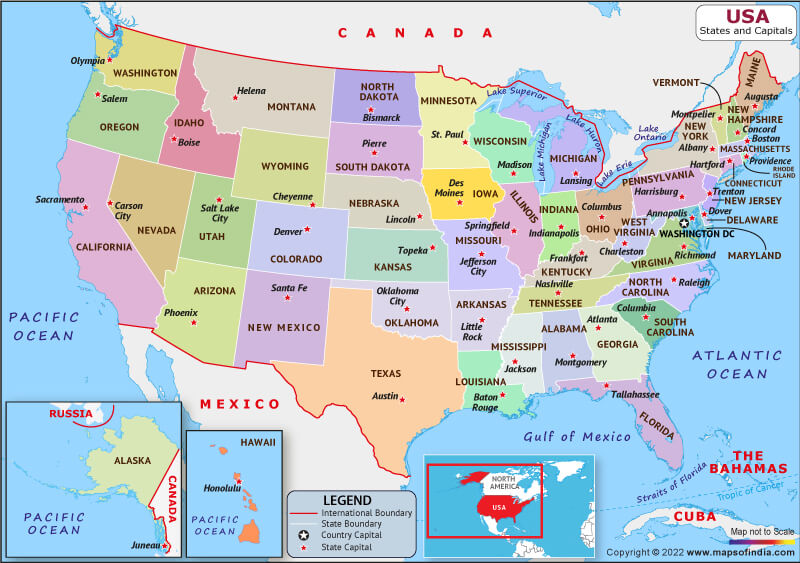
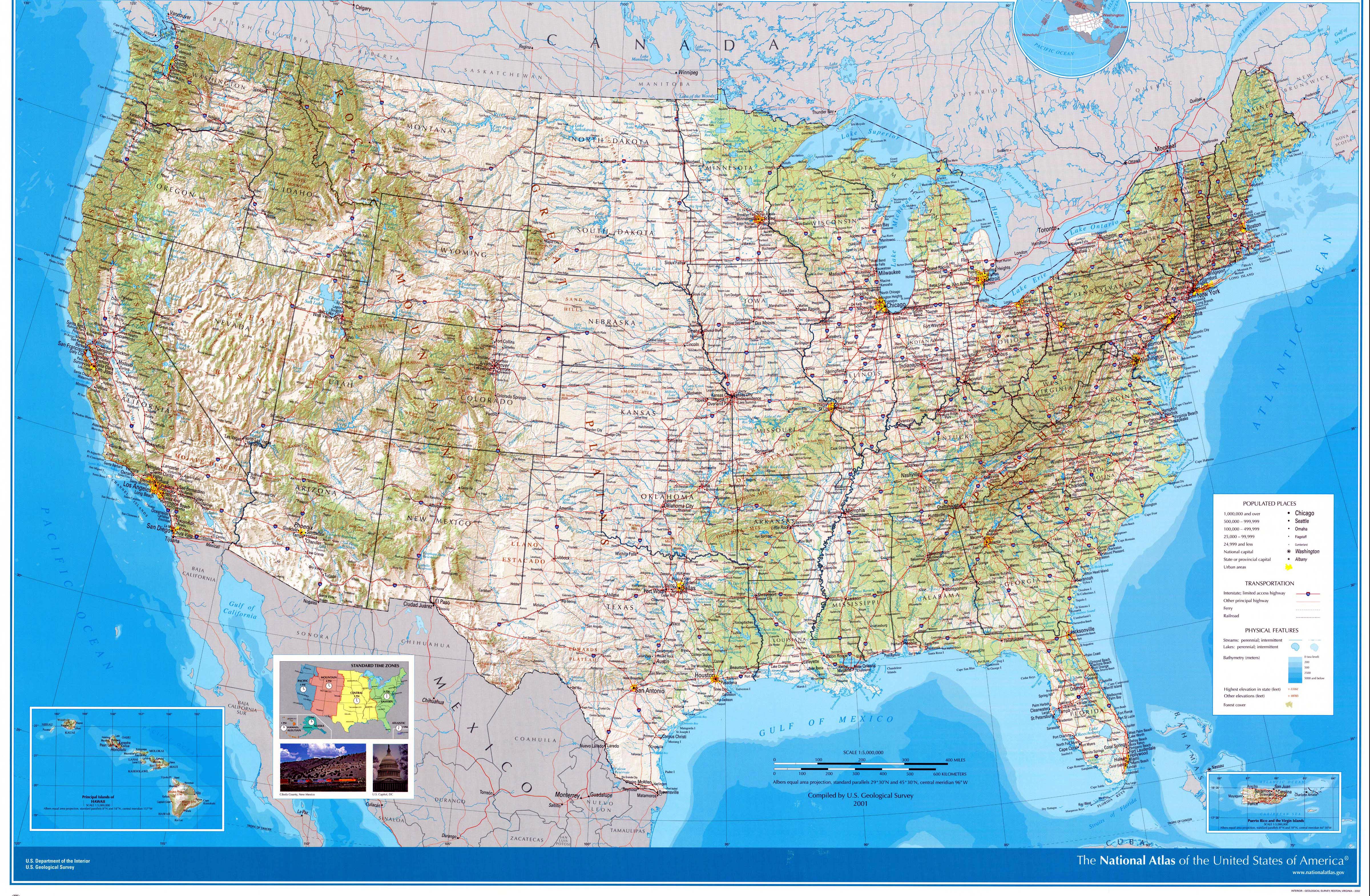
The story of the United States is inextricably linked to the institution of slavery. Understanding this dark chapter requires more than just reading dates and figures; it necessitates visualizing the geographic scope and the profound influence slavery held over the nation’s landscape. A "map of slavery states" serves as a potent tool, offering a visual representation of the entrenched system and its impact on the economic, social, and political fabric of the country. This map, though static, represents a dynamic and evolving reality, one that fueled tensions, shaped identities, and ultimately led to a bloody civil war.
Defining the Boundaries: Slavery and the States
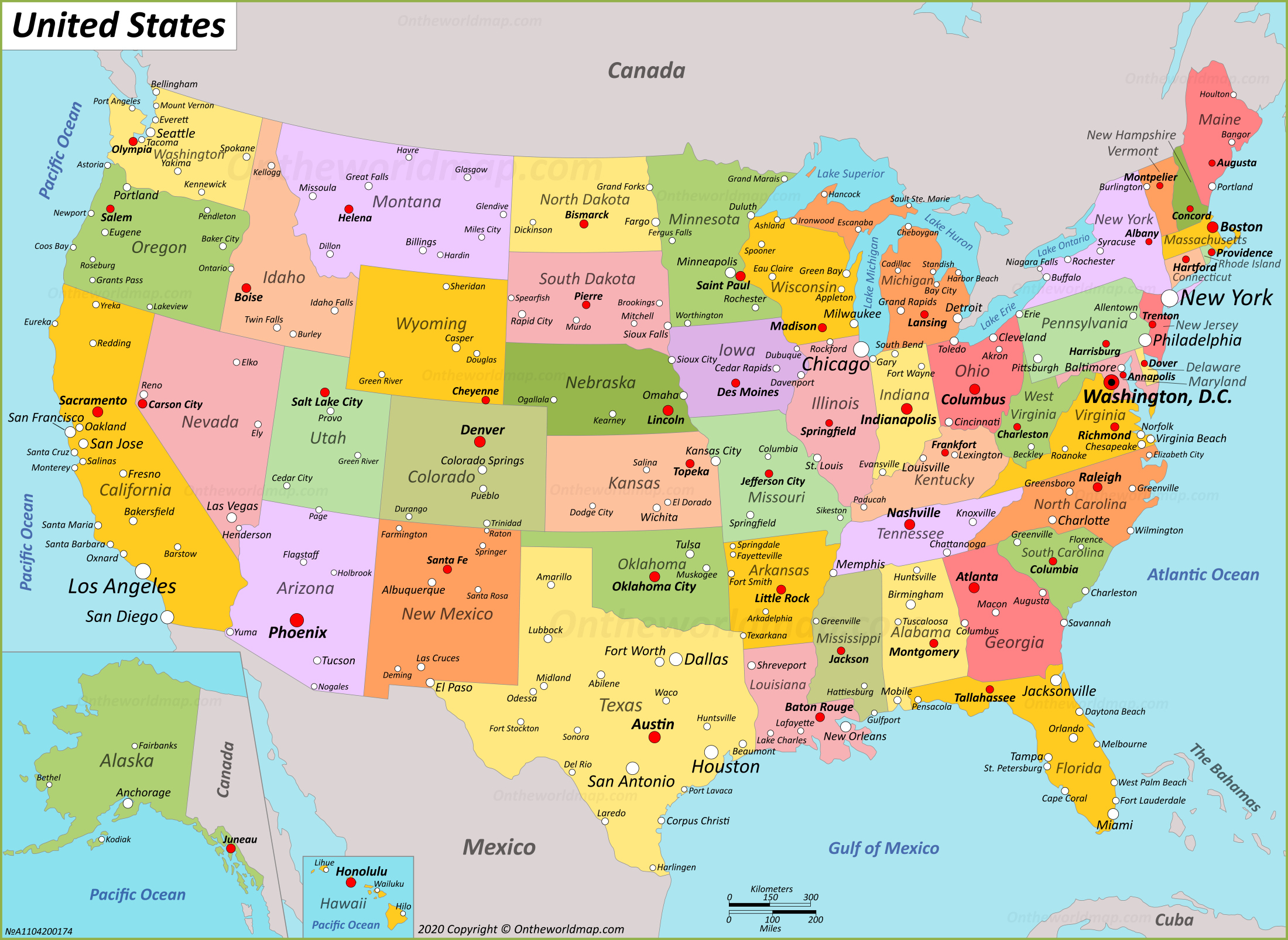
The simplest definition of a "map of slavery states" would depict the states that legally permitted the practice of chattel slavery prior to the Civil War. These states, often referred to as the "slave states" or the "South," included:
- The Deep South: South Carolina, Mississippi, Alabama, Florida, Georgia, Louisiana, and Texas. These states were the heart of the cotton kingdom and relied heavily on enslaved labor for their agricultural economies.
- The Upper South: North Carolina, Tennessee, Arkansas, and Virginia. While slavery was less economically dominant in these states compared to the Deep South, it remained a significant institution.
- The Border States: Delaware, Maryland, Kentucky, and Missouri. These states were geographically and politically ambiguous, retaining slavery while also sharing characteristics with the free states. They were critical battlegrounds in the ideological struggle over slavery.
However, a map based solely on legal definitions only scratches the surface. A comprehensive understanding requires acknowledging the complexities and nuances within each state and across time.
Beyond Legal Boundaries: The Shifting Landscape of Slavery
The "map of slavery states" wasn’t a static entity. The institution’s geographic footprint expanded and contracted over time due to factors such as westward expansion, economic changes, and political compromises.
- The Louisiana Purchase (1803): This massive land acquisition doubled the size of the United States and opened up vast territories for potential expansion of slavery. The question of whether these new territories would be free or slave states became a major point of contention.
- The Missouri Compromise (1820): This agreement admitted Missouri as a slave state and Maine as a free state, maintaining the balance of power in the Senate. It also established a geographical line (36°30′ north latitude) dividing future territories into slave and free areas. However, this compromise was eventually repealed, further exacerbating tensions.
- The Compromise of 1850: This series of laws aimed to address the issue of slavery in newly acquired territories after the Mexican-American War. It admitted California as a free state but allowed for popular sovereignty (the right of residents to decide on the issue of slavery) in Utah and New Mexico. The Fugitive Slave Act, a component of this compromise, further inflamed passions by requiring free states to assist in the return of runaway slaves.
- The Kansas-Nebraska Act (1854): This act repealed the Missouri Compromise and allowed for popular sovereignty in Kansas and Nebraska. This led to violent clashes between pro-slavery and anti-slavery factions in Kansas, known as "Bleeding Kansas."
These events demonstrate how the "map of slavery states" was constantly being redrawn through political maneuvering and violent conflict. The question of slavery was not confined to the legally defined slave states; it permeated the entire nation, shaping its political discourse and ultimately leading to civil war.
Economic Power and the Map of Slavery
The "map of slavery states" is also a map of economic power. The Southern economy, particularly in the Deep South, was heavily reliant on enslaved labor for the production of cash crops like cotton, tobacco, and sugar. This reliance shaped the social and political structures of the South, creating a wealthy planter class that dominated society and fiercely defended the institution of slavery.
- The Cotton Kingdom: The invention of the cotton gin in the late 18th century revolutionized cotton production, making it a highly profitable crop. This led to a dramatic increase in the demand for enslaved labor, transforming the South into the "Cotton Kingdom." The map of slavery states mirrors the geographic distribution of cotton production, with the Deep South at its core.
- The Interstate Slave Trade: The domestic slave trade, which involved the buying and selling of enslaved people within the United States, became a major economic activity. Enslaved people were often transported from the Upper South to the Deep South to work on cotton plantations. This trade created a network of markets, brokers, and transportation routes that further entrenched slavery within the Southern economy.
The economic dependence on slavery created a powerful incentive for the South to resist any attempts to abolish or restrict the institution. This economic disparity between the free and slave states was a major contributing factor to the growing sectionalism that ultimately led to the Civil War.
Social and Cultural Implications: The Map as a Reflection of Ideology
Beyond economics, the "map of slavery states" reflects the deep-seated social and cultural beliefs that justified and perpetuated the institution of slavery. A complex system of racial hierarchy and white supremacy was developed to maintain control over enslaved people and to legitimize the exploitation of their labor.
- Paternalism: Slaveholders often presented themselves as benevolent masters who were responsible for the well-being of their enslaved people. This paternalistic ideology served to mask the brutality and dehumanization inherent in the institution of slavery.
- Fear of Slave Revolts: The history of slave revolts, such as Nat Turner’s Rebellion in 1831, instilled a deep-seated fear in white Southerners. This fear led to the enactment of strict laws and regulations to control the movement and behavior of enslaved people.
- The "Positive Good" Argument: In the decades leading up to the Civil War, some Southern intellectuals began to argue that slavery was not just a necessary evil but a "positive good." They claimed that slavery benefited both the enslaved people (by providing them with food, shelter, and religious instruction) and the white society (by ensuring social order and economic prosperity).
These ideologies, while morally reprehensible, were deeply ingrained in the culture of the slave states and played a significant role in shaping the social and political landscape. The "map of slavery states" is therefore not just a representation of economic interests; it is also a reflection of the racist ideologies that underpinned the institution of slavery.
The Civil War and the End of the Map
The culmination of decades of tension and conflict over slavery resulted in the Civil War (1861-1865). The "map of slavery states" became a map of the Confederacy, as these states seceded from the Union in an attempt to preserve their way of life. The Union victory in the Civil War brought about the abolition of slavery through the 13th Amendment to the Constitution, effectively erasing the legal basis for the "map of slavery states."
Remembering the Past, Informing the Future
While the legal institution of slavery is no longer present, its legacy continues to shape the United States today. The "map of slavery states" serves as a powerful reminder of the injustices of the past and the ongoing struggle for racial equality. Understanding the geographic scope and impact of slavery is crucial for addressing the systemic inequalities that persist in American society.
By studying the "map of slavery states," we can gain a deeper understanding of:
- The roots of racial inequality: Many of the economic, social, and political disparities that exist between white and Black Americans today can be traced back to the legacy of slavery.
- The importance of historical context: Understanding the historical context of slavery is essential for interpreting contemporary issues such as racial profiling, police brutality, and mass incarceration.
- The ongoing need for racial reconciliation: The process of racial reconciliation requires acknowledging the injustices of the past and working towards a more just and equitable future.
The "map of slavery states" is more than just a historical artifact; it is a tool for understanding the complexities of the American past and the challenges of the present. By confronting the history of slavery, we can work towards building a more just and equitable society for all. The map serves as a constant reminder that the fight for equality is far from over and that we must continue to strive for a future where the injustices of the past are never repeated. The lines on that map, though now erased in law, are etched deeply into the fabric of American society, demanding continued reflection and action.