Maps, in their myriad forms, are powerful tools. They orient us in space, guide our travels, and even shape our understanding of the world. While large-scale maps, brimming with detail, are essential for navigation and intricate analysis, it’s the small-scale map, often overlooked, that holds a unique and valuable position in the cartographic landscape. This article will delve into the characteristics, advantages, limitations, and diverse applications of small-scale maps, highlighting their enduring significance in a world increasingly reliant on digital and highly detailed cartography.
Defining Small-Scale: A Matter of Perspective
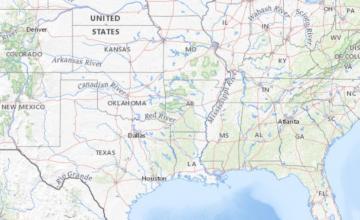
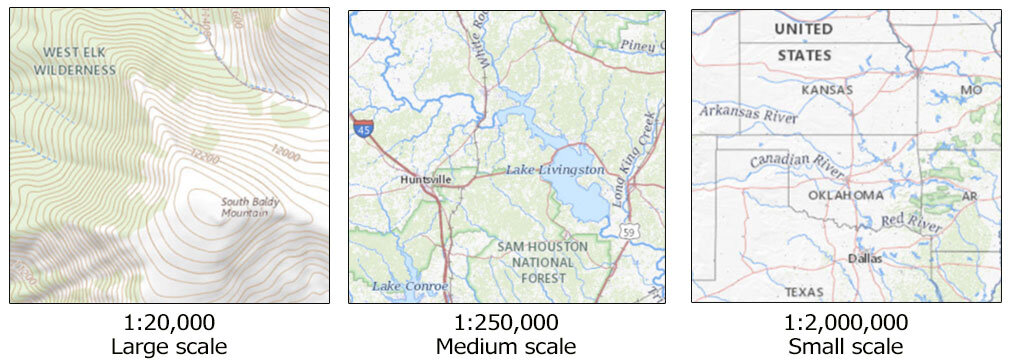
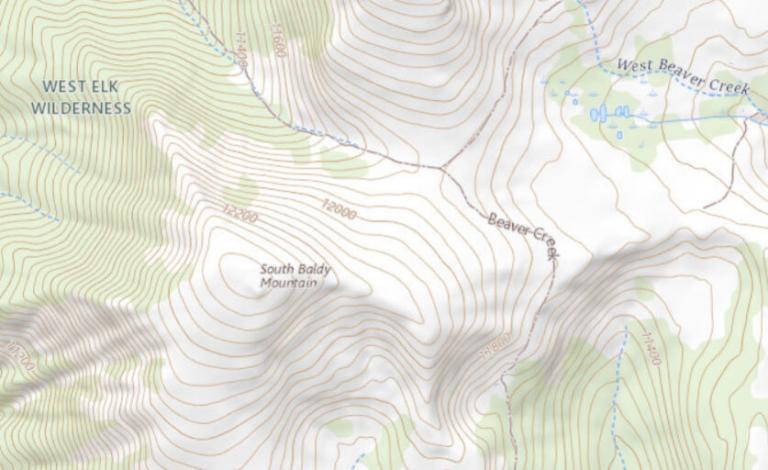
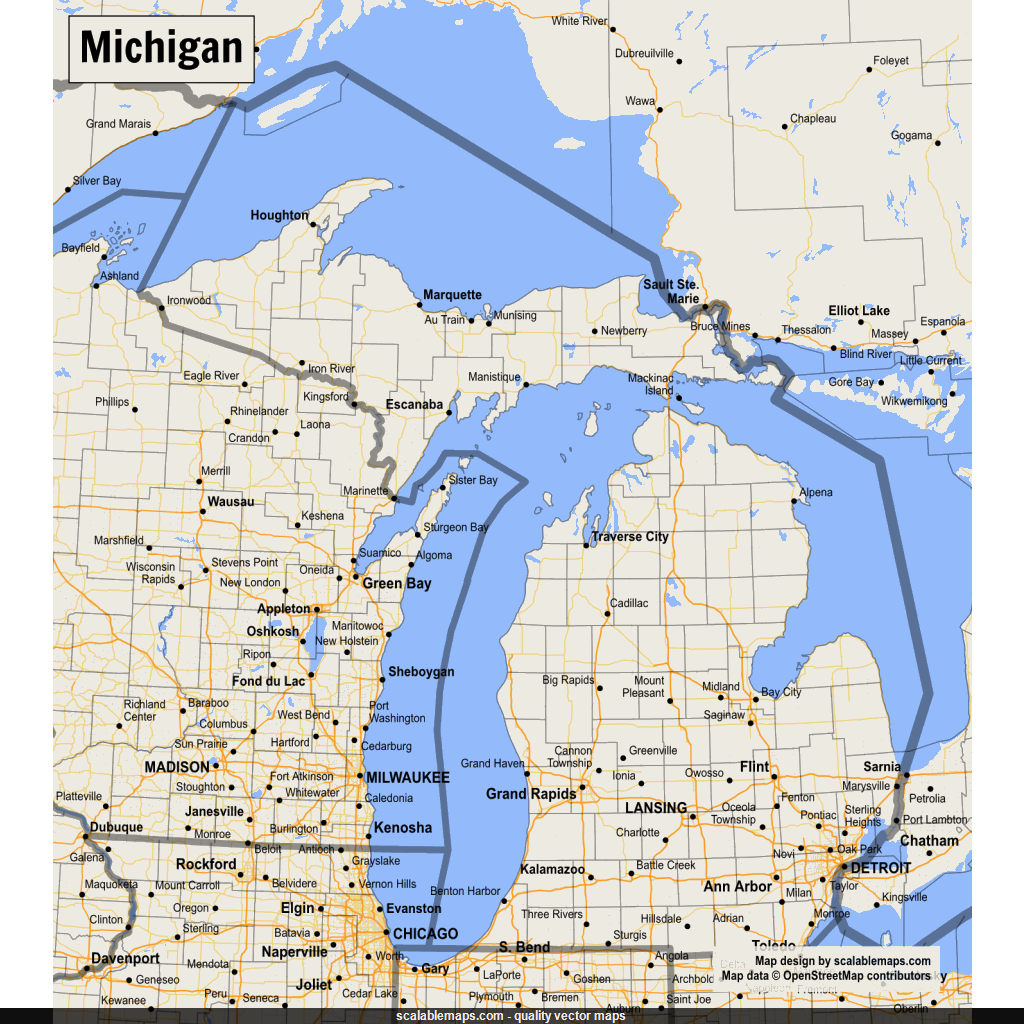
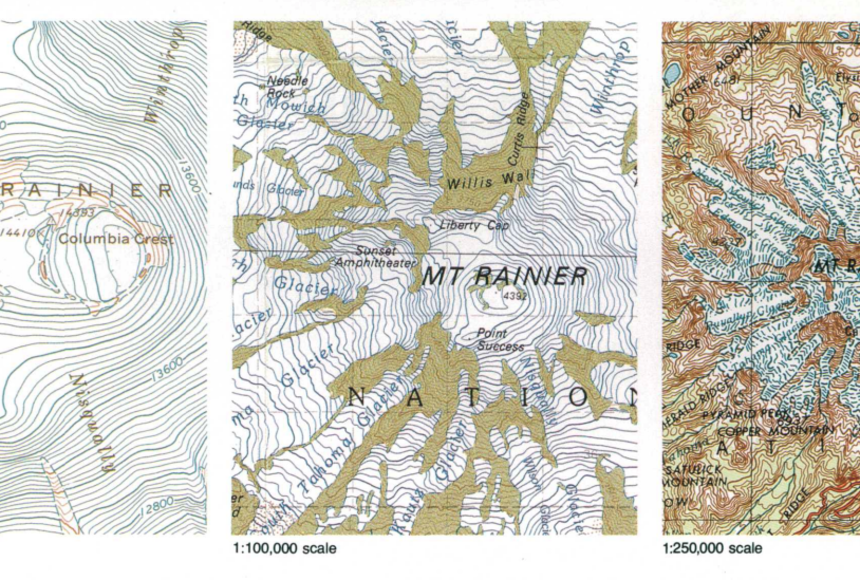
The term "small-scale map" refers to maps where the ratio between distance on the map and the corresponding distance on the ground is relatively small. This means that a small distance on the map represents a large distance in the real world. Consequently, small-scale maps depict large areas, such as continents, countries, or even the entire globe, but with less detail than their larger-scale counterparts.
While there’s no universally agreed-upon numerical threshold, maps with scales smaller than 1:1,000,000 are generally considered small-scale. In simpler terms, 1 centimeter on a map with a scale of 1:1,000,000 represents 10 kilometers on the ground. This inherent reduction allows cartographers to present a broad overview of a region, highlighting key features and spatial relationships across vast distances.
Key Characteristics and Distinguishing Features:
Small-scale maps possess several distinct characteristics that set them apart from large-scale maps:
- Large Area Coverage: This is perhaps the defining feature. They excel at portraying extensive regions, making them ideal for showing global patterns, continental trends, or national distributions.
- Generalized Detail: Due to the limited space, small-scale maps prioritize essential information. Complex features are simplified, aggregated, or even omitted to maintain clarity and readability. Coastlines are often smoothed, minor roads are excluded, and small settlements may be represented by a single point.
- Symbolization and Abstraction: Cartographers rely heavily on symbols, colors, and other visual cues to represent features on the map. This abstract representation allows for the inclusion of diverse information without overwhelming the viewer. For instance, population density might be represented by shades of color, or economic activity by different symbols.
- Projections and Distortion: Mapping the curved surface of the Earth onto a flat plane inevitably introduces distortion. Small-scale maps are particularly susceptible to these distortions, affecting area, shape, distance, and direction. The choice of projection becomes crucial, depending on the specific purpose of the map. Common projections used for small-scale maps include the Mercator, Robinson, and Winkel Tripel projections, each with its own strengths and weaknesses in terms of preserving different spatial properties.
- Thematic Focus: Small-scale maps are often used to depict specific themes or distributions across a region. These thematic maps can showcase a wide range of information, such as climate zones, population density, resource distribution, political boundaries, or even the spread of diseases.
Advantages of Small-Scale Maps:
Despite their inherent limitations in detail, small-scale maps offer several distinct advantages:
- Comprehensive Overview: Their ability to present a broad perspective makes them invaluable for understanding global patterns and regional trends. They allow users to grasp the bigger picture and identify spatial relationships that might be obscured on more detailed maps.
- Effective Communication: Small-scale maps are excellent tools for communicating complex information in a concise and accessible manner. The use of symbols and colors allows for the clear and efficient presentation of data, making them ideal for educational purposes, policy briefings, and public awareness campaigns.
- Comparative Analysis: By showing multiple regions on a single map, small-scale maps facilitate comparative analysis. This allows users to identify similarities and differences between different areas, highlighting spatial variations and potential correlations.
- Planning and Policy Making: Small-scale maps are crucial for regional and national planning. They provide a framework for understanding the spatial distribution of resources, populations, and infrastructure, enabling informed decision-making in areas such as transportation, environmental management, and economic development.
- Accessibility and Portability: Smaller in size, these maps are easily portable and accessible, making them convenient for reference and travel, especially in situations where detailed navigation is not required.
Limitations and Considerations:
While offering significant advantages, small-scale maps also have inherent limitations that must be considered:
- Lack of Detail: The generalization inherent in small-scale maps means that they lack the detailed information necessary for precise navigation or local analysis. They are not suitable for tasks that require pinpoint accuracy or the identification of specific landmarks.
- Potential for Misinterpretation: The simplification and abstraction of features can lead to misinterpretations if users are not aware of the map’s limitations. The omission of certain details can create a biased or incomplete picture of the region.
- Distortion Issues: As mentioned earlier, all flat maps distort the Earth’s curved surface to some degree. The distortions inherent in small-scale maps can affect the accuracy of measurements and the perception of spatial relationships.
- Data Generalization Bias: The process of generalizing data for small-scale maps can introduce bias, potentially obscuring important local variations or exaggerating certain features.
Applications Across Diverse Fields:
Small-scale maps find applications in a wide range of fields, including:
- Geography and Education: They are essential tools for teaching geographical concepts, illustrating global patterns, and fostering spatial awareness. Wall maps, atlases, and textbooks frequently rely on small-scale maps to provide an overview of different regions.
- Political Science and International Relations: Small-scale maps are used to depict political boundaries, geopolitical regions, and the distribution of power. They are valuable for analyzing international conflicts, understanding global alliances, and tracking political trends.
- Environmental Science: These maps are used to visualize environmental data, such as climate zones, vegetation cover, and pollution levels. They are essential for monitoring environmental change, assessing the impact of human activities, and developing conservation strategies.
- Economics and Business: Small-scale maps can depict economic indicators, trade routes, and the distribution of industries. They are used to analyze global markets, identify investment opportunities, and understand economic trends.
- Public Health: They are used to track the spread of diseases, identify risk factors, and plan public health interventions. They are valuable for understanding the spatial distribution of health outcomes and addressing health disparities.
- Travel and Tourism: Tourist maps and route planners often utilize small-scale maps to provide an overview of destinations and routes. They are helpful for planning trips, navigating unfamiliar areas, and identifying points of interest.
The Future of Small-Scale Mapping:
Despite the rise of digital mapping and the availability of highly detailed geospatial data, small-scale maps remain relevant and valuable. Technological advancements are enhancing their capabilities, allowing for dynamic and interactive visualizations. Online platforms and GIS software enable users to create customized small-scale maps with a wide range of data layers and analytical tools. Furthermore, the integration of small-scale maps with other forms of data, such as satellite imagery and statistical databases, is creating new opportunities for research and analysis.
In conclusion, while often perceived as less sophisticated than their larger-scale counterparts, small-scale maps play a crucial role in understanding our world. Their ability to provide a broad overview, communicate complex information, and facilitate comparative analysis makes them invaluable tools for education, planning, policy making, and a wide range of other applications. As technology continues to evolve, the future of small-scale mapping promises even greater accessibility, interactivity, and analytical power, ensuring their continued relevance in the ever-changing landscape of cartography. The allure of the small, in this case, lies in its ability to reveal the grand patterns and connections that shape our world.