The concept of a desert is often associated with relentless heat and endless sand, but Africa’s deserts are far more varied. They range from hyper-arid regions receiving minimal rainfall to semi-arid zones that experience seasonal droughts. This guide aims to provide a detailed overview, effectively mapping out these significant geographical features.
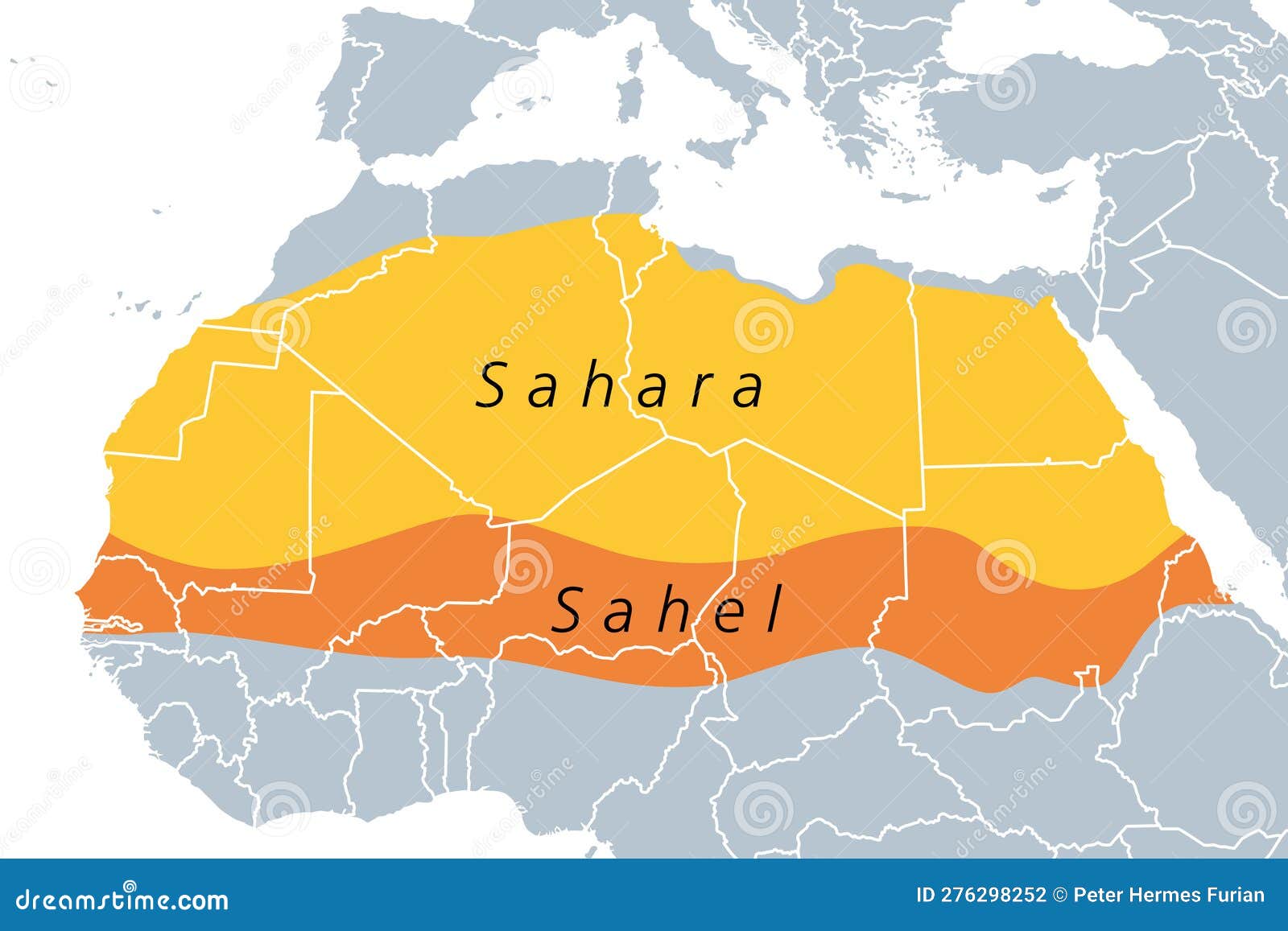
When we visualize Africa’s deserts, the Sahara Desert immediately comes to mind. It is, by far, the largest hot desert in the world, covering a vast swathe of North Africa. Its sheer scale is staggering, stretching from the Atlantic Ocean in the west to the Red Sea in the east, and from the Mediterranean coast southwards into the Sahel region.
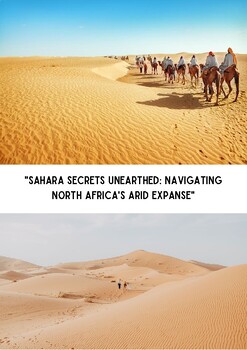
The Sahara is not a monolithic entity. It comprises diverse sub-regions, each with its own character. These include the iconic ergs (sand seas) with towering dunes, the regs (stony plains), the hammadas (rocky plateaus), and the ancient dry riverbeds known as wadis. The iconic imagery of camel caravans traversing vast sand dunes is largely derived from the ergs of the Sahara.
Moving southwards, the Sahara gradually transitions into the Sahel. While not a true desert, the Sahel is a semi-arid transitional zone characterized by sparse vegetation, grasslands, and savannas. It experiences a short, unpredictable rainy season and is highly vulnerable to desertification, making it a critical area for environmental monitoring and conservation efforts.
Further south and east, the Kalahari Desert occupies a significant portion of Southern Africa. Unlike the Sahara, the Kalahari is often described as a ‘semi-desert.’ It receives more rainfall than a typical desert, supporting a surprising amount of life, including acacia trees and various grasses. Its landscape is dominated by red sand dunes, but large areas are also covered by dry savanna and salt pans.
The Kalahari’s unique ecosystem supports a range of wildlife, including the Kalahari lion, meerkats, and various antelope species. The San people, one of Africa’s oldest indigenous groups, have inhabited the Kalahari for thousands of years, developing a deep understanding of its challenging environment.
Another significant arid region is the Namib Desert, located along the Atlantic coast of Namibia, Angola, and South Africa. The Namib is renowned for its dramatic coastal fog, which provides a crucial source of moisture for its unique plant and animal life. It is considered one of the oldest deserts in the world, with some of its landscapes dating back millions of years.
The towering sand dunes of the Namib, particularly in areas like Sossusvlei, are among the highest in the world. These dunes, sculpted by wind and time, create breathtaking vistas. The desert’s extreme aridity and high evaporation rates make it a challenging environment, yet it harbors species found nowhere else on Earth, such as the Welwitschia mirabilis.
The Karoo is another semi-arid region in South Africa, characterized by its unique succulent flora. It is divided into the Great Karoo and the Little Karoo. While not as vast as the Sahara or Kalahari, the Karoo possesses a distinctive landscape of hills, plains, and dry riverbeds, and is home to a rich diversity of plant species, many of which are endemic.
Beyond these major regions, Africa features numerous smaller arid and hyper-arid zones. The Danakil Depression in the Horn of Africa (Ethiopia, Eritrea, Djibouti) is one of the hottest, driest, and lowest places on Earth. It is famous for its otherworldly landscapes of colorful hot springs, salt flats, and active volcanoes, creating a visually stunning and geologically significant area.
The Danakil Depression is characterized by extreme heat, minimal rainfall, and a unique geological setting where tectonic plates are pulling apart. Despite its harshness, it is a vital source of salt, which has been traded across the region for centuries, and supports hardy microbial life in its hypersaline springs.
Understanding the ‘map of deserts in Africa’ also involves recognizing the factors that contribute to their formation. These include subtropical high-pressure belts, which cause descending dry air masses, and the influence of cold ocean currents along the western coastlines, which create arid conditions by stabilizing the atmosphere and reducing rainfall.
The Sahara’s formation, for instance, is heavily influenced by the descending air of the Hadley Cell, a global atmospheric circulation pattern. This results in high-pressure systems that inhibit cloud formation and precipitation across much of North Africa for most of the year.
Similarly, the Namib Desert’s aridity is exacerbated by the cold Benguela Current in the Atlantic Ocean. This current cools the air above it, leading to the formation of fog rather than rain when the air moves inland. This fog is a critical water source for many desert inhabitants.
The ecological significance of Africa’s deserts cannot be overstated. Despite their seemingly barren appearance, these regions harbor specialized ecosystems that are vital for biodiversity. Many species have evolved remarkable adaptations to survive extreme temperatures, scarce water, and limited food resources.
Adaptations include water conservation mechanisms, such as efficient kidneys in desert mammals, specialized root systems in plants to capture infrequent rainfall, and nocturnal behavior to avoid the midday sun. The resilience of life in these harsh environments is a testament to the power of evolution.
Human populations have also adapted to life in and around Africa’s deserts. Traditional nomadic lifestyles, centered around pastoralism and trade, have been practiced for centuries in regions like the Sahara and the Sahel. These communities possess invaluable knowledge of survival in arid lands.
However, these desert and semi-arid regions face increasing pressures. Climate change is altering rainfall patterns, leading to more frequent and intense droughts in some areas and potentially increased flooding in others. Desertification, the process by which fertile land becomes desert, is a significant concern, particularly in the Sahel, threatening livelihoods and food security.
Sustainable land management practices, water conservation techniques, and efforts to combat desertification are crucial for the future of these regions and their inhabitants. International cooperation and local initiatives are both essential in addressing these challenges.
The economic importance of Africa’s deserts, while often overlooked, is considerable. Mineral resources, including oil and gas in the Sahara, and salt from regions like the Danakil Depression, are significant economic assets. Tourism, focused on the unique landscapes and wildlife, is also a growing sector in some desert areas.
Conservation efforts are underway to protect the unique biodiversity of these arid regions. National parks and protected areas are being established to safeguard habitats and species from human encroachment and the impacts of climate change. Raising awareness about the ecological value of deserts is paramount.
In conclusion, the ‘map of deserts in Africa’ reveals a continent dominated by vast arid and semi-arid landscapes, each with its distinct characteristics and ecological importance. From the colossal Sahara to the fog-kissed Namib and the resilient Kalahari, these regions are integral to Africa’s natural heritage.
Understanding these diverse desert environments, their formation, the adaptations of their inhabitants, and the challenges they face is crucial for effective conservation and sustainable development. The arid expanses of Africa are not empty voids but dynamic ecosystems teeming with life and rich in cultural significance.