Understanding the geography of Georgia’s rivers is essential for anyone planning a trip, studying the environment, or simply appreciating the state’s natural heritage. This guide will provide information regarding river maps, recreational activities, and conservation efforts.
Understanding Georgia’s River Systems
Georgia’s rivers are not just scenic waterways; they are complex ecosystems that support a diverse range of plant and animal life. They also play a crucial role in the state’s water supply, agriculture, and industry. The rivers are classified based on their drainage basins, which are the areas of land that drain into a particular river or system of rivers. The major drainage basins in Georgia include the Apalachicola-Chattahoochee-Flint (ACF) basin, the Savannah River basin, and the Altamaha River basin.
Major River Systems in Georgia
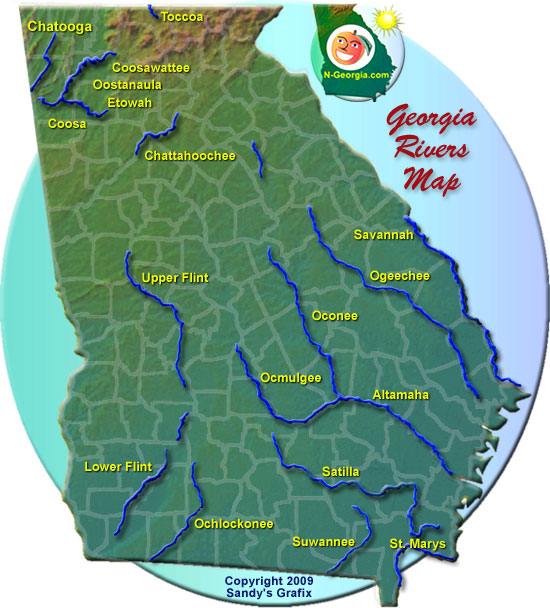
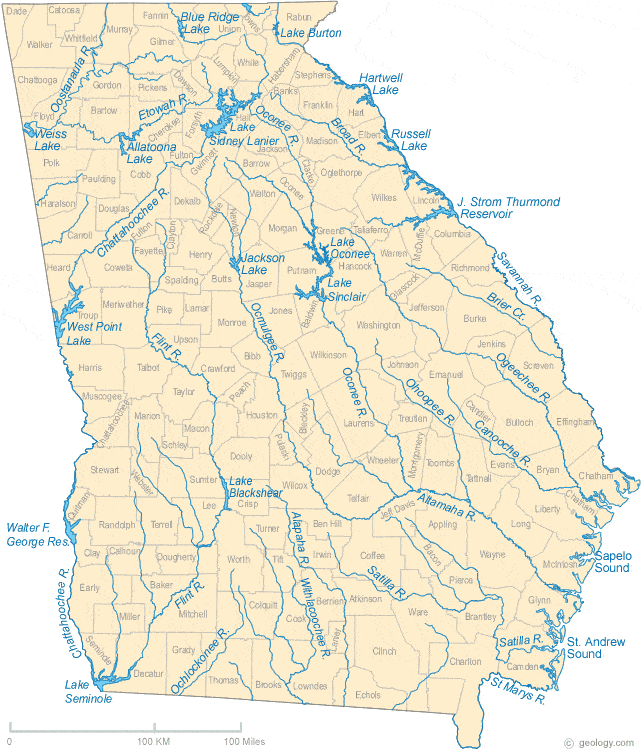
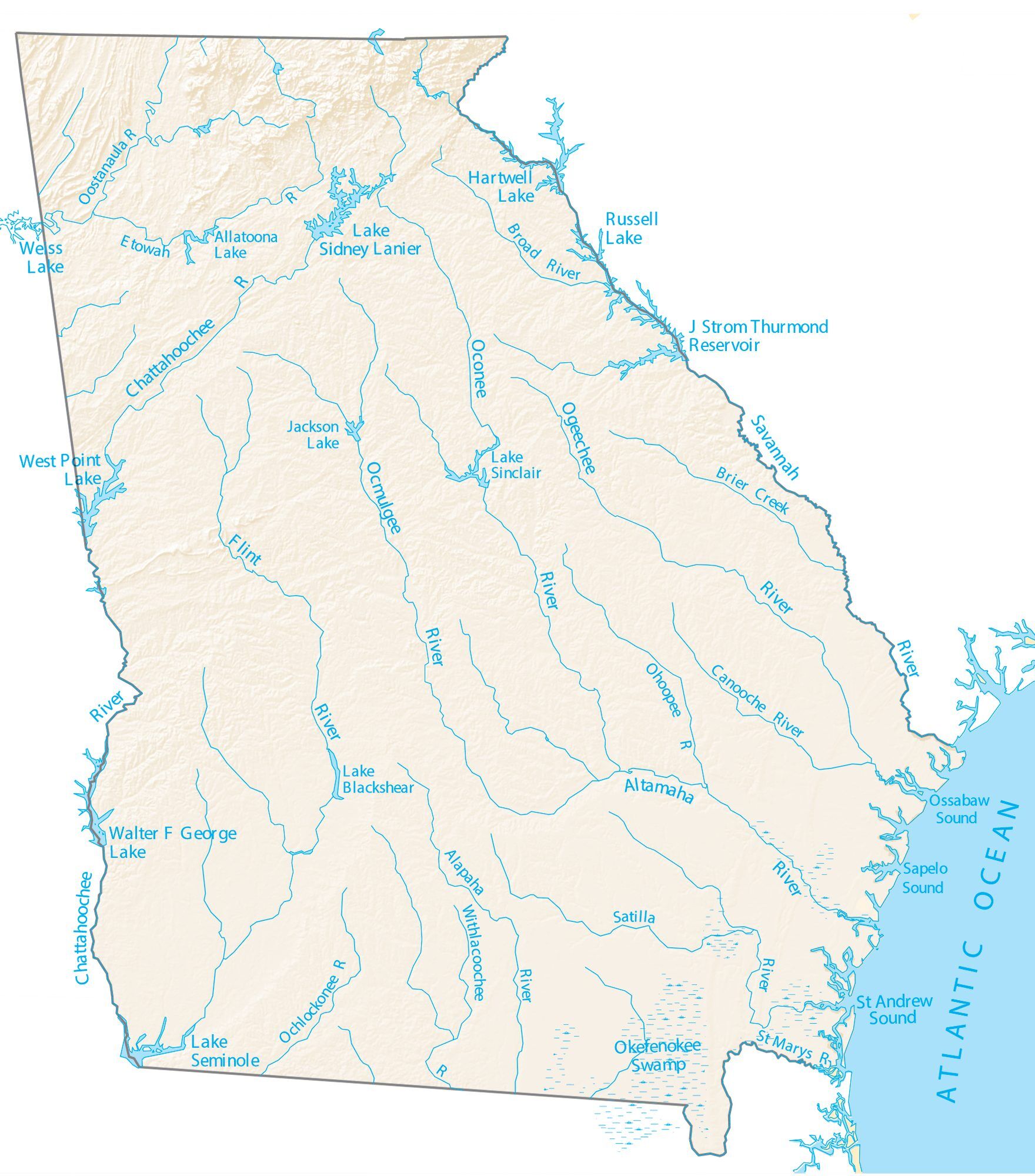
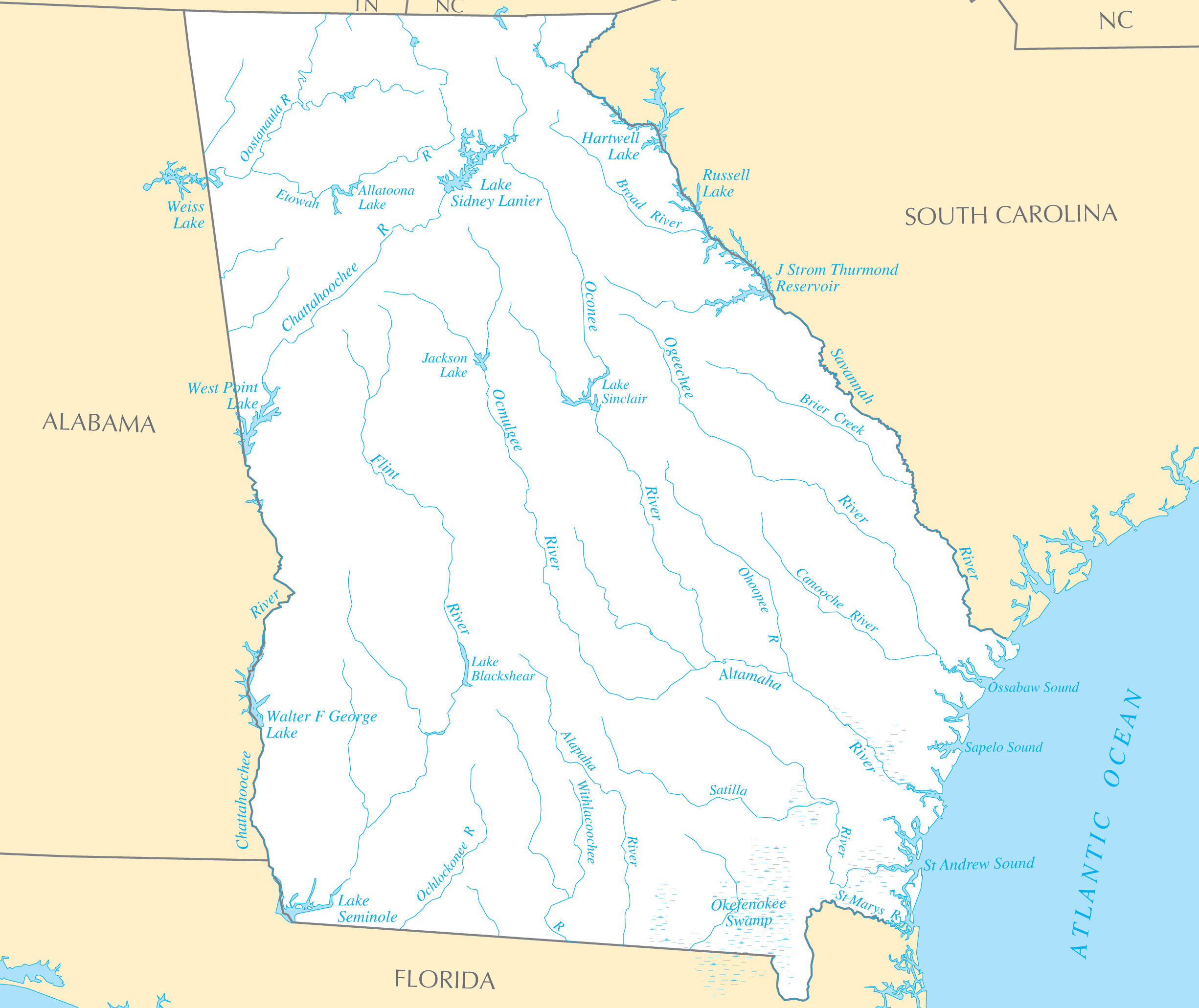
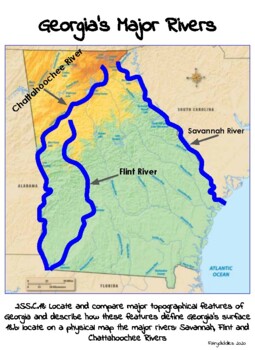
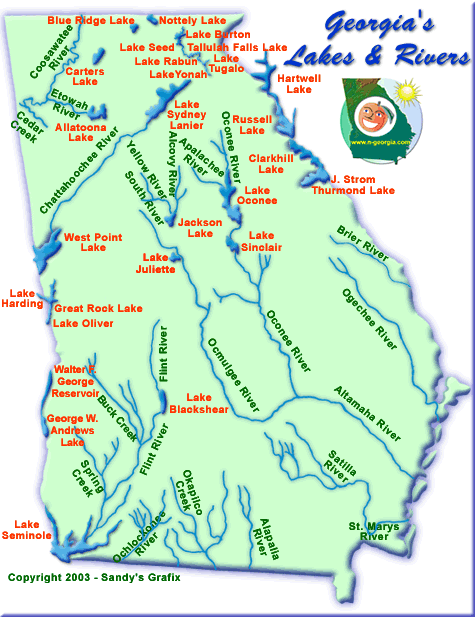
The Chattahoochee River, originating in the Blue Ridge Mountains, flows southward and forms a significant portion of the border between Georgia and Alabama. It is a vital source of drinking water for Atlanta and a popular destination for recreational activities such as kayaking, fishing, and boating. The Chattahoochee River National Recreation Area provides numerous access points and recreational opportunities.
The Savannah River forms the border between Georgia and South Carolina. It is a major shipping channel and a source of hydroelectric power. The river’s estuary is a rich ecosystem supporting diverse wildlife. The Savannah River also offers opportunities for fishing and boating.
The Altamaha River, often referred to as ‘Georgia’s Amazon,’ is one of the largest free-flowing rivers east of the Mississippi. It supports a remarkable diversity of wildlife and is a haven for nature enthusiasts and bird watchers. The Altamaha River Delta is a significant coastal ecosystem.
The Ocmulgee River, a major tributary of the Altamaha, flows through central Georgia. It is known for its historical significance, as it was once a major transportation route for Native Americans and early settlers. Today, the Ocmulgee River offers opportunities for kayaking, canoeing, and fishing.
Mapping Georgia’s Rivers: Tools and Resources
USGS Topographic Maps
The United States Geological Survey (USGS) provides detailed topographic maps that show river courses, elevation contours, and other important features. These maps are invaluable for planning trips and navigating rivers. They are available online and in print.
NOAA Nautical Charts
For navigable rivers, such as the Savannah River, the National Oceanic and Atmospheric Administration (NOAA) provides nautical charts. These charts provide information on water depths, navigation hazards, and aids to navigation.
Online Mapping Tools
Several online mapping tools, such as Google Maps and ArcGIS, offer river maps and geospatial data. These tools often include satellite imagery and street-level views, which can be helpful for planning trips and exploring river environments.
Local and State Resources
The Georgia Department of Natural Resources (DNR) and local conservation organizations often provide river maps and information on access points, recreational opportunities, and conservation efforts. These resources are invaluable for planning your river adventure.
Recreational Activities on Georgia’s Rivers
Kayaking and Canoeing
Kayaking and canoeing are popular ways to explore Georgia’s rivers. Many rivers offer calm stretches suitable for beginners, as well as more challenging rapids for experienced paddlers. Numerous outfitters and rental services are available.
Fishing
Georgia’s rivers are home to a variety of fish species, including bass, catfish, and trout. Fishing is a popular activity, and anglers should be aware of state fishing regulations. Many rivers offer excellent fishing opportunities.
Boating
Powerboating is allowed on many of Georgia’s rivers, providing access to scenic areas and recreational opportunities. Boaters should be aware of navigation rules and safety regulations.
Hiking and Camping
Many rivers are surrounded by hiking trails and camping areas. This provides opportunities for extended river trips and immersion in nature. Camping permits may be required in some areas.
Conservation and Environmental Stewardship
Georgia River Network
The Georgia River Network is a non-profit organization that advocates for the protection of Georgia’s rivers. They provide education, advocacy, and support for river conservation efforts.
The Nature Conservancy
The Nature Conservancy is a global conservation organization that works to protect natural areas and wildlife. They are involved in several river conservation projects in Georgia.
Riverkeeper Organizations
Riverkeeper organizations are local groups that work to protect specific rivers and watersheds. They monitor water quality, advocate for environmental protection, and educate the public about river conservation.
Individual Actions
Individuals can also contribute to river conservation by participating in clean-up events, supporting conservation organizations, and practicing responsible river recreation. Reducing pollution and conserving water are also important steps.
Safety Tips for River Navigation
Check Weather Conditions
Before embarking on a river trip, check the weather forecast and be aware of potential hazards such as thunderstorms and flash floods.
Wear a Life Jacket
Always wear a properly fitted life jacket when on the water.
Inform Someone of Your Plans
Let someone know your trip itinerary, including your route, expected return time, and contact information.
Be Aware of Hazards
Be aware of potential hazards such as submerged logs, rocks, and changing water levels.
Practice Safe Boating
Follow navigation rules and safety regulations when boating on rivers.
Frequently Asked Questions (People Also Ask)
What are the major rivers in Georgia?
The major rivers in Georgia include the Chattahoochee, Savannah, Altamaha, and Ocmulgee.
What recreational activities are available on Georgia’s rivers?
Recreational activities include kayaking, canoeing, fishing, boating, hiking, and camping.
Where can I find river maps for Georgia?
River maps can be found through USGS, NOAA, online mapping tools, and the Georgia DNR.
What are the conservation efforts for Georgia’s rivers?
Conservation efforts are led by organizations like the Georgia River Network, The Nature Conservancy, and local Riverkeeper organizations.
What are the safety tips for navigating Georgia’s rivers?
Safety tips include checking weather conditions, wearing a life jacket, informing someone of your plans, and being aware of hazards.
Conclusion
Georgia’s rivers are a treasure trove of natural beauty, recreational opportunities, and ecological significance. By understanding the river systems, utilizing available mapping resources, engaging in responsible recreation, and supporting conservation efforts, we can ensure that these vital waterways continue to thrive for generations to come. Whether you’re planning a leisurely float down the Chattahoochee, a fishing trip on the Savannah, or an exploration of the Altamaha’s wild beauty, Georgia’s rivers offer something for everyone. Embrace the adventure, respect the environment, and enjoy the journey.