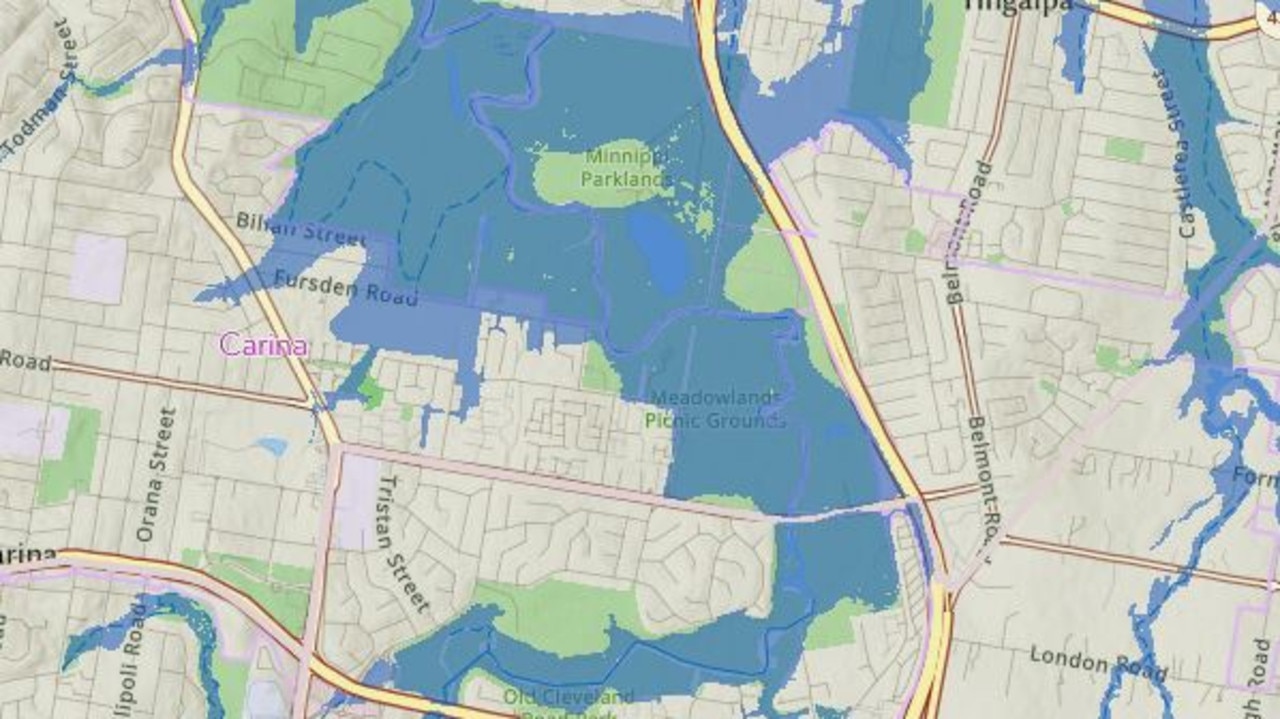
The phrase ‘flooded areas of Houston map’ isn’t just a search query; it’s a critical tool for preparedness, planning, and peace of mind. This comprehensive guide will delve into why Houston floods, where to find reliable flood information, how to interpret flood maps, and what steps you can take to mitigate your risk.
Understanding Houston’s flood vulnerability begins with its geography. The city sits on a vast, flat coastal plain, just miles from the Gulf. This lack of natural slope means rainwater drains slowly, often overwhelming the extensive bayou system designed to carry water away. The region’s rapid development has also contributed, replacing natural prairies and wetlands – which once absorbed vast amounts of water – with impervious concrete and rooftops.
Furthermore, Houston is directly in the path of tropical storms and hurricanes, which bring torrential rainfall and the potential for destructive storm surge. Even outside of major weather events, localized heavy rainfall can lead to significant flash flooding, turning streets into rivers in a matter of minutes.
Houston experiences several distinct types of flooding, each presenting its own set of challenges. Knowing the difference can help you better understand the risks associated with your specific location.
Flash Flooding: This is perhaps the most common and immediate threat. Caused by intense rainfall over a short period, flash floods occur when drainage systems are rapidly overwhelmed, leading to streets, underpasses, and low-lying areas quickly becoming submerged. This type of flooding can happen anywhere, even outside designated floodplains.
Riverine or Bayou Flooding: Houston’s intricate network of bayous and creeks can swell dramatically during prolonged rain events. When these waterways exceed their banks, adjacent properties within the floodplain become inundated. The severity depends on rainfall totals upstream and the capacity of the specific bayou.
Storm Surge: While primarily a concern for coastal communities, powerful hurricanes can push a wall of ocean water inland, affecting areas far from the immediate coastline. This is a devastating type of flood that can cause widespread destruction and is distinct from rainfall-induced flooding.
Urban Flooding: Often a combination of flash and bayou flooding, urban flooding refers to the inundation of developed areas due to insufficient drainage capacity, clogged storm drains, or simply too much water for the infrastructure to handle. This can result in significant property damage and disruption.
When searching for ‘flooded areas of Houston map,’ you’re likely looking for official, data-driven resources that provide an accurate assessment of flood risk. The most authoritative sources come from federal and local government agencies.
FEMA Flood Insurance Rate Maps (FIRMs) are the gold standard for identifying flood hazards. These maps delineate various flood zones, indicating the likelihood of flooding for specific properties. They are used by lenders to determine flood insurance requirements and by communities for floodplain management.
To access FEMA maps, you can visit the FEMA Flood Map Service Center online. Simply enter your address, and the system will provide an interactive map showing your property’s flood zone designation. Understanding these zones is crucial for assessing your risk and insurance needs.
The Harris County Flood Control District (HCFCD) is another indispensable resource. HCFCD offers highly detailed, interactive maps that go beyond FEMA’s general designations. Their tools allow you to view:
- Floodplain Maps: More granular views of bayou floodplains.
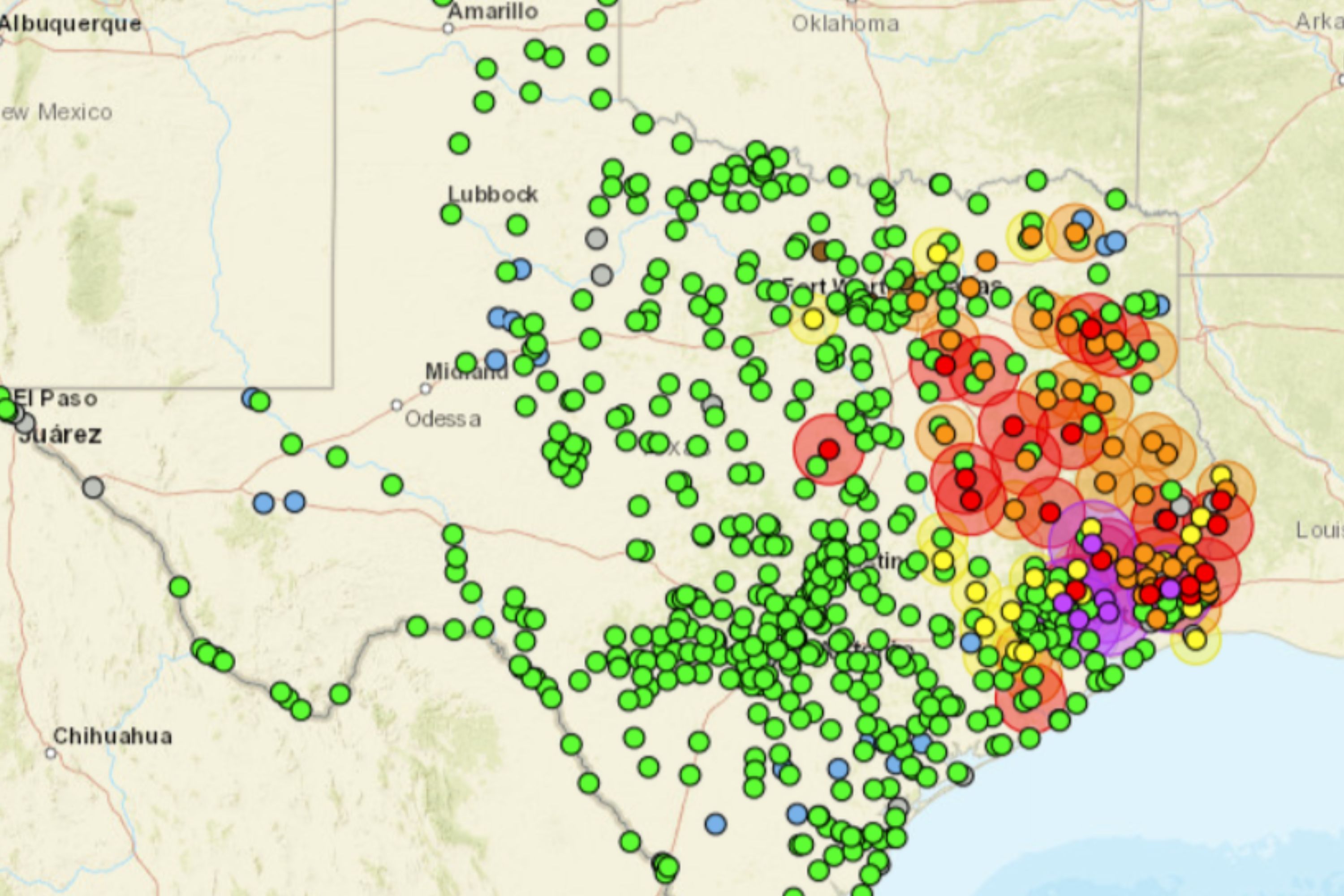
- Real-time Bayou Levels: Monitor current water levels in major bayous and creeks.
- Watershed Information: Understand which watershed your property is in and how it drains.
- Project Information: Details on ongoing flood mitigation projects in your area.
The City of Houston also provides resources, often linking to FEMA and HCFCD data, and offers information on local drainage improvement projects and building code requirements related to flood resistance.
Special Flood Hazard Areas (SFHAs): These are areas that have a 1-percent annual chance of flooding (formerly known as the 100-year flood plain). If your property is in an SFHA and you have a federally backed mortgage, flood insurance is mandatory.
Flood Zones:
- Zone A, AE, AH, AO: These are SFHAs where flood insurance is mandatory. ‘A’ zones indicate areas subject to inundation by the 1-percent-annual-chance flood. ‘AE’ zones add Base Flood Elevations (BFEs).
- Zone V, VE: Coastal SFHAs with additional hazards associated with storm surge and wave action. Mandatory flood insurance applies.
- Zone X (or Zone C, B): Areas outside the SFHA. Zone X (shaded) indicates areas of 0.2-percent-annual-chance flood hazard (500-year floodplain), or areas of 1-percent-annual-chance flood with average depths less than 1 foot. Zone X (unshaded) are areas determined to be outside the 0.2-percent-annual-chance floodplain. Flood insurance is not federally mandated but is highly recommended.
Base Flood Elevation (BFE): This is the elevation to which floodwater is anticipated to rise during a 1-percent-annual-chance flood event. It’s a critical metric for new construction and substantial improvements, as building codes often require the lowest floor to be built at or above the BFE.
Houston’s history is punctuated by significant flood events that have shaped its understanding of risk and driven mitigation efforts. These events serve as stark reminders of the city’s vulnerability.
Tropical Storm Allison (2001): This slow-moving storm dumped over 30 inches of rain in parts of Houston, causing extensive damage, particularly to the Texas Medical Center and downtown. It highlighted the need for improved drainage and emergency response.
Hurricane Harvey (2017): An unprecedented event, Harvey delivered over 50 inches of rain in some areas, leading to catastrophic flooding across the region. It submerged tens of thousands of homes and brought the city to a standstill, fundamentally altering how Houston approaches flood resilience.
Tropical Storm Imelda (2019): Following Harvey, Imelda demonstrated that even less powerful storms could cause significant flooding, particularly in areas still recovering or with already saturated ground.
These events underscore that while flood maps are valuable, they represent probabilities, not guarantees. Historical data helps inform future planning, but unusual weather patterns can always exceed expectations.
1. Check Your Address Regularly: Use the FEMA Flood Map Service Center and HCFCD interactive maps to confirm your property’s flood zone. This information can change due to new mapping or mitigation projects. Even if you’re in a Zone X, understanding your proximity to a bayou or low-lying area is important.
2. Secure Flood Insurance: If you’re in an SFHA, it’s mandatory. Even if you’re not, consider purchasing flood insurance through the National Flood Insurance Program (NFIP) or a private insurer. Homeowners’ insurance policies typically do not cover flood damage. There’s often a 30-day waiting period before a policy takes effect, so don’t wait until a storm is imminent.
3. Develop an Emergency Plan: Create a family communication plan, identify evacuation routes, and assemble a ‘go-bag’ with essential documents, medications, and supplies. Stay informed during severe weather by monitoring local news and emergency alerts.
4. Implement Property Mitigation Measures: For homes at higher risk, consider elevating utilities (HVAC, water heater, electrical panels), installing flood vents, or improving drainage around your property. Even simple landscaping changes can direct water away from your foundation.
"What areas of Houston are considered safe from flooding?" No area is 100% immune to flooding, especially with extreme rainfall events. However, areas at higher elevations, further from major bayous, and those benefiting from newer infrastructure designed to higher flood standards (e.g., some master-planned communities) generally have a lower risk. Always check specific addresses, as risk can vary block by block.
"Does Houston have good drainage?" Houston’s drainage system is extensive, featuring thousands of miles of bayous, ditches, and storm sewers. However, its sheer size, flat terrain, and rapid growth mean the system is constantly being improved and challenged. The Harris County Flood Control District has numerous ongoing projects to increase capacity and build detention basins, but it’s an evolving battle against nature.
"How does Houston deal with flooding?" Houston employs a multi-pronged approach:
- Infrastructure Projects: Widening and deepening bayous, constructing large detention basins to hold excess water, and improving storm sewer systems.
- Updated Building Codes: Requiring new construction and substantially improved properties in floodplains to be elevated.
- Early Warning Systems: Real-time monitoring of rainfall and bayou levels to provide timely warnings.
- Community Engagement: Educating residents about flood risk and preparedness.
- Natural Solutions: Restoring wetlands and creating green infrastructure to absorb stormwater.
Houston’s journey towards greater flood resilience is ongoing. Significant investments are being made in large-scale projects, such as Project Brays, which has transformed Brays Bayou, and the proposed Galveston Bay Park Plan, a massive coastal barrier project. These efforts, combined with individual preparedness and community awareness, are critical for safeguarding the city’s future.
Understanding the ‘flooded areas of Houston map’ is more than just a technical exercise; it’s a vital component of living safely and sustainably in this dynamic city. By leveraging official resources, interpreting flood data correctly, and taking proactive steps to protect your property and family, you contribute to a more resilient Houston. Stay informed, stay prepared, and remember that collective action is key to navigating the challenges of living in a flood-prone region.
The information provided in official flood maps from FEMA and the Harris County Flood Control District is regularly updated. It is always recommended to consult the latest versions of these maps for the most accurate and current flood risk assessment for any specific property or area in Houston.