What Exactly Are Congressional Districts?
At its core, a congressional district is a specific territorial division of a state from which a member of the U.S. House of Representatives is elected. The United States Constitution mandates that representation be apportioned among the states based on population. Following each decennial census, states adjust their district boundaries to ensure each one has a roughly equal number of people, adhering to the principle of ‘one person, one vote.’
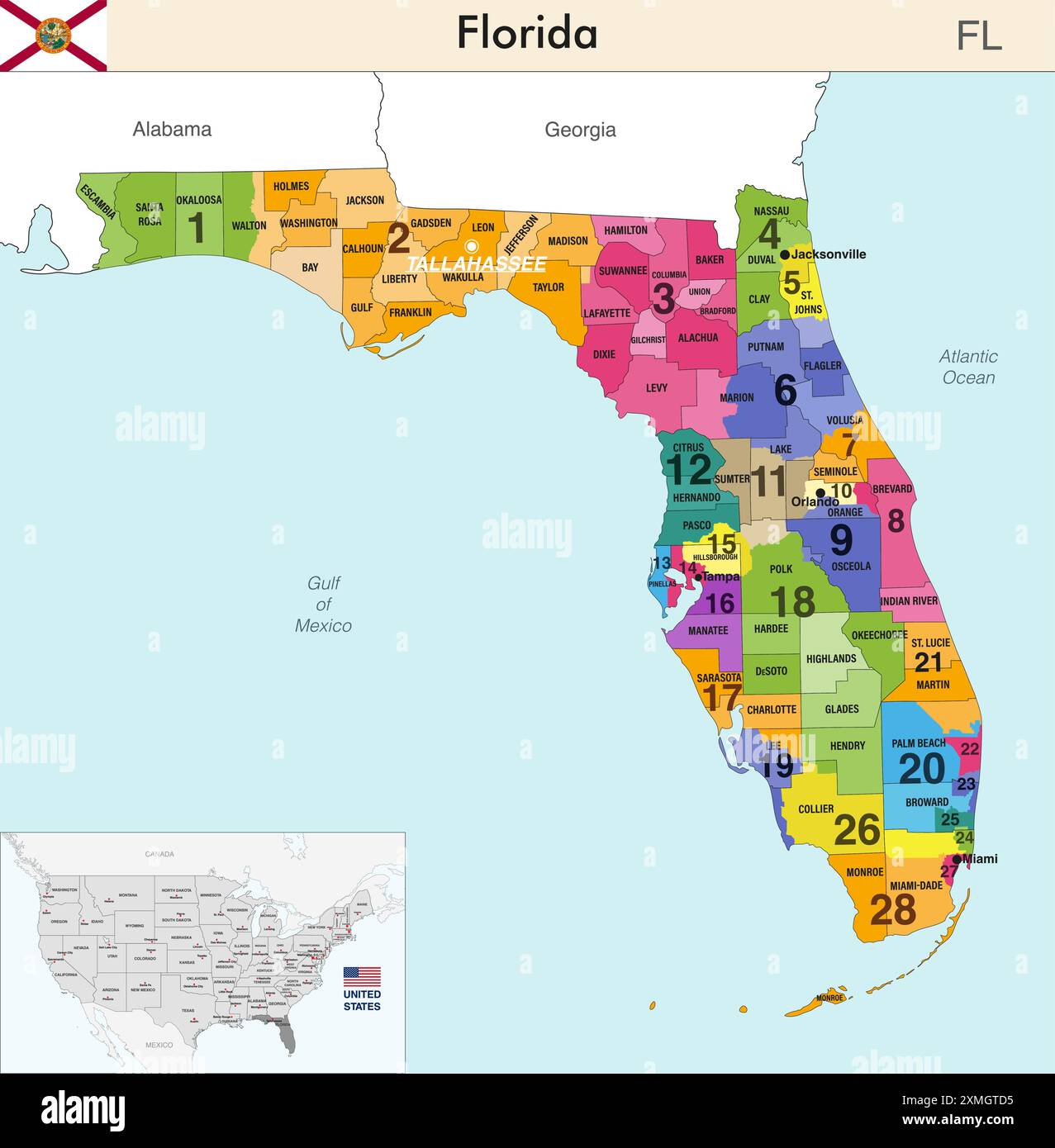
Each of the 435 members of the House of Representatives serves a two-year term, representing the interests of the constituents within their designated district. Florida, as a rapidly growing state, currently holds 28 of these seats, making its congressional delegation one of the most significant in the nation.
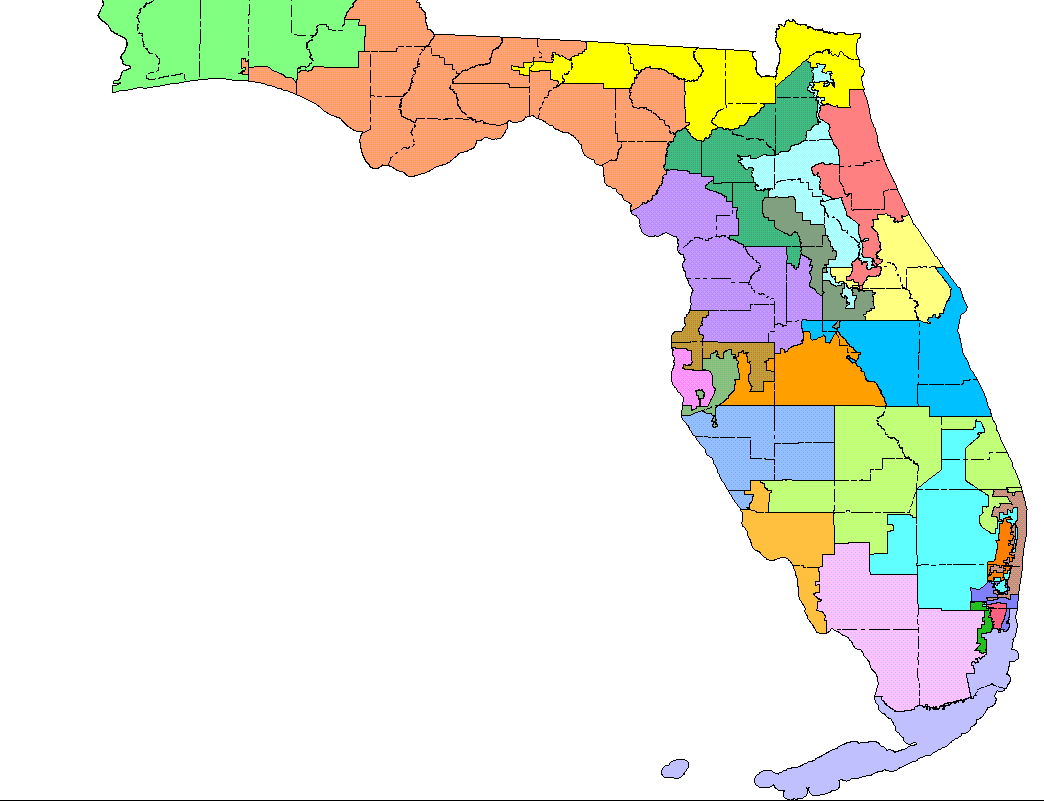
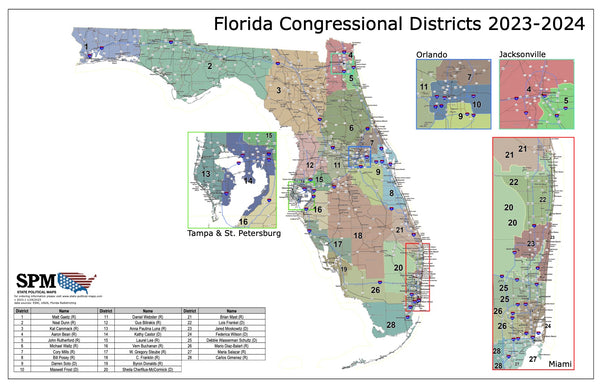
The 2024 Florida Congressional District Map: An Overview
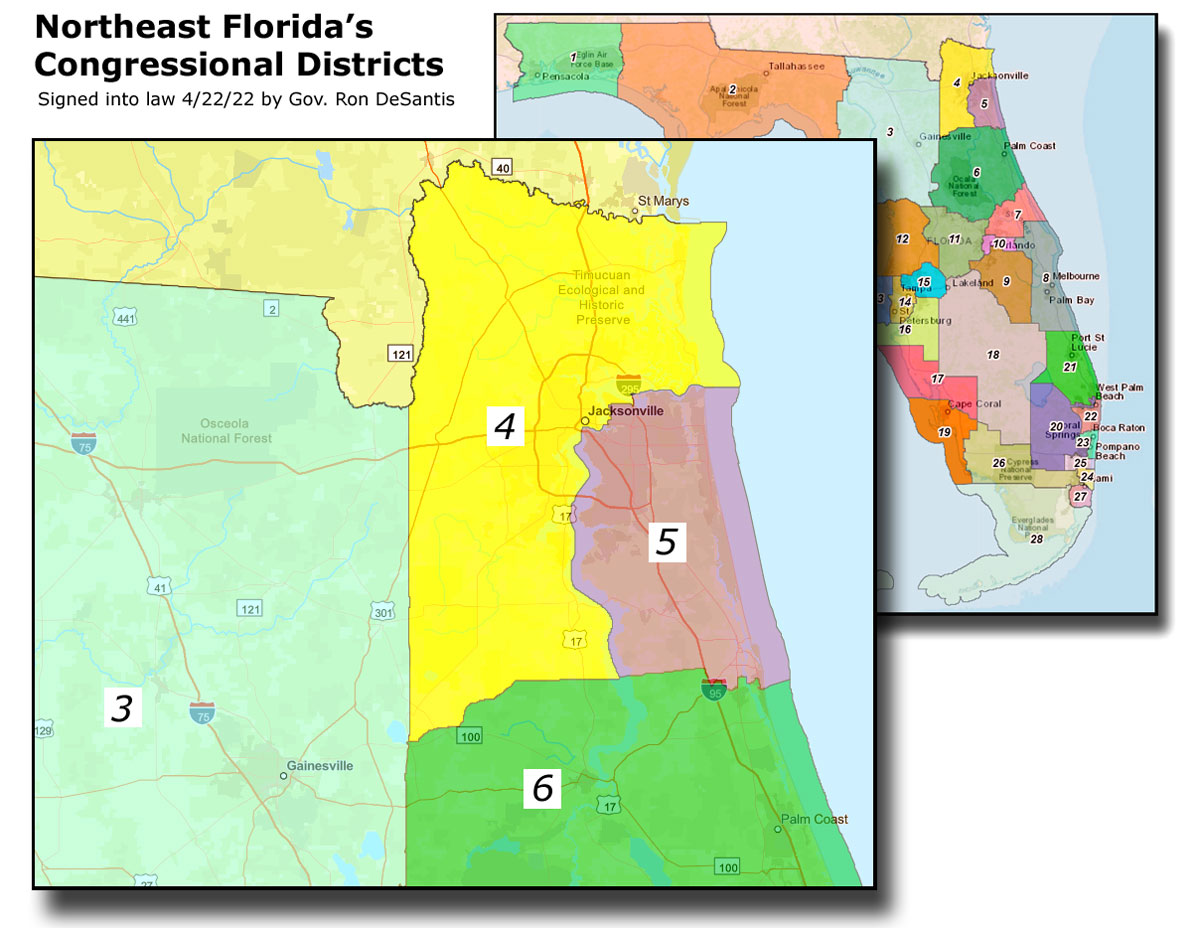
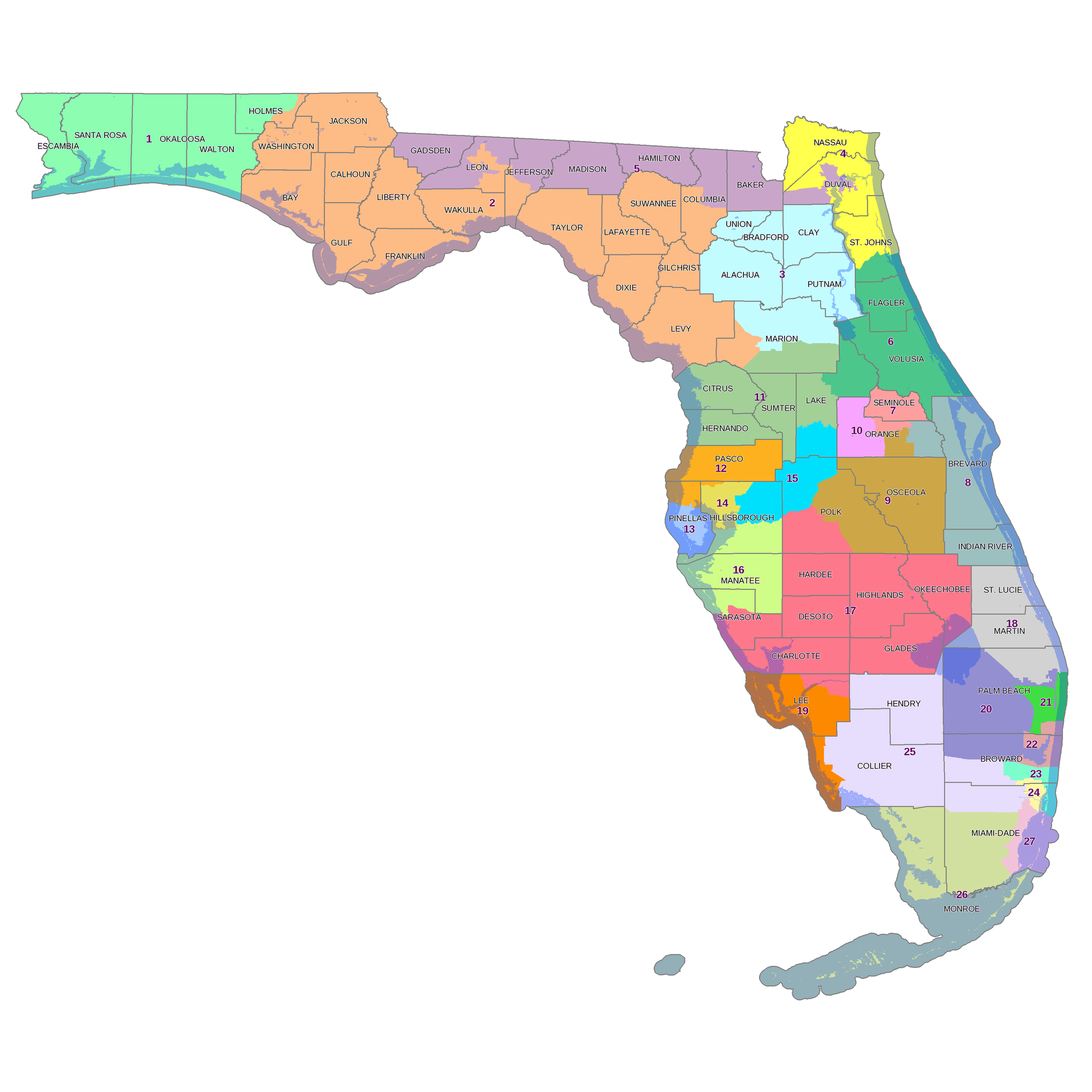
The current map, which took effect for the 2022 midterm elections, reflects population shifts captured in the 2020 Census. Due to its substantial population growth, Florida was awarded an additional seat, increasing its total from 27 to 28 congressional districts. This expansion underscores the state’s growing influence in national politics.
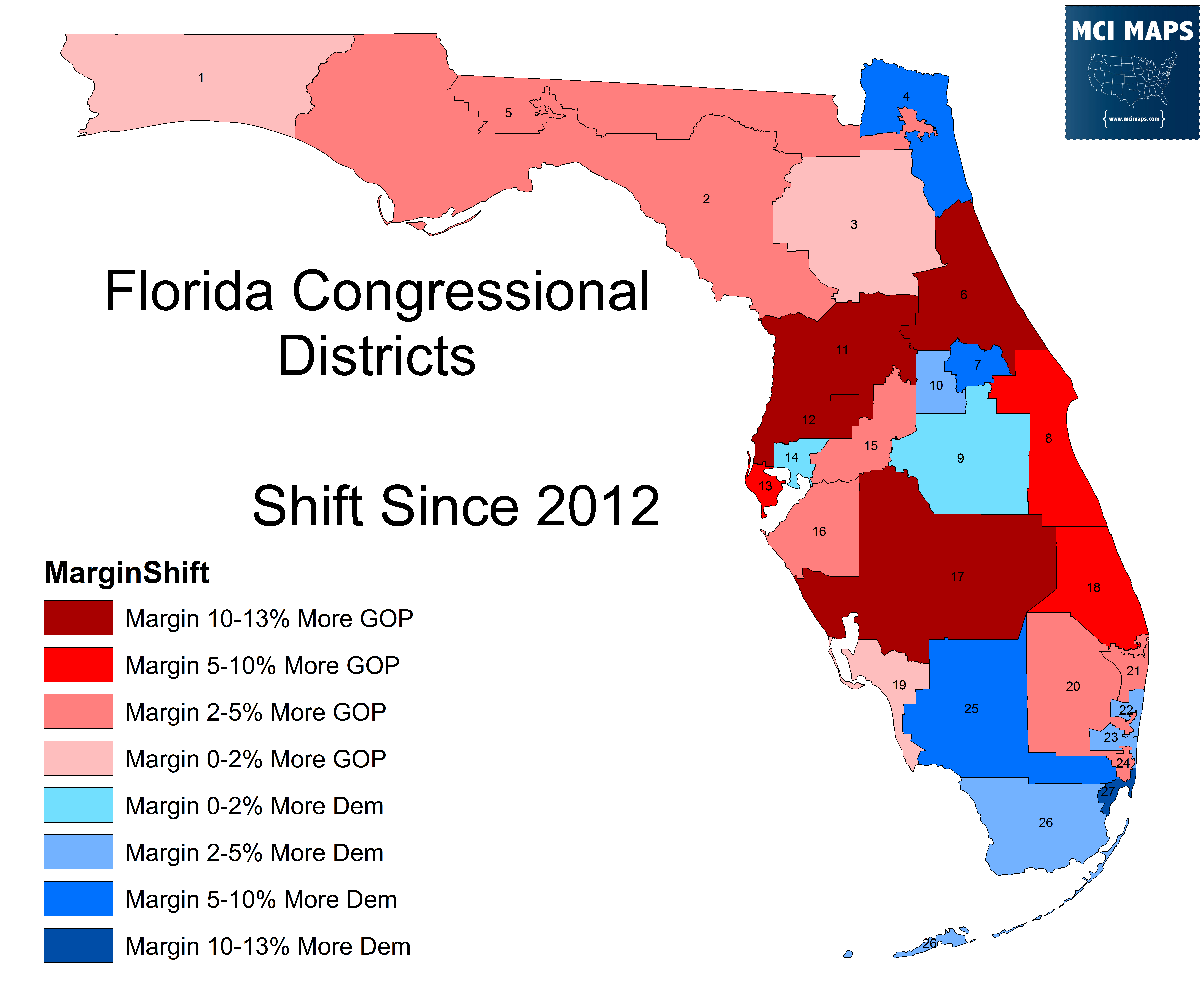
The redistricting process that created this map was one of the most contentious in the country. The final map, often referred to as the ‘DeSantis map’ after being pushed by the governor’s office, resulted in a significant advantage for the Republican party. As of the last election, the map produced 20 districts won by Republicans and only 8 by Democrats, a notable shift from the previous map’s more balanced composition.
The Contentious Process of Redistricting in Florida
Redistricting in Florida is officially the responsibility of the State Legislature. Following the census, lawmakers are tasked with drawing new lines for both congressional and state legislative districts. The proposed maps must then be signed into law by the Governor.
However, this process is governed by specific legal standards, most notably Florida’s Fair Districts Amendments. Passed by voters in 2010, these amendments to the state constitution were designed to curb political gerrymandering. They explicitly forbid lawmakers from drawing districts with the intent to favor or disfavor a political party or incumbent.
The most recent cycle saw significant conflict between the legislature’s proposals and a more aggressive map championed by Governor Ron DeSantis. Ultimately, the governor’s version prevailed, but it immediately faced legal challenges arguing that it violated the Fair Districts Amendments and diminished the voting power of racial minorities, particularly in North Florida.
How to Find Your Congressional District and Representative
- Official Government Websites: The most reliable method is to use official resources. The Florida Division of Elections website has a lookup tool, as does the official U.S. House of Representatives site (house.gov). Simply enter your full street address to get your result.
- County Supervisor of Elections: Your local county’s Supervisor of Elections office provides detailed precinct and district information. Their website is an excellent resource for all election-related queries.
- Third-Party Civic Engagement Tools: Websites like GovTrack.us, Ballotpedia, and Vote411 also offer easy-to-use address-based lookup tools that provide information about all of your elected officials, from the local to the federal level.
Knowing your district is the first step. Once you have your district number, you can easily identify your representative, learn about their voting record, and find their contact information to voice your opinions on important issues.
A Closer Look at Key Florida Congressional Districts
While every district is important, some have unique characteristics or have been the subject of significant change and national attention. Here are a few examples from the current map.
Florida’s 1st Congressional District (FL-01)
Located in the far western Panhandle, FL-01 is one of the most conservative districts in the state. It encompasses Escambia, Santa Rosa, and Okaloosa counties and is home to a large military population with several major bases, including Naval Air Station Pensacola and Eglin Air Force Base. This district consistently elects Republican representatives by wide margins.
Florida’s 10th Congressional District (FL-10)
Centered on Orlando and parts of Orange County, FL-10 is a diverse, urban, and strongly Democratic district. It was significantly reconfigured during the last redistricting cycle. The district is a minority-majority seat, with a large population of African American and Hispanic voters. Its representative is typically a progressive Democrat.
Florida’s 15th Congressional District (FL-15)
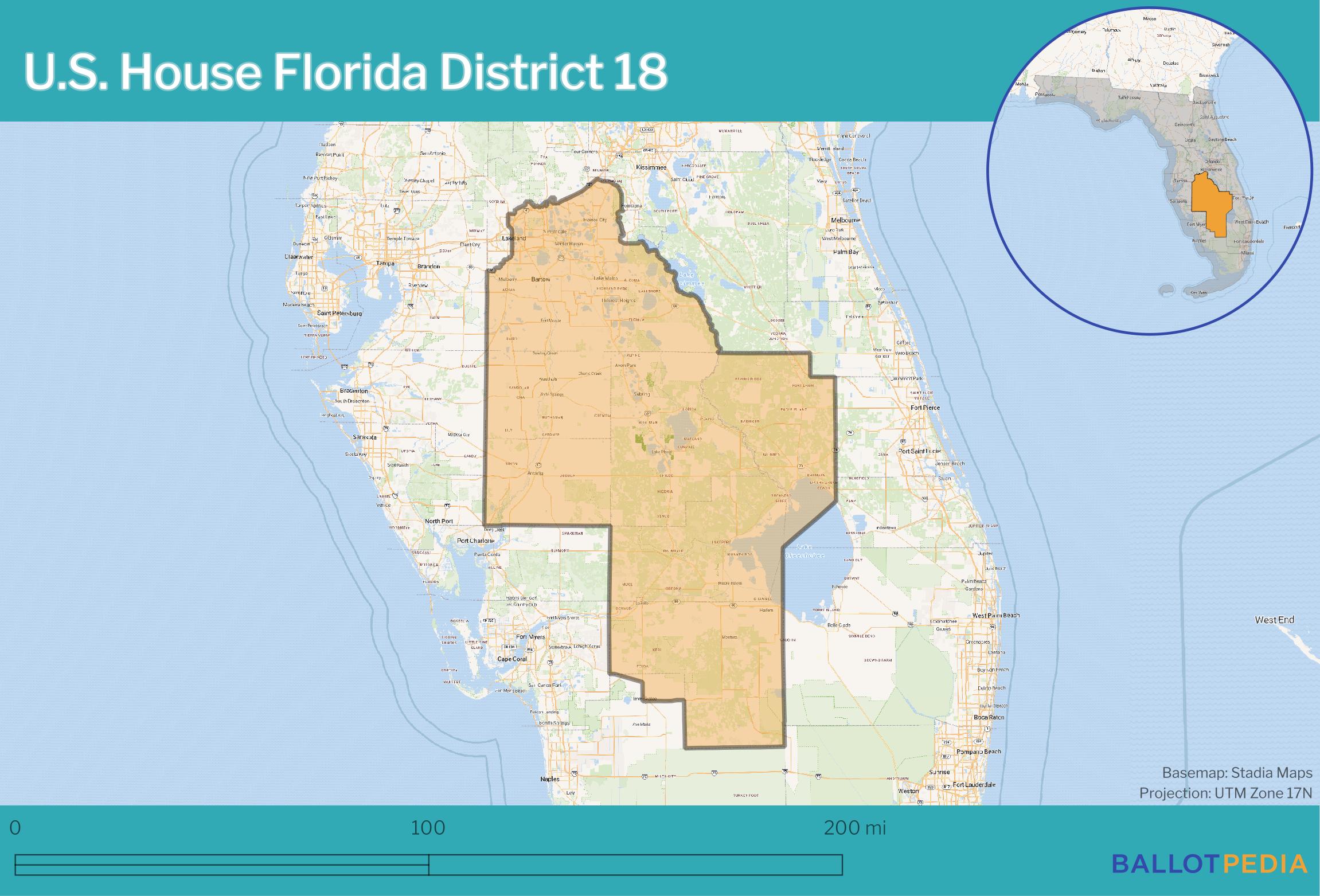
The newly drawn FL-15 is located in the Tampa Bay area, covering parts of Hillsborough, Pasco, and Polk counties. It’s a prime example of a ‘swing’ or competitive district created by the new map. With a mix of suburban and exurban communities along the I-4 corridor, it represents a key political battleground in Central Florida.
Florida’s 27th Congressional District (FL-27)
This Miami-Dade County district is one of the most culturally diverse in the nation. With a large Cuban-American population and a mix of other Hispanic communities, its political dynamics are unique. While it was once considered a swing district, recent trends have shown it leaning more reliably toward the Republican party, reflecting a broader political shift among Hispanic voters in South Florida.
The Shadow of Gerrymandering over Florida’s Map
The term gerrymandering refers to the practice of drawing electoral district boundaries to give one political party an unfair advantage. This is typically achieved through two methods: ‘cracking,’ which involves splitting a rival party’s supporters among several districts to dilute their voting power, and ‘packing,’ which concentrates a rival party’s supporters into a few districts to concede those seats while making surrounding districts less competitive.
Critics of the current Florida map argue it is a textbook example of a partisan gerrymander. A key point of contention was the dismantling of the old 5th Congressional District, which stretched from Jacksonville to Tallahassee and was designed to allow Black voters to elect a candidate of their choice. The new map split this population into four separate, heavily Republican-leaning districts, a move that challengers argued was a form of racial gerrymandering that violated both the Fair Districts Amendments and the federal Voting Rights Act.
The Role of the Courts in Shaping the Map
Because redistricting is so politically charged, the final map is often decided not in the legislature, but in the courtroom. Following the 2010 redistricting cycle, Florida’s Fair Districts Amendments were tested in court, leading to the State Supreme Court invalidating the legislature’s map and ordering a redrawing of several districts.
Similarly, the current map has been the subject of intense legal battles. Lawsuits were filed almost immediately after its passage. While some initial rulings have gone against the map, the legal process is lengthy, and appeals could take years to resolve. The ultimate decisions from state and federal courts will have a lasting impact on the future of political representation in Florida.
Frequently Asked Questions (FAQ)
Navigating the details of congressional maps can be confusing. Here are answers to some common questions.
How many congressional districts are in Florida?
As of the 2022 elections, Florida has 28 congressional districts. This number was determined by the state’s population growth recorded in the 2020 U.S. Census.
When will Florida redraw its district maps again?
Barring any court-ordered changes, the congressional district maps will be redrawn following the 2030 U.S. Census. The new maps would then take effect for the 2032 election cycle.
Who draws the congressional districts in Florida?
The power to draw the maps rests with the Florida State Legislature. However, the process is subject to the governor’s signature and must comply with the Florida Constitution, including the Fair Districts Amendments, and federal law, such as the Voting Rights Act.
Why Your Congressional District Matters
The boundaries of your congressional district have a direct and tangible impact on your life. They determine who represents your community’s interests in Washington, D.C., influencing debates on healthcare, infrastructure, social security, and national security.
A district’s composition—whether it’s urban, rural, suburban, coastal, or inland—shapes the priorities of its representative. A competitive district may produce a more moderate representative, while a ‘safe’ district often elects someone more aligned with their party’s base. Understanding your district’s map is essential for effective advocacy and informed voting.
Conclusion: Understanding Florida’s Evolving Political Landscape
The map of Florida’s congressional districts is a living document, reflecting the state’s dynamic growth and its complex political currents. The current 28-district configuration, born from a contentious redistricting battle, has reshaped the state’s political landscape, with significant implications for representation at the national level.
For citizens, the key takeaway is the importance of engagement. By understanding the process, knowing your district, and holding your elected officials accountable, you play a vital role in the democratic process. As Florida continues to grow and change, its congressional map will remain a central feature of its political identity.