Understanding the Sprawling Landscape: What is Los Angeles County?
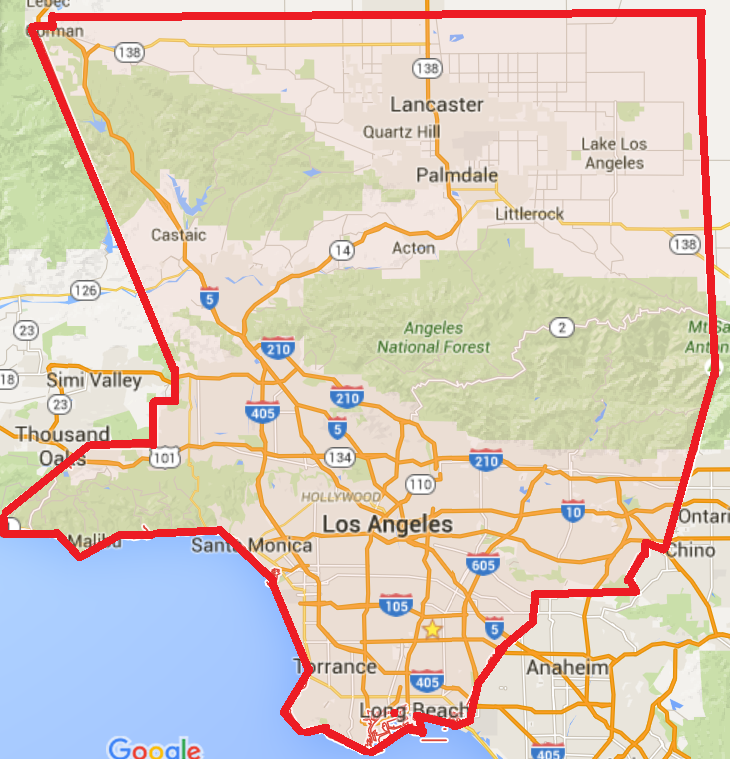
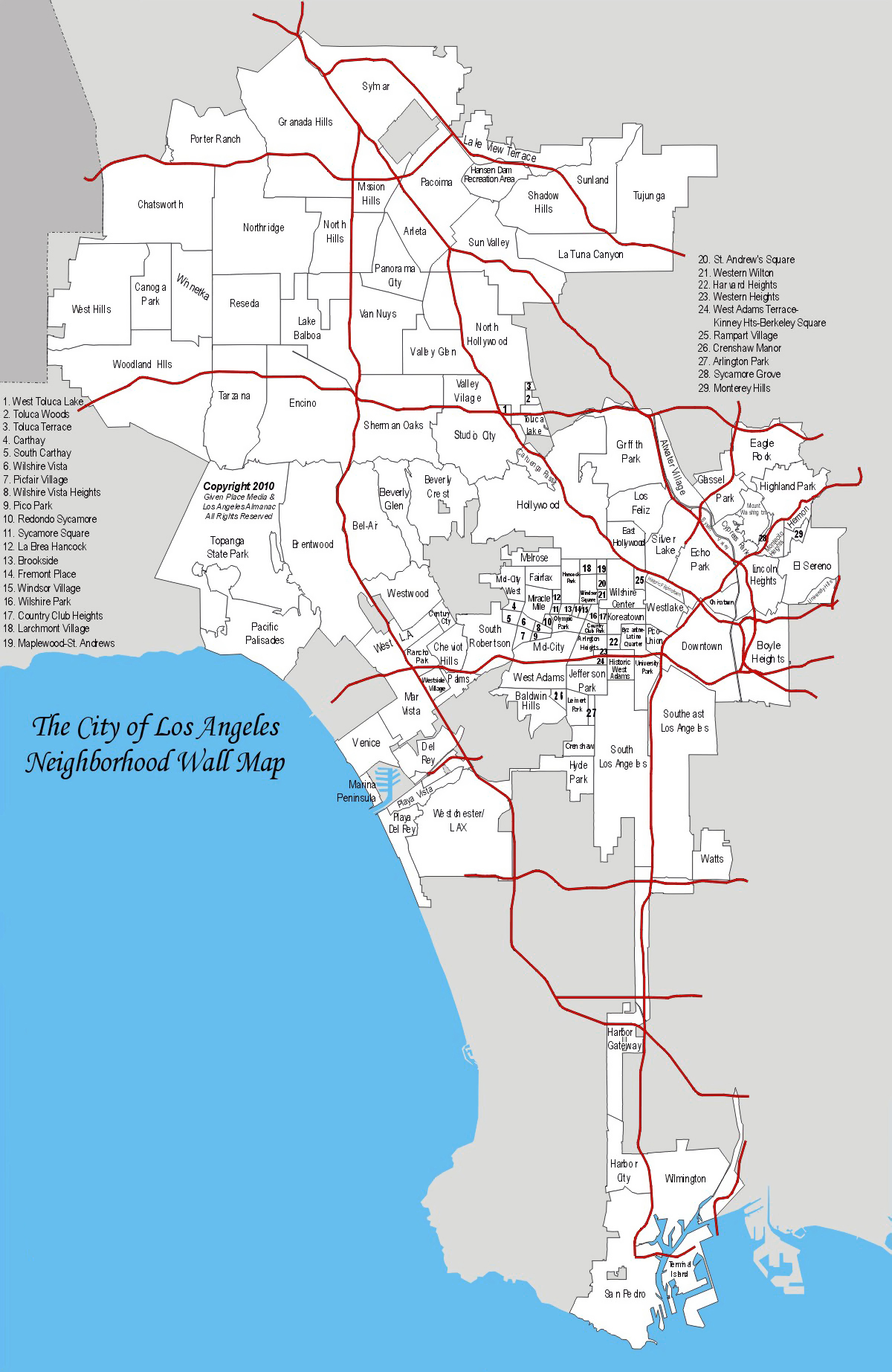
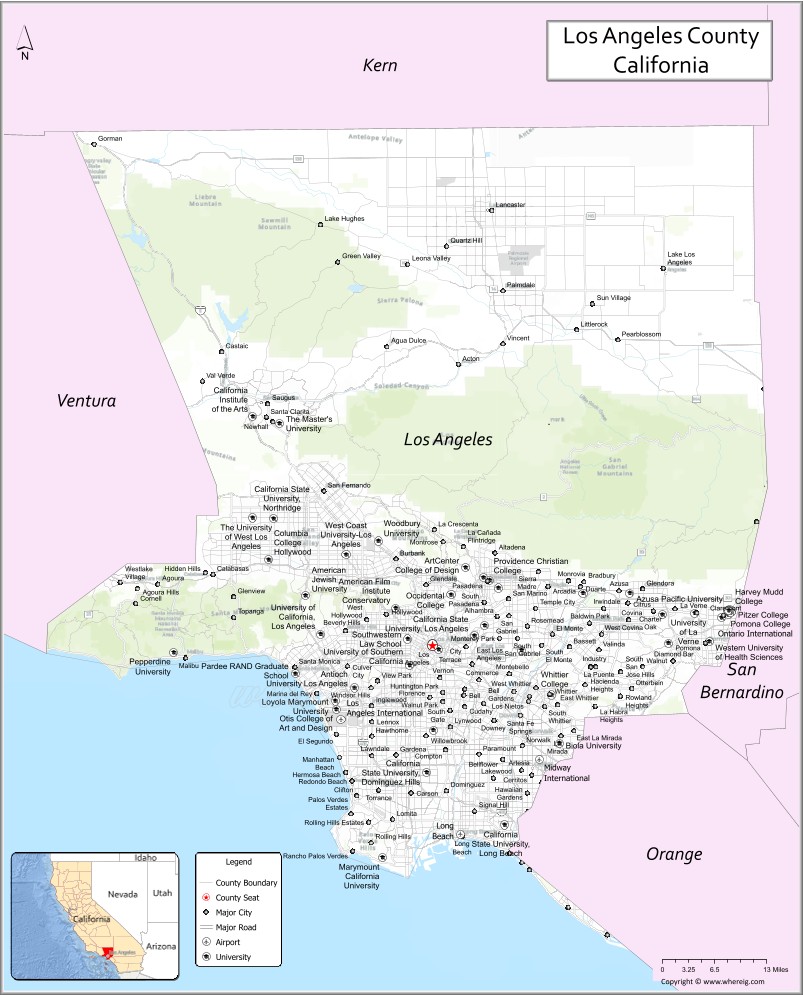
Before diving into the map, it’s crucial to clarify a common point of confusion: the difference between the City of Los Angeles and the County of Los Angeles. The County is a massive administrative region covering 4,083 square miles and home to over 10 million people, making it the most populous county in the United States. Within this massive county lies the City of Los Angeles, which is itself the largest of the 88 cities. Many famous locales people associate with ‘LA’—like Beverly Hills, Santa Monica, and Pasadena—are actually independent cities with their own governments, separate from the City of Los Angeles.
The county’s sheer scale means it encompasses an incredible variety of landscapes, from the sun-drenched beaches of Malibu to the high desert of the Antelope Valley and the urban core of Downtown LA. This geographical diversity is matched by its cultural and economic diversity, making it a global hub for entertainment, technology, trade, and more.
Navigating the Map: The Major Regions of LA County
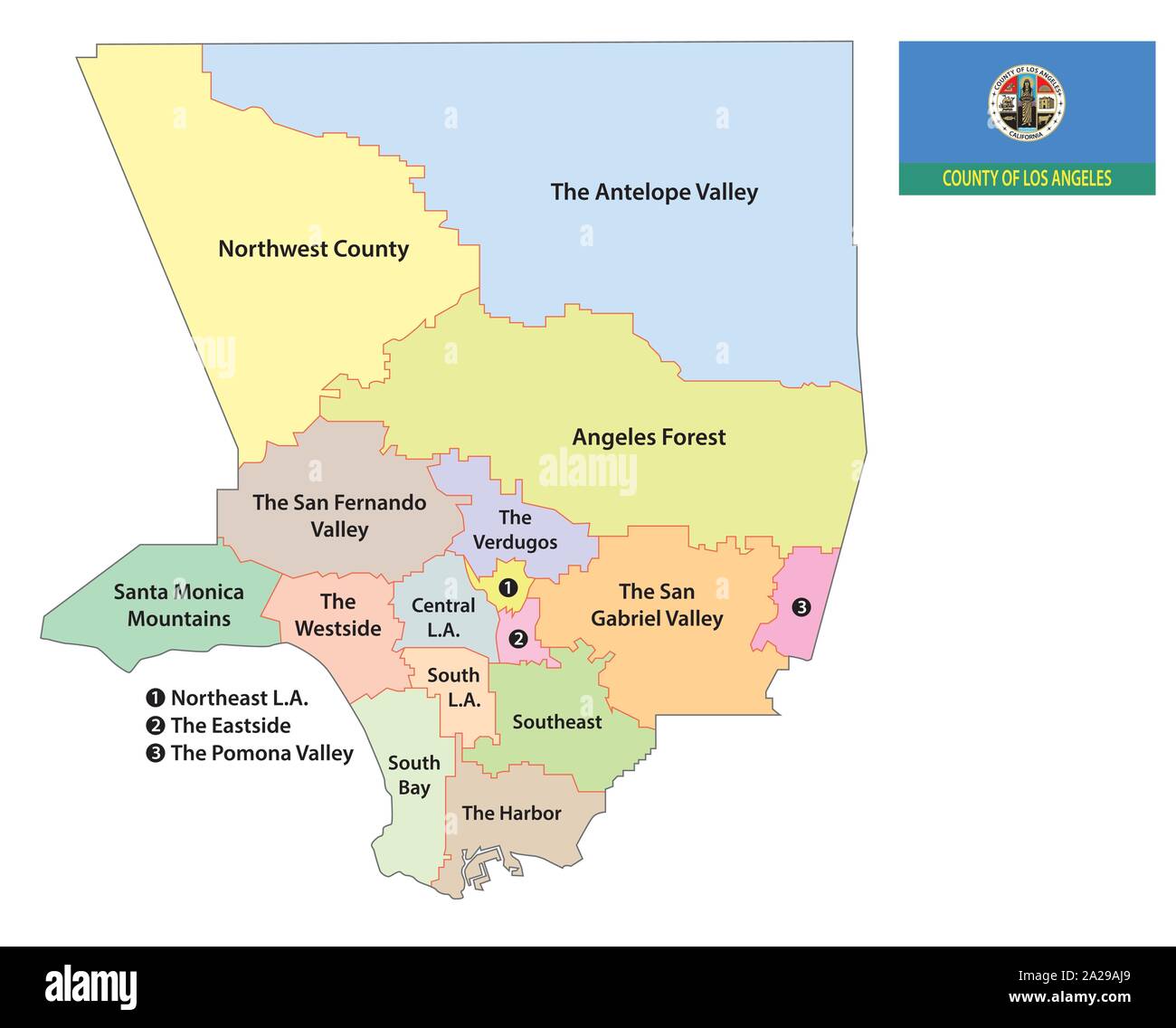
To make sense of its 88 cities, experts and locals typically divide Los Angeles County into several distinct geographical regions. Understanding these areas is key to reading any map of the county.
Central Los Angeles / Metro LA
This is the urban heart of the county. It includes Downtown Los Angeles (DTLA), the region’s central business district, as well as famous neighborhoods within the City of LA like Hollywood, Koreatown, and Echo Park. This region also contains independent cities such as the celebrity enclave of Beverly Hills and the vibrant city of West Hollywood, known for its nightlife and culture.
The San Fernando Valley
Often referred to simply as "The Valley," this vast, suburban region is located north of the Santa Monica Mountains. While a large portion of it is technically part of the City of Los Angeles (including neighborhoods like Van Nuys, Sherman Oaks, and Northridge), it also contains several independent cities. These include Burbank, the "Media Capital of the World," the city of San Fernando, the affluent Calabasas, and the large city of Glendale.
The San Gabriel Valley (SGV)
Situated to the east of Downtown LA, the San Gabriel Valley is renowned for its rich history and large, vibrant Asian American communities. It’s home to some of the county’s most historic and culturally significant cities. Key cities here include Pasadena, famous for the Rose Bowl and its Old Town district; Alhambra; Monterey Park; and Arcadia, home to the Santa Anita Park racetrack.
The Westside
As its name suggests, the Westside occupies the western portion of the county, bordering the Pacific Ocean. It is known for its affluent communities, beach culture, and thriving tech scene, often called "Silicon Beach." The most prominent independent cities on the Westside are Santa Monica, with its famous pier and promenade; Culver City, a hub for film and television production; and the stunning coastal city of Malibu.
South Bay
Stretching along the southern coastline of Santa Monica Bay, the South Bay offers a more laid-back beach lifestyle compared to the Westside. It’s a mix of picturesque coastal towns and larger suburban cities. Notable cities include the "Beach Cities" of Manhattan Beach, Hermosa Beach, and Redondo Beach, as well as the larger commercial hub of Torrance and the exclusive communities on the Palos Verdes Peninsula.
Gateway Cities
This region, located in southeastern LA County, gets its name from its position between Los Angeles and Orange County. It’s a densely populated area with a strong industrial and commercial base. The largest and most well-known city in this region is Long Beach, a major port city with its own distinct identity. Other key Gateway Cities include Downey, Norwalk, and Cerritos.
Antelope Valley
The northernmost region of LA County, the Antelope Valley is part of the Mojave Desert. It’s characterized by a more arid climate and open spaces, offering a stark contrast to the dense urban core. The two main cities here are Lancaster and Palmdale, which have grown significantly in recent decades.
Santa Clarita Valley
Located in the northwestern part of the county, the Santa Clarita Valley is known for its family-friendly suburban communities and the Six Flags Magic Mountain theme park. The primary city in this region is Santa Clarita, which is one of the largest cities in the county by land area and was formed by the merger of several smaller communities like Valencia, Newhall, and Saugus.
The Complete List: All 88 Incorporated Cities in Los Angeles County
- Agoura Hills
- Alhambra
- Arcadia
- Artesia
- Avalon
- Azusa
- Baldwin Park
- Bell
- Bell Gardens
- Bellflower
- Beverly Hills
- Bradbury
- Burbank
- Calabasas
- Carson
- Cerritos
- Claremont
- Commerce
- Compton
- Covina
- Cudahy
- Culver City
- Diamond Bar
- Downey
- Duarte
- El Monte
- El Segundo
- Gardena
- Glendale
- Glendora
- Hawaiian Gardens
- Hawthorne
- Hermosa Beach
- Hidden Hills
- Huntington Park
- Industry
- Inglewood
- Irwindale
- La Cañada Flintridge
- La Habra Heights
- La Mirada
- La Puente
- La Verne
- Lakewood
- Lancaster
- Lawndale
- Lomita
- Long Beach
- Los Angeles
- Lynwood
- Malibu
- Manhattan Beach
- Maywood
- Monrovia
- Montebello
- Monterey Park
- Norwalk
- Palmdale
- Palos Verdes Estates
- Paramount
- Pasadena
- Pico Rivera
- Pomona
- Rancho Palos Verdes
- Redondo Beach
- Rolling Hills
- Rolling Hills Estates
- Rosemead
- San Dimas
- San Fernando
- San Gabriel
- San Marino
- Santa Clarita
- Santa Fe Springs
- Santa Monica
- Sierra Madre
- Signal Hill
- South El Monte
- South Gate
- South Pasadena
- Temple City
- Torrance
- Vernon
- Walnut
- West Covina
- West Hollywood
- Westlake Village
- Whittier
Frequently Asked Questions (FAQs) About LA County’s Cities
Navigating the map of Los Angeles County cities often leads to common questions. Here are answers to some of the most frequently asked ones.
What is the largest city in Los Angeles County?
By both population and land area, the City of Los Angeles is the largest in the county. It is home to nearly 4 million people. Following Los Angeles in population are Long Beach, Glendale, Santa Clarita, and Lancaster.
How many cities are in LA County?
There are exactly 88 incorporated cities in Los Angeles County. In addition to these cities, there are over 140 unincorporated areas and communities that are governed directly by the LA County Board of Supervisors.
Is Beverly Hills its own city?
Yes, it is. This is a perfect example of the county’s complex geography. The City of Beverly Hills is a world-famous, independent municipality. It is completely surrounded by the City of Los Angeles on three sides and the City of West Hollywood on the fourth.
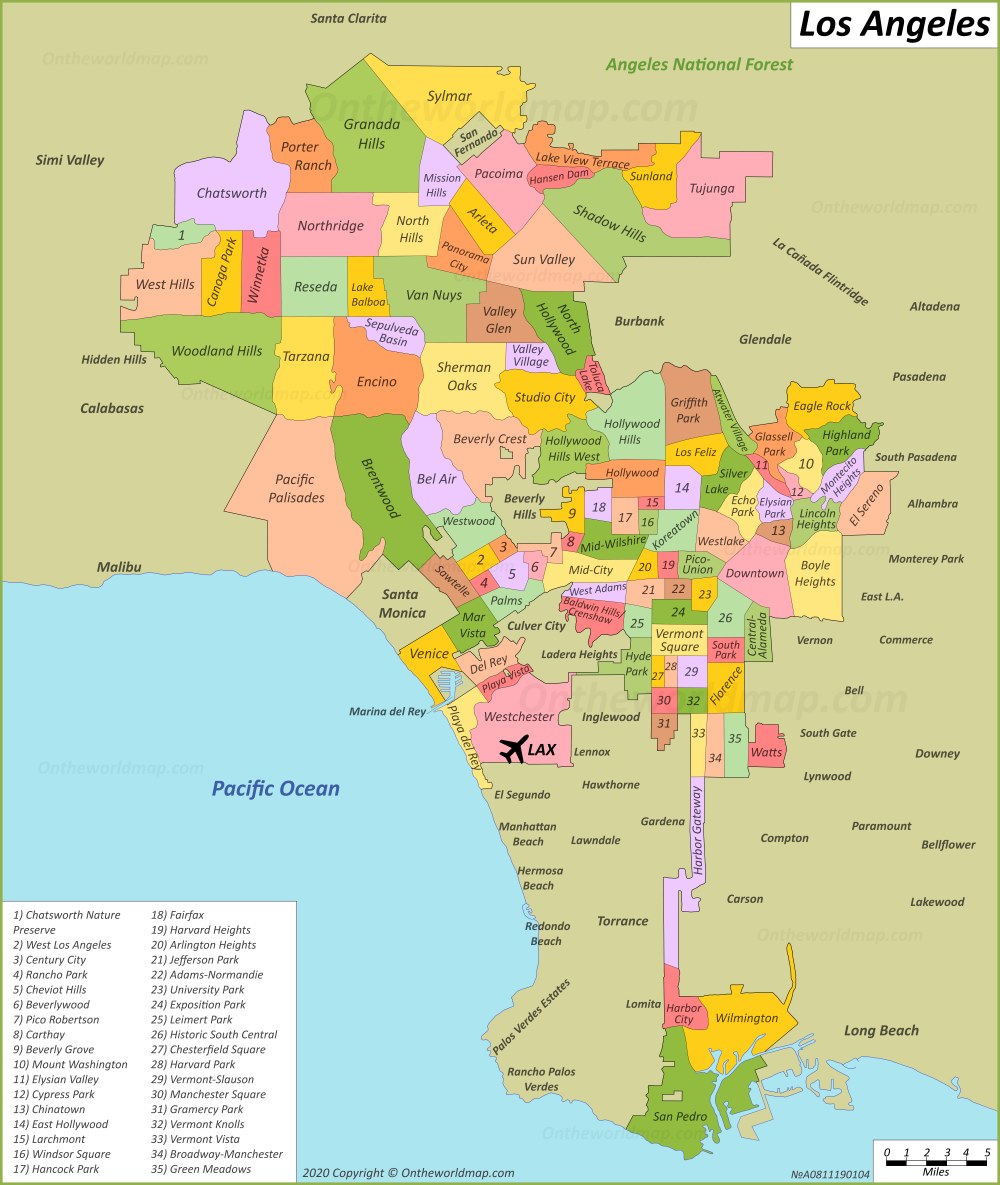
What’s the difference between a city and a neighborhood in LA?
The primary difference is governance. An incorporated city (like Burbank or Pasadena) has its own government, including a city council, and often its own police department, fire department, and public services. A neighborhood (like Hollywood, Venice, or Silver Lake) is a district or community that is part of a larger city—in these cases, they are all part of the City of Los Angeles and are governed by the LA Mayor and City Council.
Which LA County cities are on the beach?
Los Angeles County boasts a stunning coastline. The cities located directly on the Pacific Ocean include: Malibu, Santa Monica, El Segundo, Manhattan Beach, Hermosa Beach, Redondo Beach, Torrance, Rancho Palos Verdes, and Long Beach. The city of Los Angeles also has coastal neighborhoods like Venice and Pacific Palisades.
Beyond the Cities: Understanding Unincorporated Areas
A key feature of the Los Angeles County map is its many unincorporated areas. These are communities that are not part of any of the 88 cities. Instead, they are directly governed by the County of Los Angeles. Prominent examples include East Los Angeles, a large and historically significant community; Marina del Rey, home to the world’s largest man-made small craft harbor; and Altadena, nestled against the San Gabriel Mountains just north of Pasadena. For residents of these areas, services like law enforcement (provided by the LA County Sheriff’s Department) and planning are handled at the county level.
Tools and Resources for Exploring the Map of LA County
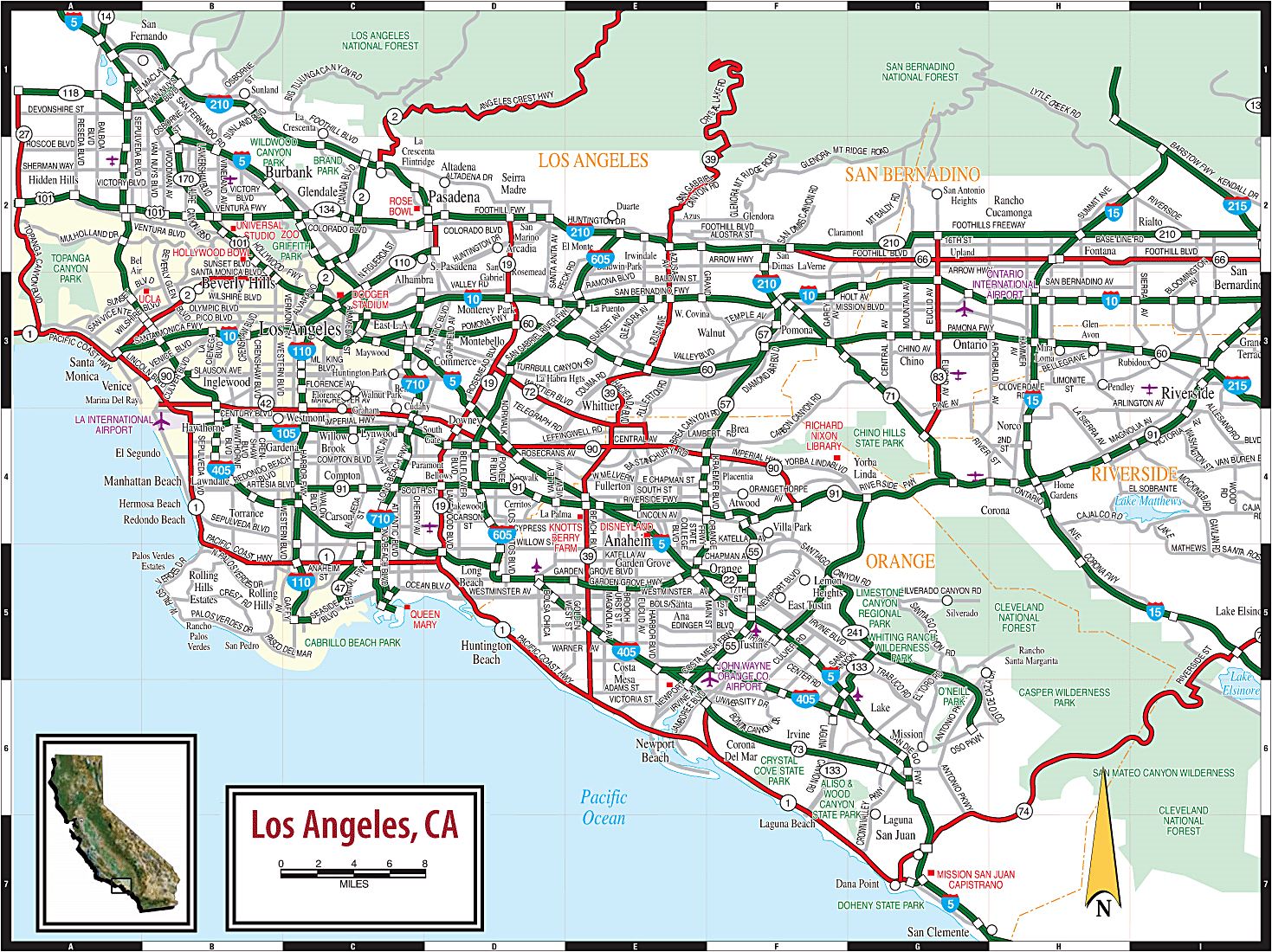
To further explore the intricate map of Los Angeles County’s cities, several digital tools are invaluable. Google Maps and Apple Maps are excellent for daily navigation and identifying city boundaries. For more detailed information, the Los Angeles County GIS Data Portal offers a wealth of official maps, including zoning, parcels, and district boundaries. Finally, for navigating the region via public transit, the LA Metro website provides comprehensive maps of its extensive bus and rail system, which connects dozens of cities across the county.
Conclusion: Mastering the Metropolis
The map of Los Angeles County cities is far more than a simple geographical layout; it’s a guide to one of the world’s most complex and vibrant metropolitan areas. From the urban core of Central LA to the quiet suburbs of the Santa Clarita Valley, the county is a patchwork of 88 distinct cities and diverse regions. Understanding this structure is essential for anyone looking to live, work, or visit. By recognizing the boundaries, regions, and unique identities within this sprawling landscape, one can begin to truly master the metropolis and appreciate the incredible diversity that defines Los Angeles County.