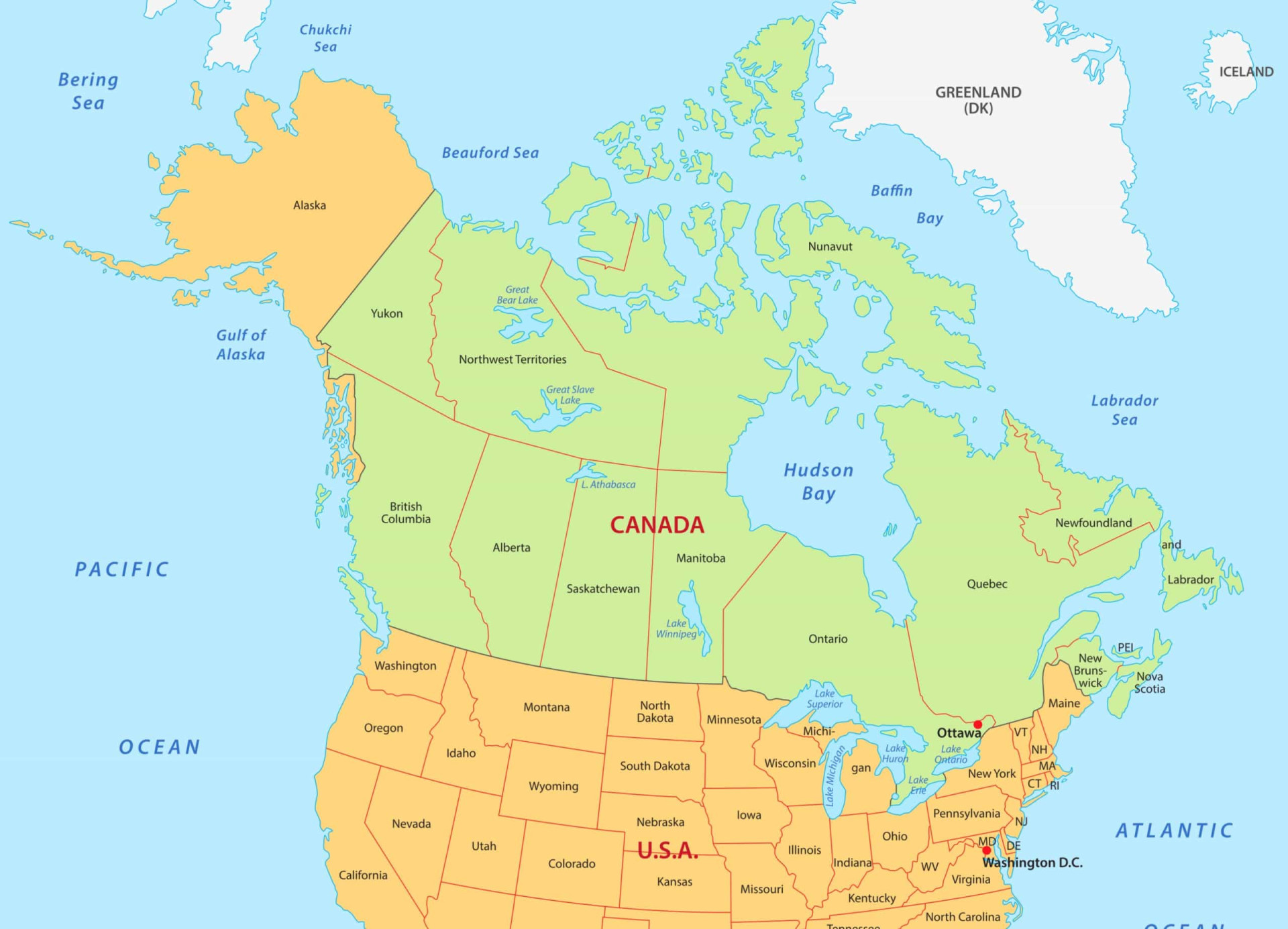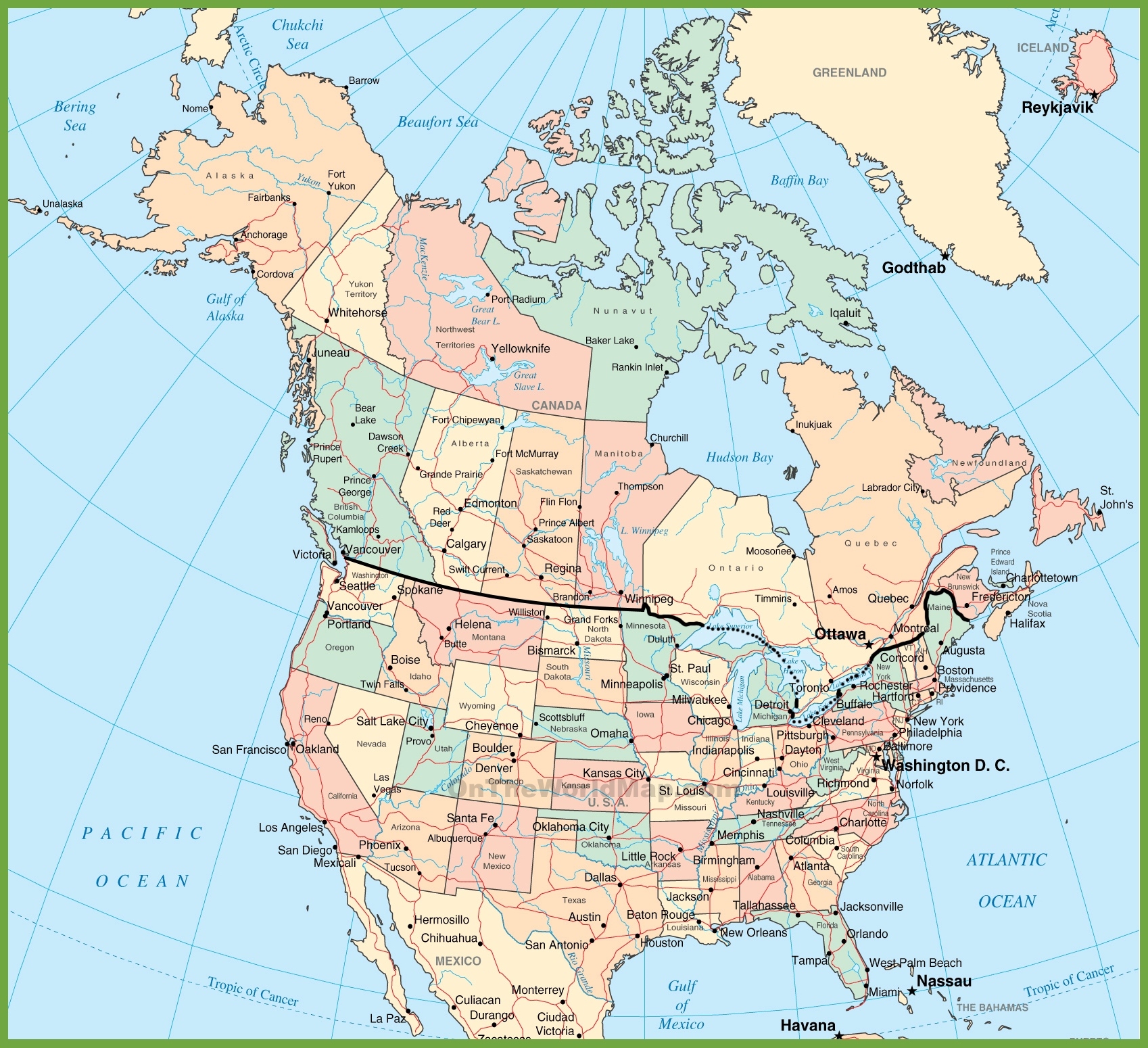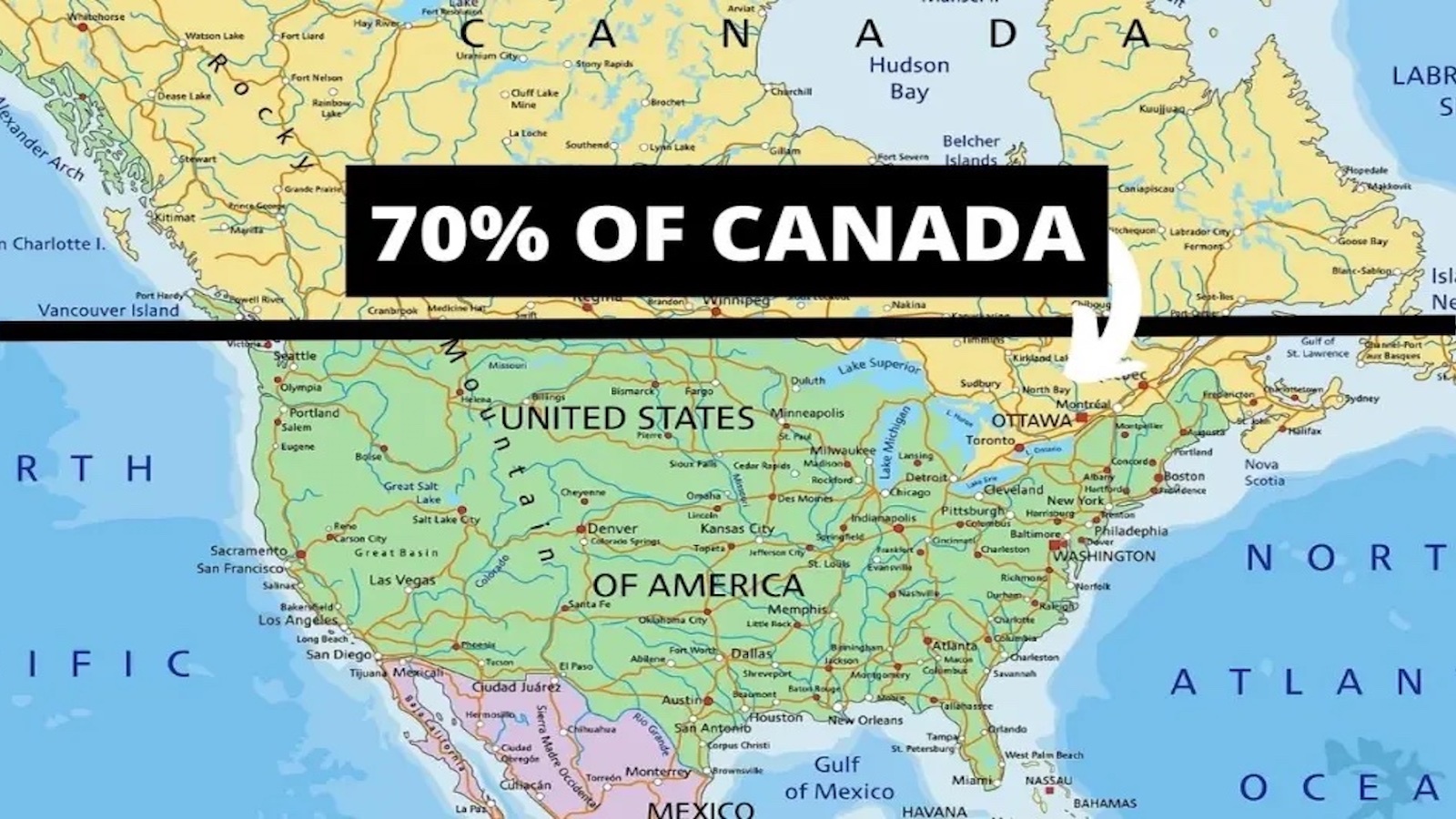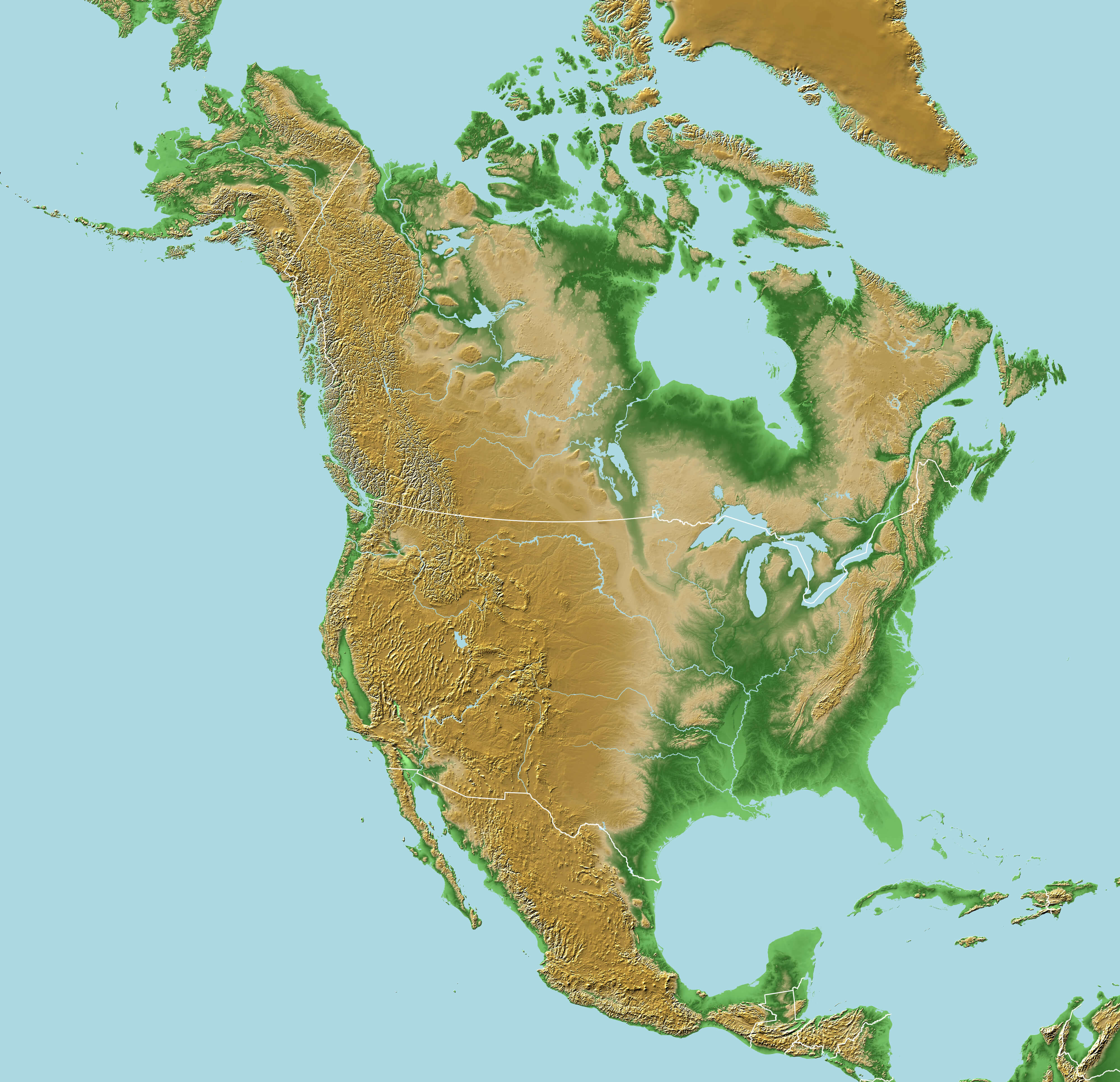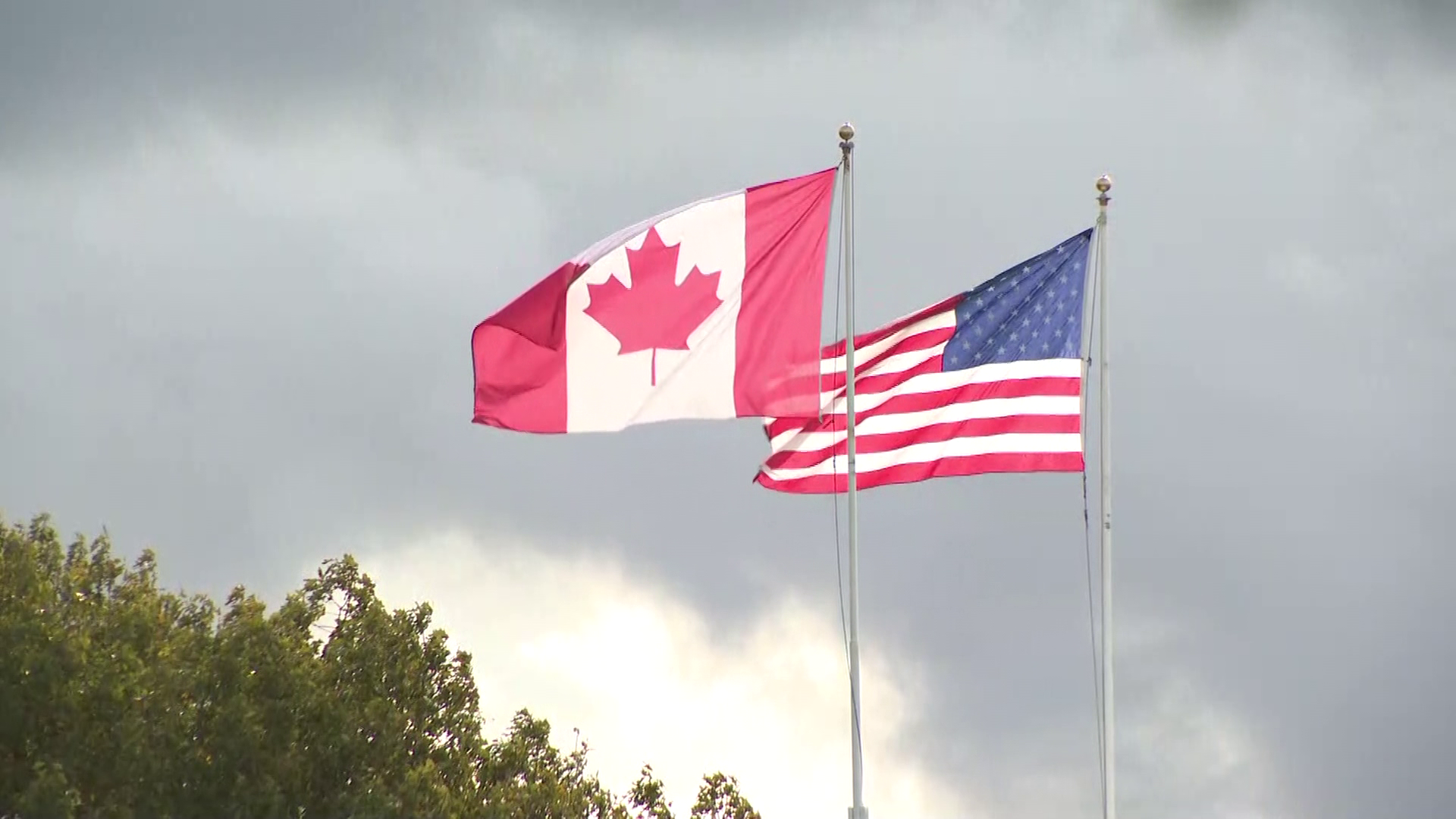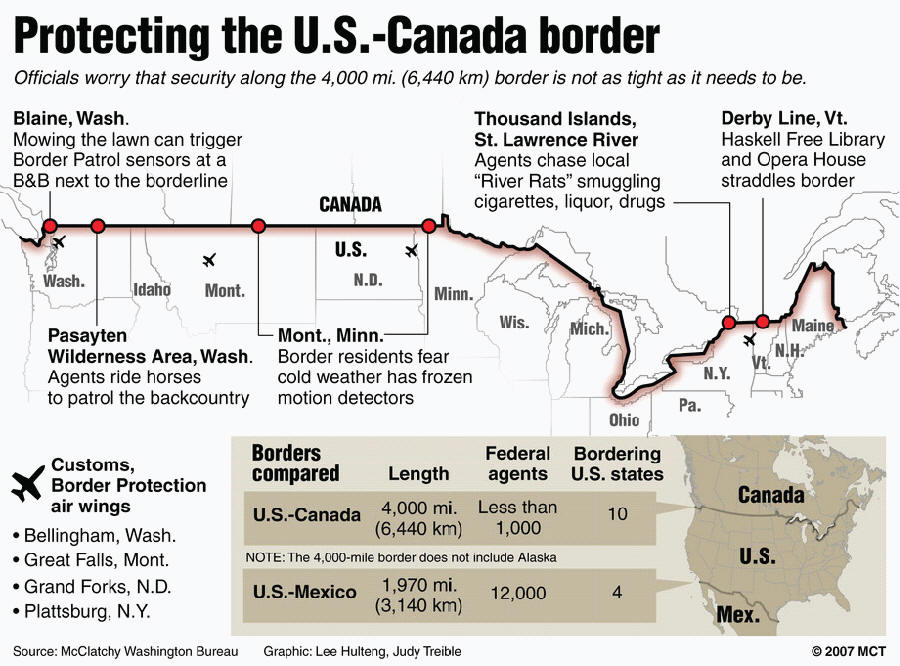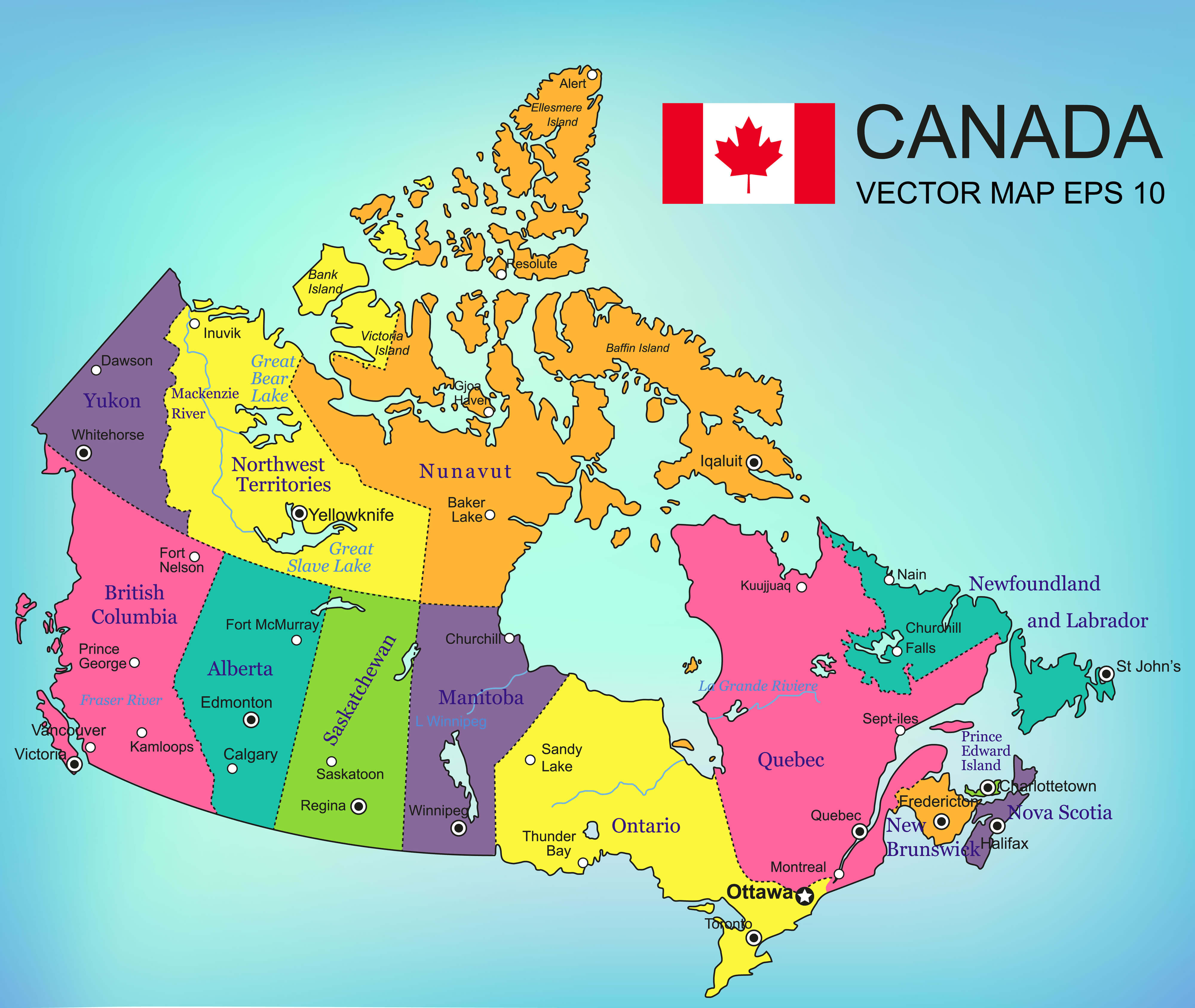
This extensive boundary is not a single, monolithic line, but rather a series of segments. The majority, approximately 6,416 kilometers (3,987 miles), separates Canada from the contiguous United States. The remaining 2,475 kilometers (1,538 miles) forms the border between Canada and Alaska. It traverses diverse landscapes, from bustling urban centers to remote wilderness, including the Great Lakes and the Rocky Mountains.
Historically, the establishment of this border evolved over centuries through a series of treaties and agreements. Key milestones include the Treaty of Paris in 1783, which ended the American Revolutionary War and defined the initial boundary, and the Webster-Ashburton Treaty of 1842, which settled significant disputes in Maine and Minnesota. The Oregon Treaty of 1846 established the 49th parallel as the boundary west of the Rockies.
The concept of an ‘undefended’ border is a powerful symbol of the relationship between the two nations. While heavily managed and monitored, it lacks the extensive fortifications and military presence seen on many other global borders. This mutual trust and cooperation are cornerstones of bilateral relations, facilitating immense cross-border movement of people and goods.
However, ‘undefended’ does not mean ‘uncontrolled.’ Both countries maintain robust border security agencies, including U.S. Customs and Border Protection (CBP) and the Canada Border Services Agency (CBSA). These agencies are responsible for managing lawful trade and travel, enforcing immigration laws, and interdicting illegal goods and activities.
For travelers, crossing the Canada-USA border requires specific documentation. U.S. citizens typically need a valid U.S. passport, passport card, or enhanced driver’s license (EDL) when entering Canada. Canadian citizens require similar documentation to enter the U.S. It is essential to check the latest requirements with official government sources before travel, as regulations can change.
When entering the United States from Canada, travelers will encounter CBP officers. They will ask questions about the purpose of your visit, your intended stay, and the goods you are bringing. Be prepared to declare any items and answer truthfully. Similar procedures apply when entering Canada with CBSA officers.
Entering Canada from the U.S. involves interaction with CBSA. Officers will inquire about your citizenship, the reason for your visit, and the duration of your stay. Providing accurate information and having the necessary travel documents is paramount to a smooth crossing.
For U.S. citizens planning a trip to Canada, the requirements are straightforward for tourism. A valid U.S. passport is the most common and recommended document. For longer stays or specific purposes, additional documentation or visas might be necessary. Always consult official Canadian immigration websites.
Canadian citizens entering the U.S. for tourism also require appropriate identification. A passport is standard, but depending on the mode of travel and frequency of visits, other documents like an NEXUS card or an EDL might be acceptable. Understanding the specific requirements for your situation is key.
The economic implications of the Canada-USA border are staggering. It is the largest trading relationship in the world, with billions of dollars in goods and services crossing daily. This includes everything from automobiles and energy products to agricultural goods and manufactured components.
Cross-border trade is facilitated by various agreements, most notably the North American Free Trade Agreement (NAFTA) and its successor, the United States-Mexico-Canada Agreement (USMCA). These pacts aim to reduce trade barriers and promote economic integration, making the border a conduit for prosperity.
The movement of people is equally significant. Millions of legal residents, citizens, and tourists cross the border each year for work, family visits, and leisure. Commuter patterns, especially in border towns, are a daily reality for many.
Border towns and cities often develop unique identities, shaped by their proximity to the neighboring country. Communities like Windsor, Ontario, and Detroit, Michigan, or Blaine, Washington, and Surrey, British Columbia, exhibit a blend of cultures and economies influenced by their cross-border connections.
The geography of the border presents unique challenges. The sheer length means extensive patrols are required. In remote areas, the border can be difficult to monitor, leading to concerns about smuggling and illegal crossings, though these are often less prevalent than in other global contexts.
The Great Lakes region, where the border snakes through a series of freshwater bodies, requires specific maritime border management. Patrols and surveillance are conducted on and around these vital waterways.
The Rocky Mountains also present a dramatic and often remote section of the border. Here, the terrain itself acts as a natural barrier, but monitoring is still essential to ensure security.
For those who travel frequently between the two countries, programs like NEXUS offer expedited clearance. NEXUS is a trusted traveler program that allows pre-approved, low-risk travelers to use dedicated lanes at border crossings, significantly reducing wait times.
Understanding what you can and cannot bring across the border is crucial. Restrictions often apply to items such as firearms, certain agricultural products, and large amounts of currency. It is always advisable to check the official websites of CBP and CBSA for detailed lists of prohibited and restricted items.
The wildlife along the border also benefits from the relative lack of development in some remote areas. While human activity is managed, vast tracts of natural habitat span both sides, supporting diverse ecosystems.
The cultural exchange across the border is rich and multifaceted. Music, film, literature, and cuisine from both Canada and the U.S. influence each other, creating a shared North American identity in many respects.
Language is another interesting aspect. While English is dominant on both sides, French is an official language in Canada, and its presence is felt in border regions like Quebec and New Brunswick. Conversely, Spanish influences border communities in the U.S.
The infrastructure supporting the border includes numerous official ports of entry. These range from major international airports and bustling highway crossings to smaller, more remote land crossings. Each port is staffed by officers from both countries’ respective agencies.
The history of border disputes, though largely resolved, is a part of the narrative. The Aroostook War (a bloodless dispute over the Maine-New Brunswick border) and the Pig War (a territorial dispute between the U.S. and British North America over San Juan Island) are historical examples.
Security concerns, particularly post-9/11, have led to increased cooperation and information sharing between Canadian and U.S. security agencies. This collaboration is vital for national security on both sides.
The environmental impact of border management is also a consideration. Efforts are made to minimize disruption to ecosystems, particularly in sensitive areas like national parks that straddle the boundary.
For individuals considering living or working near the border, understanding immigration policies and visa requirements for both countries is essential. This is a complex area governed by specific laws and regulations.
The Canada-USA border is more than just a line on a map; it is a dynamic zone of interaction, cooperation, and managed security that underpins one of the world’s most important bilateral relationships.
In conclusion, the Canada-USA border is a remarkable feature of the North American continent. Its immense length, historical evolution, and the ongoing management by dedicated agencies highlight the unique bond between two sovereign nations. Whether for travel, trade, or understanding geopolitics, exploring this border offers a fascinating glimpse into the complexities and cooperation that define North America.