Understanding the Arizona Landscape
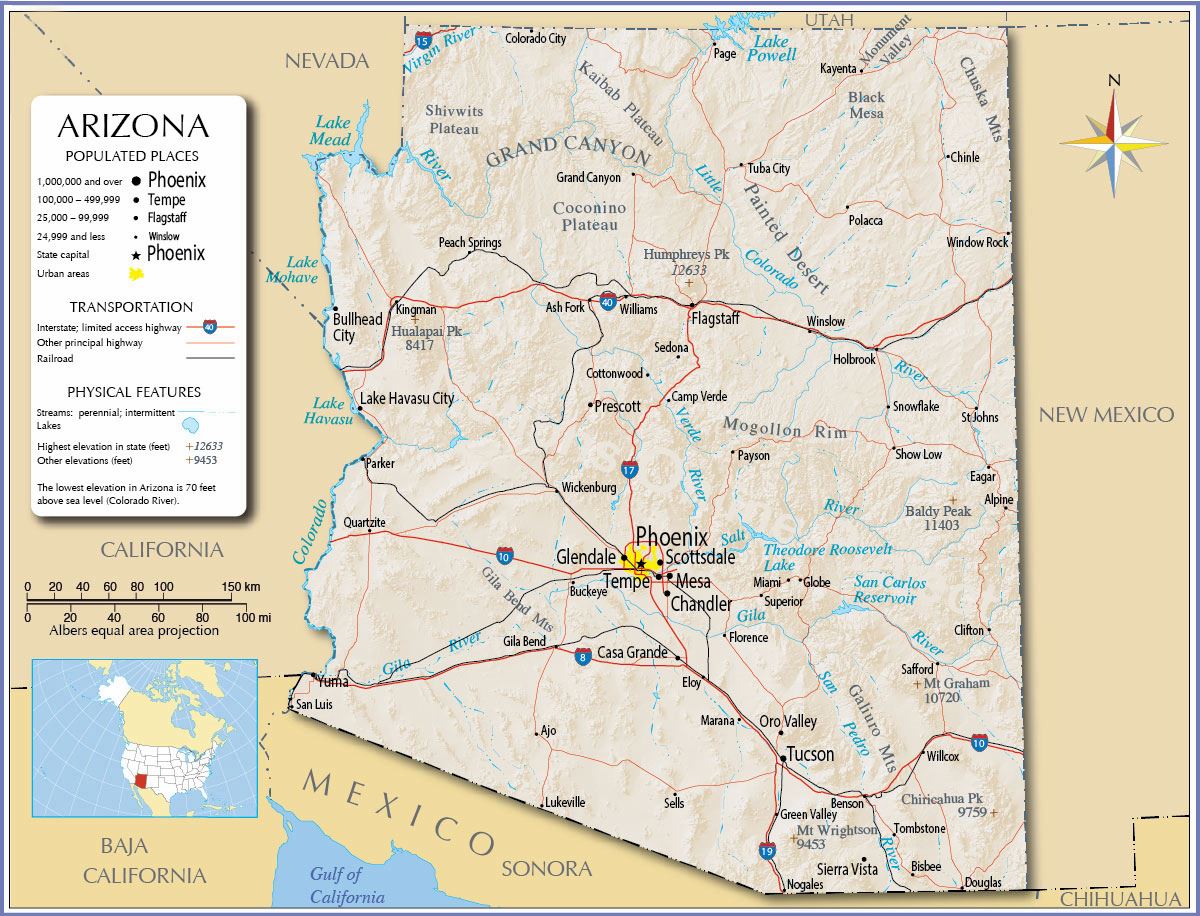
Arizona’s geography is diverse, ranging from arid deserts to mountainous forests. The Grand Canyon, located in the northern part of the state, is a major landmark and a focal point for many travelers. To effectively plan your journey, familiarize yourself with the major highways and cities in Arizona.
Major Cities and Highways
Phoenix, the state capital, is a common entry point for visitors. From Phoenix, you can take I-17 north towards Flagstaff, a gateway city to the Grand Canyon. Other important cities include Tucson in the south, known for its desert landscapes and cultural attractions, and Sedona, famous for its stunning red rock formations.
Major highways include I-10, which runs east-west through the southern part of the state, and I-40, which crosses northern Arizona. These highways connect various cities and provide access to different regions of the state.
Planning Your Route to the Grand Canyon
Choosing the right route to the Grand Canyon is essential for a smooth journey. The most common entry points are the South Rim and the North Rim, each offering unique experiences.
South Rim vs. North Rim
The South Rim is open year-round and is the most accessible part of the Grand Canyon. It features numerous viewpoints, visitor centers, and lodging options. The North Rim, on the other hand, is open seasonally (typically from mid-May to mid-October) and offers a more remote and less crowded experience. It boasts higher elevations and lush forests.
Driving Directions from Major Cities
From Phoenix: Take I-17 north to Flagstaff, then US-180 north to the South Rim. The drive is approximately 3.5 to 4 hours.
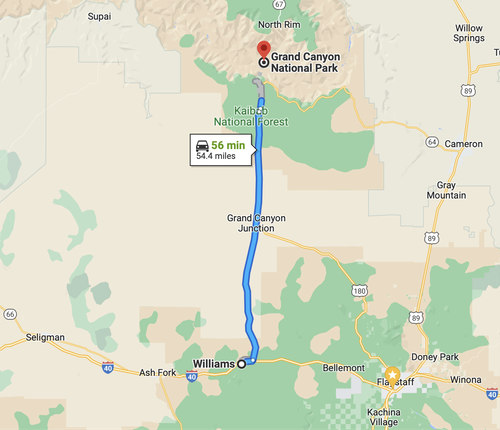
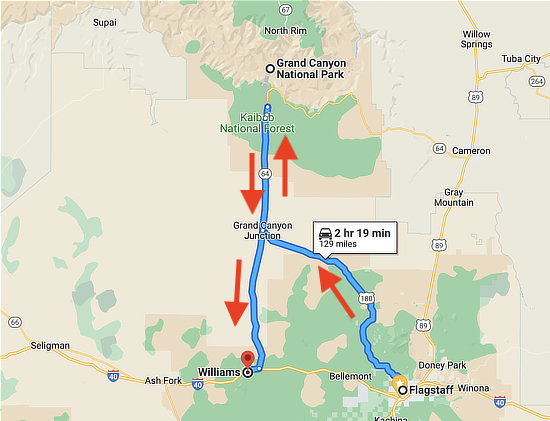
From Las Vegas: Drive south on US-93 to Kingman, then east on I-40 to Williams, and north on AZ-64 to the South Rim. The drive is about 4 to 4.5 hours.
From Flagstaff: Take US-180 or US-89 north to the South Rim. The drive is roughly 1.5 to 2 hours.
Must-See Viewpoints at the Grand Canyon
South Rim Viewpoints
- Mather Point: Located near the South Rim Visitor Center, Mather Point offers panoramic views and is a great starting point for your visit.
- Yavapai Point: Home to the Yavapai Geology Museum, this viewpoint provides insights into the canyon’s geological history.
- Grandview Point: As the name suggests, Grandview Point offers expansive views and is a popular spot for sunrise and sunset.
- Desert View Watchtower: Located at the eastern end of the South Rim, the Desert View Watchtower offers stunning views and a glimpse into the canyon’s cultural history.
North Rim Viewpoints
- Bright Angel Point: A short, paved trail leads to this iconic viewpoint, offering breathtaking views of Bright Angel Canyon.
- Cape Royal: Located at the southernmost point of the North Rim, Cape Royal provides panoramic views and is a great spot for stargazing.
- Point Imperial: The highest viewpoint on the North Rim, Point Imperial offers views of the eastern Grand Canyon and the Painted Desert.
Exploring Beyond the Grand Canyon: Nearby Attractions
While the Grand Canyon is the main attraction, Arizona offers many other incredible destinations worth exploring.
Sedona’s Red Rock Country
Located about 2 hours south of the Grand Canyon, Sedona is famous for its stunning red rock formations, hiking trails, and spiritual vortexes. Popular attractions include Cathedral Rock, Bell Rock, and the Chapel of the Holy Cross.
Antelope Canyon and Horseshoe Bend
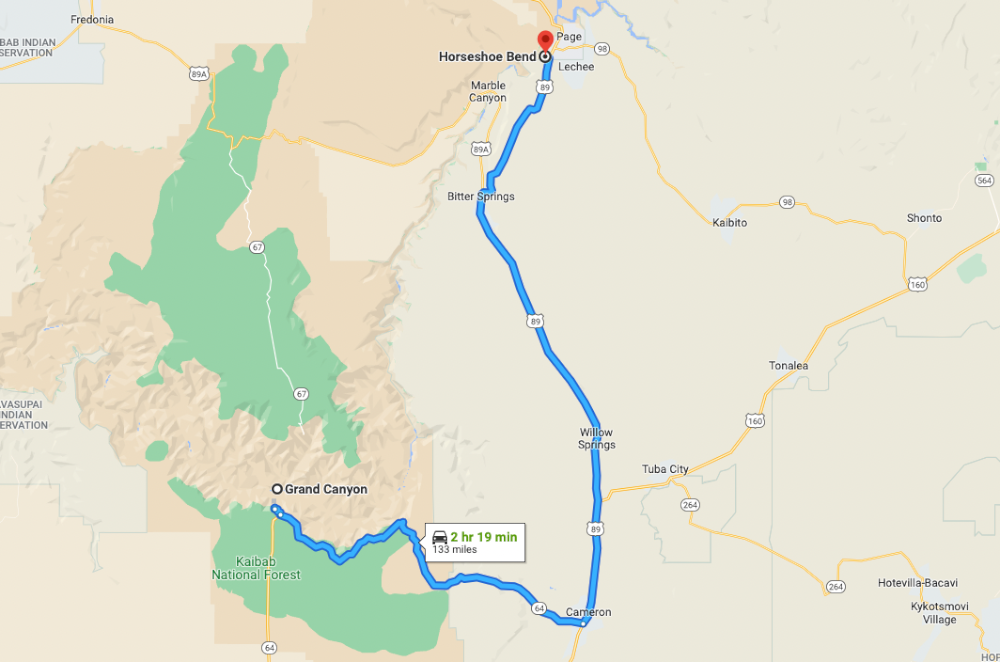
Located near Page, Arizona, Antelope Canyon is a slot canyon known for its surreal beauty and photographic opportunities. Horseshoe Bend, a dramatic bend in the Colorado River, is another must-see attraction in the area.
Monument Valley
Located on the Arizona-Utah border, Monument Valley is a landscape of towering sandstone buttes and mesas. It’s a popular destination for photography and Native American cultural experiences.
Essential Travel Tips for Visiting the Grand Canyon
Weather Considerations
Arizona’s weather can be extreme, with hot summers and cold winters. Check the forecast before you go and pack accordingly. During the summer, temperatures at the South Rim can reach over 80°F (27°C), while the North Rim is generally cooler due to its higher elevation. In the winter, temperatures can drop below freezing, and snow is common.
Hydration and Sun Protection
Staying hydrated is crucial, especially during the warmer months. Carry plenty of water and drink regularly. Protect yourself from the sun with sunscreen, a hat, and sunglasses.
Altitude Awareness
The Grand Canyon’s South Rim is at an elevation of around 7,000 feet (2,134 meters), while the North Rim is even higher. Altitude sickness can be a concern for some visitors. Take it easy on your first day, avoid strenuous activities, and drink plenty of water.
Reservations and Permits
If you plan to stay overnight in the park, make reservations well in advance, especially during peak season. Permits are required for backcountry camping and certain activities.
Safety Precautions
Stay on marked trails and be aware of your surroundings. The Grand Canyon is a natural environment, and hazards such as wildlife, steep cliffs, and uneven terrain exist. Keep a safe distance from the edge and supervise children closely.
Utilizing Arizona Maps for Effective Navigation
Having access to reliable Arizona maps, both physical and digital, can greatly enhance your travel experience. These maps provide valuable information on routes, landmarks, and points of interest.
Physical Maps
A physical Arizona road map is a useful tool, especially in areas with limited cell service. These maps offer a comprehensive overview of the state’s highways, cities, and attractions, allowing you to plan your route effectively.
Digital Maps and Apps
Digital maps and navigation apps, such as Google Maps, Apple Maps, and Waze, can provide real-time traffic updates, turn-by-turn directions, and information on nearby services. However, it’s important to note that cell service can be unreliable in some areas of the Grand Canyon and surrounding regions. Download offline maps before you go to ensure you can navigate even without a connection.
Grand Canyon National Park Maps
The National Park Service provides detailed maps of the Grand Canyon, highlighting trails, viewpoints, visitor centers, and other important features. These maps are available at visitor centers and online, and they are an essential resource for exploring the park.
The Future of Grand Canyon Tourism
As tourism to the Grand Canyon continues to grow, sustainable practices and responsible travel are becoming increasingly important. Efforts are being made to minimize the environmental impact of tourism and preserve the natural beauty of the canyon for future generations.
Sustainable Tourism Initiatives
The National Park Service is implementing various sustainable tourism initiatives, such as promoting the use of public transportation, encouraging visitors to reduce their waste, and educating them about the importance of conservation.
Responsible Travel Practices
Visitors can also play a role in promoting sustainable tourism by following Leave No Trace principles, respecting wildlife, and supporting local businesses that prioritize environmental stewardship.
Conclusion
Navigating the Arizona map to experience the Grand Canyon is an adventure filled with breathtaking views and unforgettable moments. By understanding the state’s geography, planning your route carefully, and utilizing available resources, you can ensure a safe and enriching trip. Remember to stay hydrated, protect yourself from the elements, and respect the natural environment. Whether you’re exploring the South Rim, venturing to the North Rim, or discovering nearby attractions like Sedona and Antelope Canyon, Arizona offers a wealth of experiences that will leave you in awe of its natural beauty.
The Grand Canyon is more than just a destination; it’s a journey into the heart of nature’s grandeur. So, grab your Arizona map, pack your bags, and get ready to explore one of the world’s most magnificent wonders.
Embark on your Arizona adventure today!