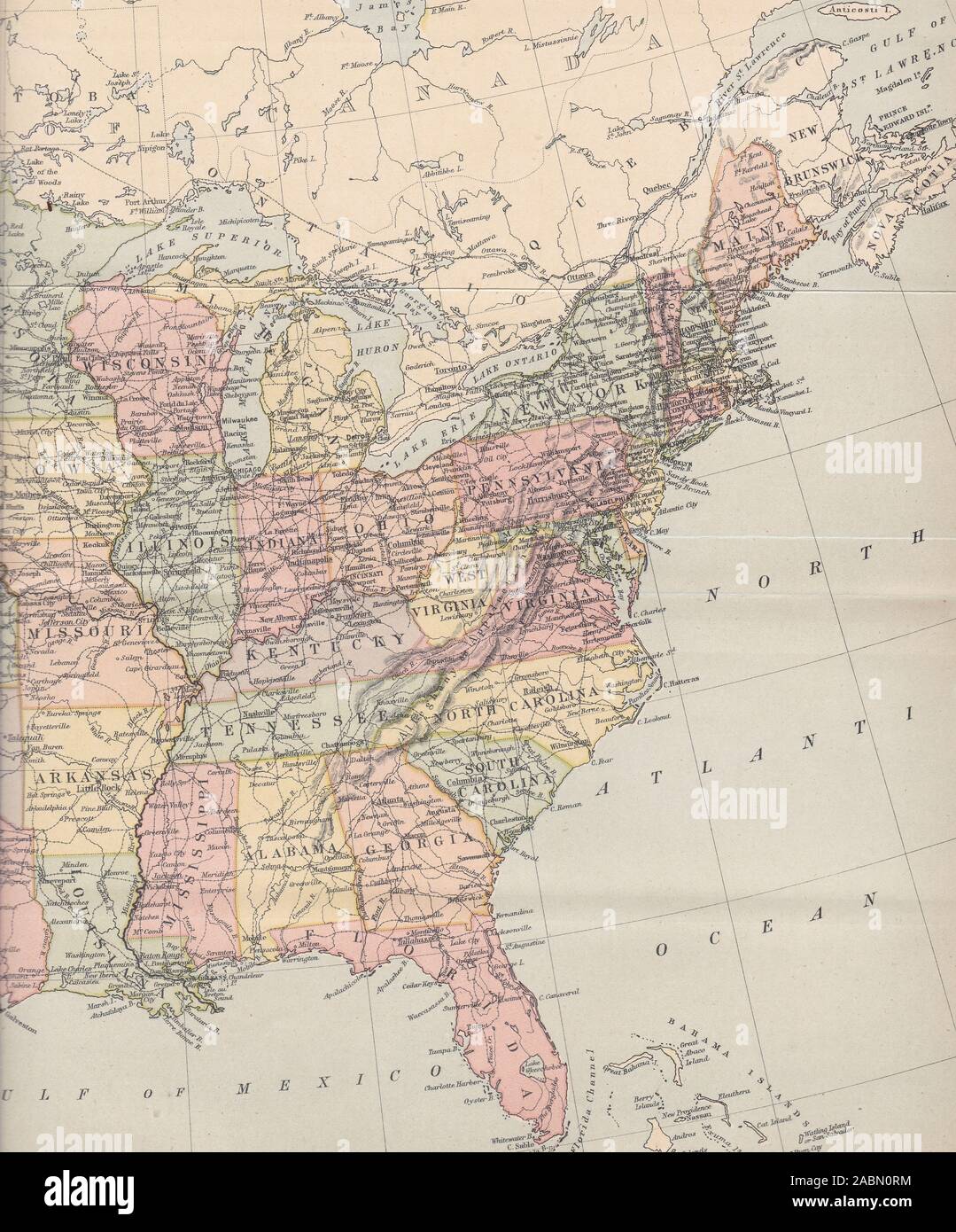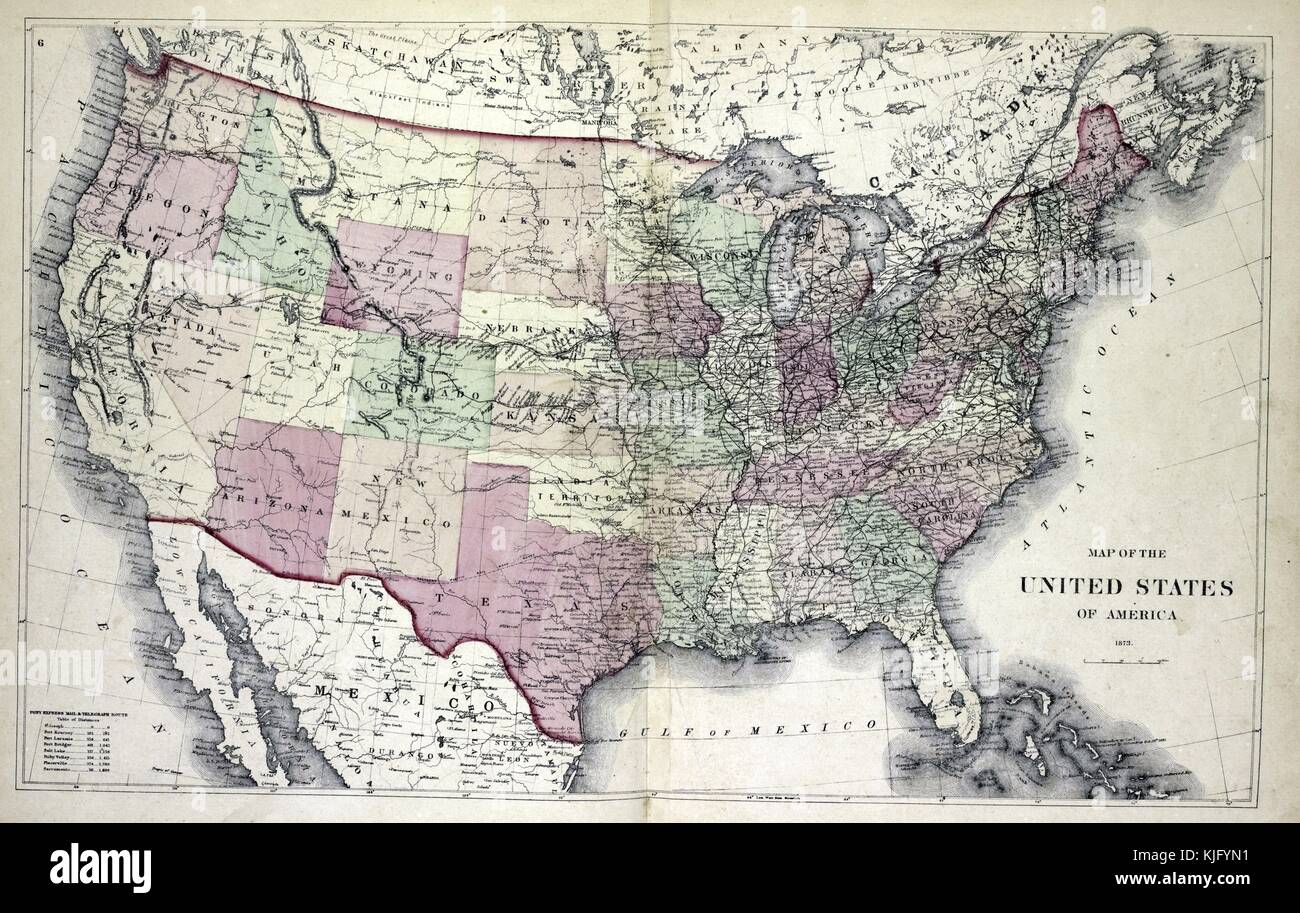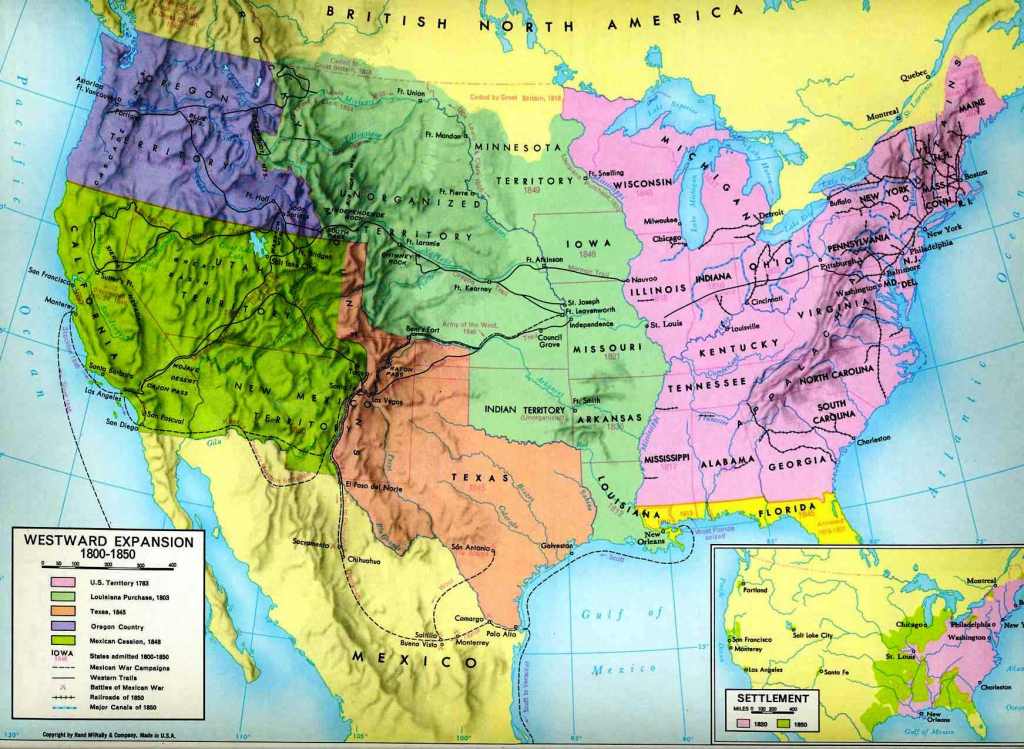
This article will serve as your comprehensive guide to the United States as it stood in 1800, detailing its geographical boundaries, demographic makeup, political climate, and the underlying forces that were already setting the stage for future transformations. Join us as we journey back in time to uncover the intricacies of this nascent republic.
The United States in 1800: A Nation in Formation
At the dawn of the 19th century, the United States was a young republic, barely two decades removed from its declaration of independence. Its boundaries, while expanding, were still largely confined east of the Mississippi River, with significant portions of its claimed territory remaining unsettled or under the nominal control of Native American nations.
The Geographic Extent
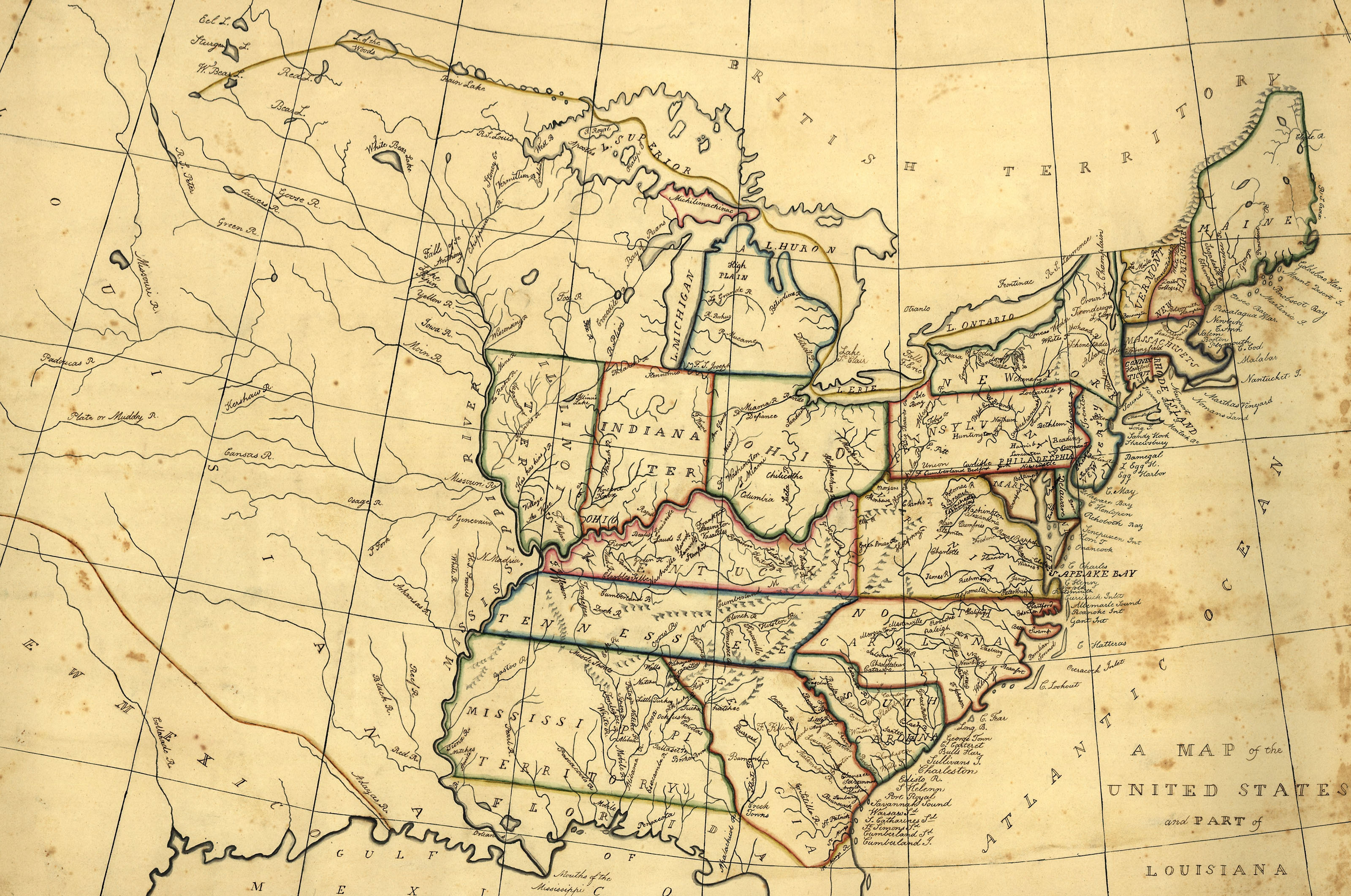
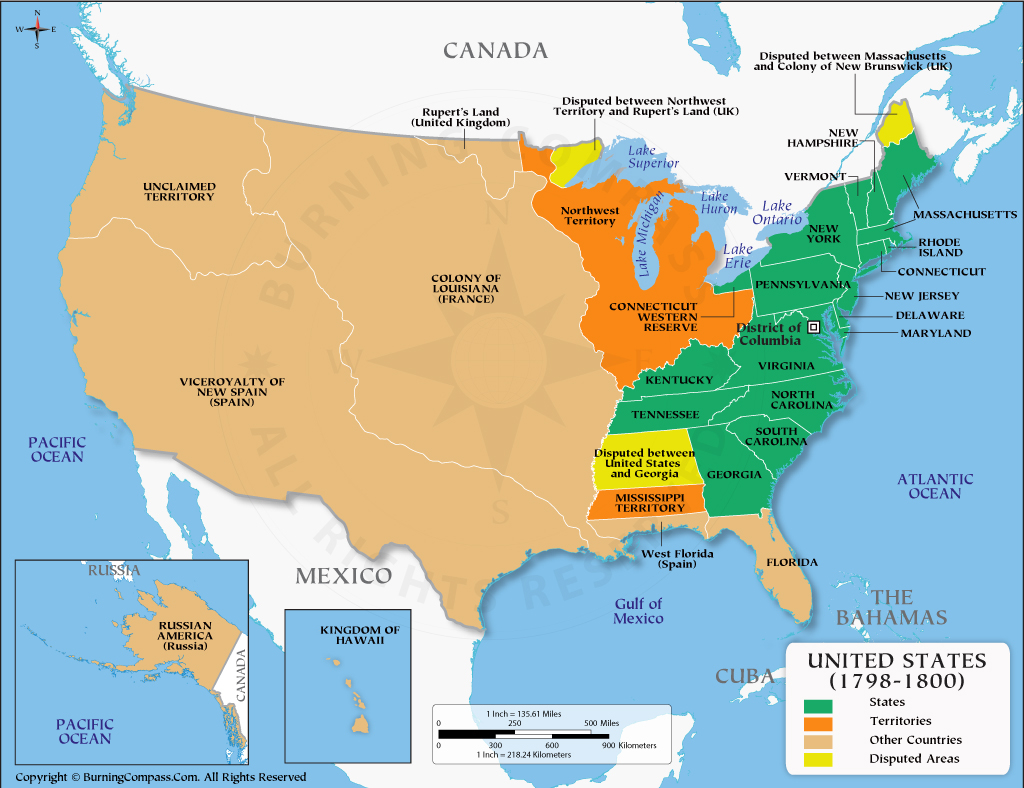
The United States in 1800 officially comprised 16 states. The original thirteen colonies had been joined by Vermont (1791), Kentucky (1792), and Tennessee (1796). Beyond these states, vast tracts of land were organized into territories, notably the Northwest Territory and the Mississippi Territory, marking the relentless push of westward expansion.
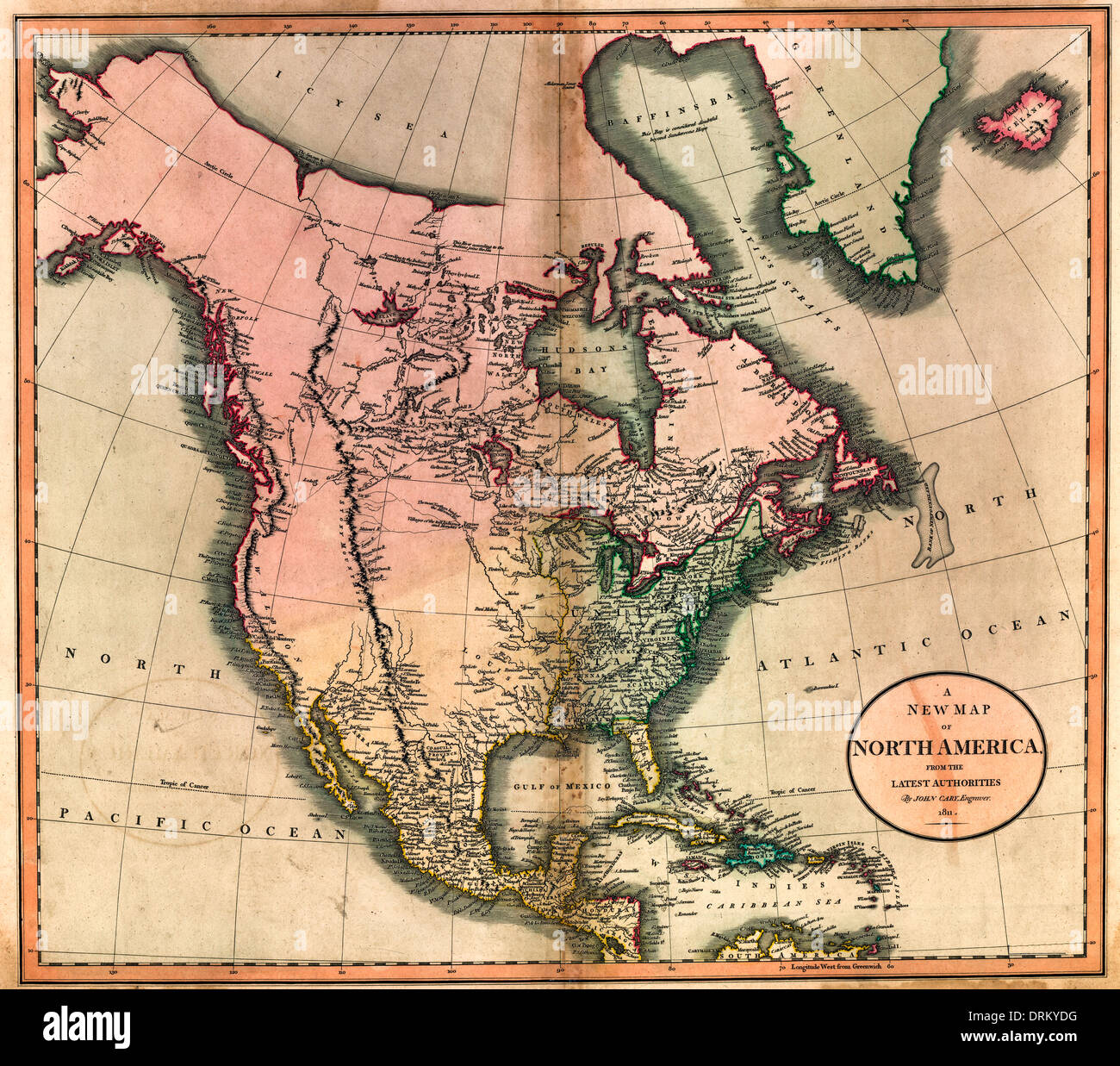
The nation’s western border largely followed the Mississippi River, a critical waterway for trade and transportation. To the south, Spanish Florida and the vast French territory of Louisiana loomed large, significantly influencing American foreign policy and expansionist ambitions.
Key States and Territories
- States: Connecticut, Delaware, Georgia, Kentucky, Maryland, Massachusetts, New Hampshire, New Jersey, New York, North Carolina, Pennsylvania, Rhode Island, South Carolina, Tennessee, Vermont, Virginia.
- Northwest Territory: This extensive region, encompassing present-day Ohio, Indiana, Illinois, Michigan, Wisconsin, and part of Minnesota, was slowly being organized for statehood under the Northwest Ordinance of 1787.
- Mississippi Territory: Created in 1798, it covered much of what is now Alabama and Mississippi, representing the southern frontier.
- Unorganized Territories: Beyond these, vast areas west of the Mississippi were still largely unmapped by American authorities and recognized as Native American lands or under foreign claim.
Population and Demographics
The 1800 US Census recorded a population of approximately 5.3 million people. This was a relatively small population for such a vast landmass, indicating a nation still very much in its formative stages. The vast majority of the population, around 95%, resided east of the Appalachian Mountains, primarily along the Atlantic seaboard.
Demographically, the population was a complex mix. European descendants, predominantly of British, Irish, and German origin, formed the largest group. Enslaved Africans constituted a significant portion, roughly 900,000 individuals, primarily concentrated in the Southern states, where their labor was central to the agricultural economy. Native American populations, though numerous, were largely excluded from official census counts and faced increasing pressure on their ancestral lands.
Political Landscape and Governance
The year 1800 was a watershed moment in American politics, marked by a fiercely contested presidential election that would usher in a new era.
Federal vs. State Power
The young republic was still grappling with the balance of power between the federal government and individual states. Debates over states’ rights, federal authority, and the interpretation of the Constitution were central to political discourse, shaping legislative actions and judicial decisions.
The Federalist Party, led by figures like John Adams and Alexander Hamilton, advocated for a strong central government, while the Democratic-Republican Party, headed by Thomas Jefferson and James Madison, championed states’ rights and agrarian interests. These ideological divisions were deeply etched onto the political map of the era.
The Presidency of John Adams and Thomas Jefferson’s Ascent
John Adams, a Federalist, was nearing the end of his single term as president. His administration had been marked by foreign policy challenges, notably with France, and domestic controversies like the Alien and Sedition Acts. The election of 1800, often called the ‘Revolution of 1800,’ saw Thomas Jefferson’s Democratic-Republicans triumph, signaling a shift towards a more agrarian, less centralized vision for the nation.
This peaceful transfer of power, despite intense partisan animosity, was a testament to the strength of the nascent American democratic system and a crucial moment for the young republic’s stability.
Territorial Administration
The governance of new territories was a critical aspect of the 1800 map. The Northwest Ordinance of 1787 provided a blueprint for how these lands would be settled, governed, and eventually admitted as states on an equal footing with the original thirteen. This foresight prevented the creation of a colonial empire within the republic and ensured orderly expansion.
Life on the Frontier: Challenges and Opportunities
The frontier, particularly west of the Appalachians, represented both immense opportunity and formidable challenges for American settlers.
Westward Expansion and Settlement Patterns
Driven by the promise of cheap land and new beginnings, thousands of settlers streamed westward. Major routes like the Wilderness Road, pioneered by Daniel Boone, facilitated migration into Kentucky and Tennessee. These settlements were often isolated, self-sufficient, and faced constant threats from the untamed wilderness and, at times, from Native American resistance.
The patterns of settlement often followed river systems, which provided crucial transportation arteries and fertile land for agriculture. Communities were typically small, clustered around mills, trading posts, and nascent county seats.
Interaction with Native American Nations
The map of 1800 prominently features the lands of various Native American nations. Tribes such as the Cherokee, Choctaw, Chickasaw, Creek, and Shawnee held significant territories and maintained complex social and political structures. Relations with the United States were often fraught, characterized by a mix of treaties, land cessions, and escalating conflicts as American settlers encroached further onto indigenous lands.
The concept of ‘manifest destiny,’ though not yet coined, was already taking root, fueling the belief in American expansion across the continent, often at the expense of Native American sovereignty.
Major Cities and Infrastructure
While the nation was largely rural, several cities served as vital economic and political hubs. Philadelphia, though no longer the capital (which had recently moved to the nascent Washington D.C.), remained the largest city, a center of commerce, culture, and intellectual life. New York, Boston, and Charleston were also significant port cities, facilitating trade with Europe and the Caribbean.
Infrastructure was rudimentary by modern standards. Roads were often unpaved and difficult, making river travel and coastal shipping the primary means of long-distance transportation. The Erie Canal, a transformative project, was still decades away.
Economic Drivers of the Era
The American economy in 1800 was predominantly agrarian, but seeds of industrialization were beginning to sprout.
Agriculture as the Backbone
Agriculture was the bedrock of the economy. In the North, diversified farming of grains, dairy, and livestock predominated. The Southern economy was heavily reliant on cash crops like tobacco, rice, and particularly cotton, which was becoming increasingly profitable due to the invention of the cotton gin.
Emerging Industries and Trade
While limited, manufacturing was slowly developing, with small-scale mills producing textiles, flour, and other basic goods. Maritime trade was crucial, with American merchant ships traversing the Atlantic, engaging in both legitimate commerce and, at times, illicit activities due to ongoing European conflicts.
Slavery’s Pervasive Influence
Slavery was an undeniable and deeply entrenched part of the American economic system, especially in the South. The forced labor of enslaved people was integral to the profitability of plantation agriculture, creating immense wealth for some while perpetuating profound human suffering and a moral stain on the nation.
Anticipating Change: The Eve of the Louisiana Purchase
While the ‘map us 1800’ shows a nation confined largely east of the Mississippi, the forces that would dramatically redraw this map were already in motion.
The Mississippi River and New Orleans’ Strategic Importance
The control of the Mississippi River and the vital port of New Orleans, then under Spanish and soon French control, was a paramount concern for American leaders. Western farmers depended on this waterway to transport their produce to market, making access to New Orleans a matter of economic survival and national security.
French and Spanish Influence
Spain still held Florida and vast territories to the west, while France, under Napoleon Bonaparte, was secretly negotiating to reacquire Louisiana from Spain. These European powers’ presence on America’s borders created a complex diplomatic environment.
Seeds of Future Expansion
The desire for secure western borders, access to vital trade routes, and the ongoing push for more land would culminate just three years later in the monumental Louisiana Purchase of 1803, an event that would double the size of the United States and fundamentally alter its future trajectory. The 1800 map, therefore, serves as a prelude to this extraordinary expansion.
Understanding Historical Cartography: Reading the 1800 Map
Interpreting historical maps like the one from 1800 requires an understanding of the cartographic practices of the time.
Interpreting Historical Boundaries
Early American maps often depicted boundaries that were still in dispute or based on limited surveys. Rivers and mountain ranges served as primary geographical markers, and the precise delineation of state and territorial lines could sometimes be ambiguous or subject to future negotiation.
The Absence of Modern Detail
Unlike modern maps, which feature intricate road networks, detailed topological data, and precise city layouts, 1800 maps were simpler. They emphasized major waterways, significant settlements, and political divisions, reflecting the prevailing knowledge and technology of the era. They are invaluable primary sources for understanding how contemporaries perceived their world.
In conclusion, the ‘map us 1800’ offers a profound historical snapshot of a young, dynamic, and rapidly evolving nation. It reveals a United States still finding its footing, grappling with internal political divisions, expanding westward, and navigating complex relationships with Native American nations and European powers.
This map is more than just a geographical representation; it is a testament to the ambitions, challenges, and foundational decisions that would ultimately shape the sprawling continental power America would become. Understanding this era is essential for appreciating the journey of the United States from a collection of states to a global entity, with the year 1800 standing as a crucial waypoint in that remarkable transformation.