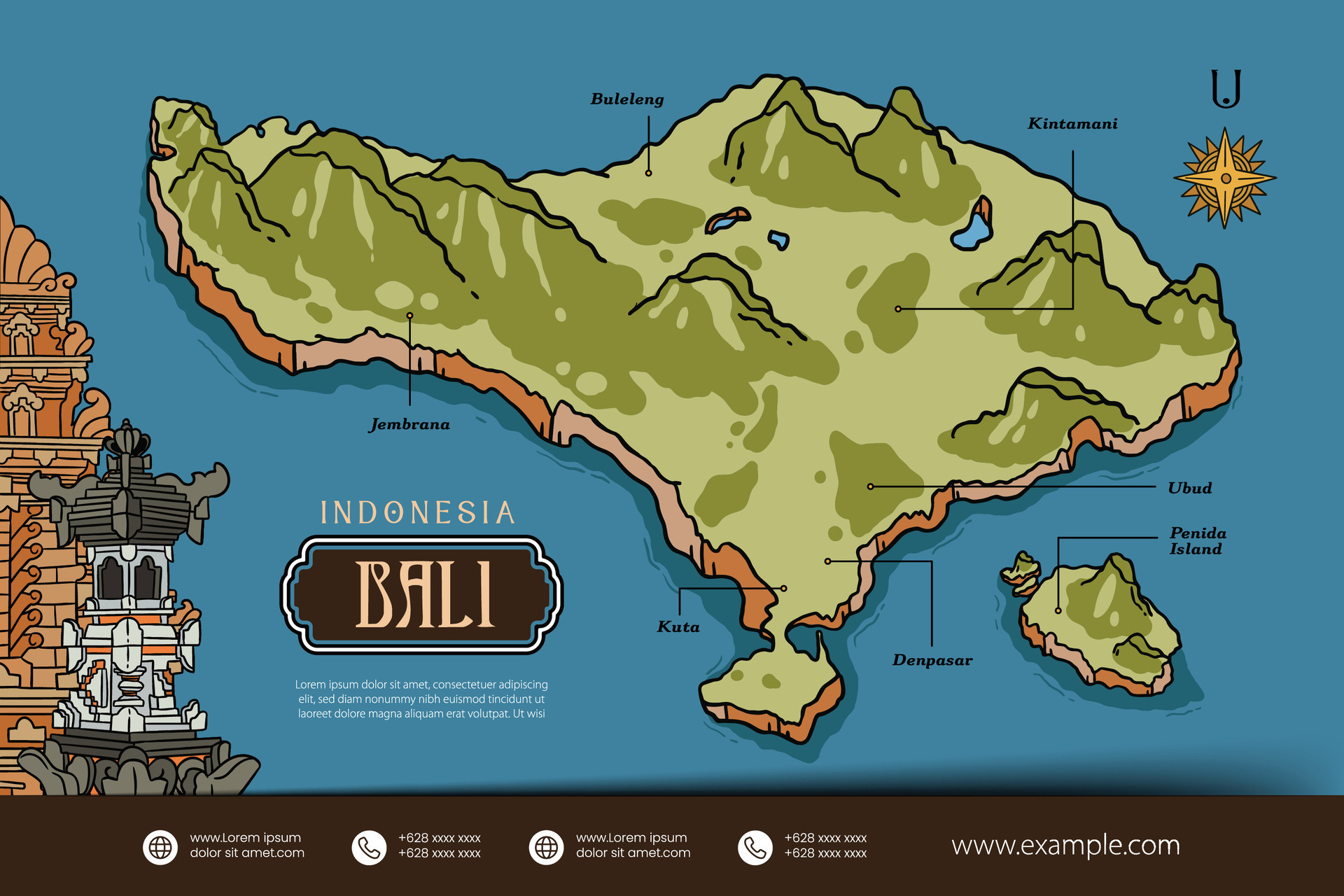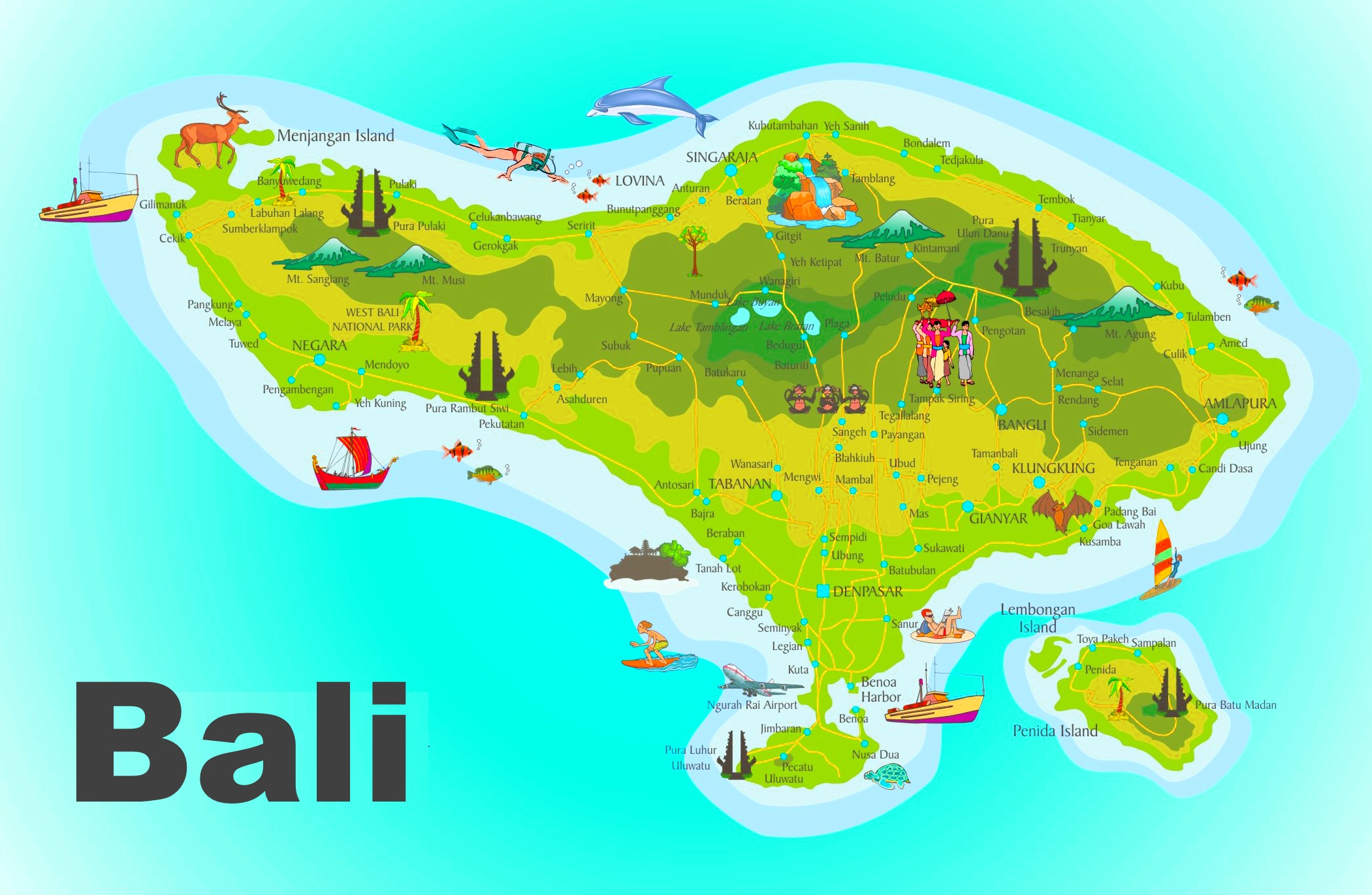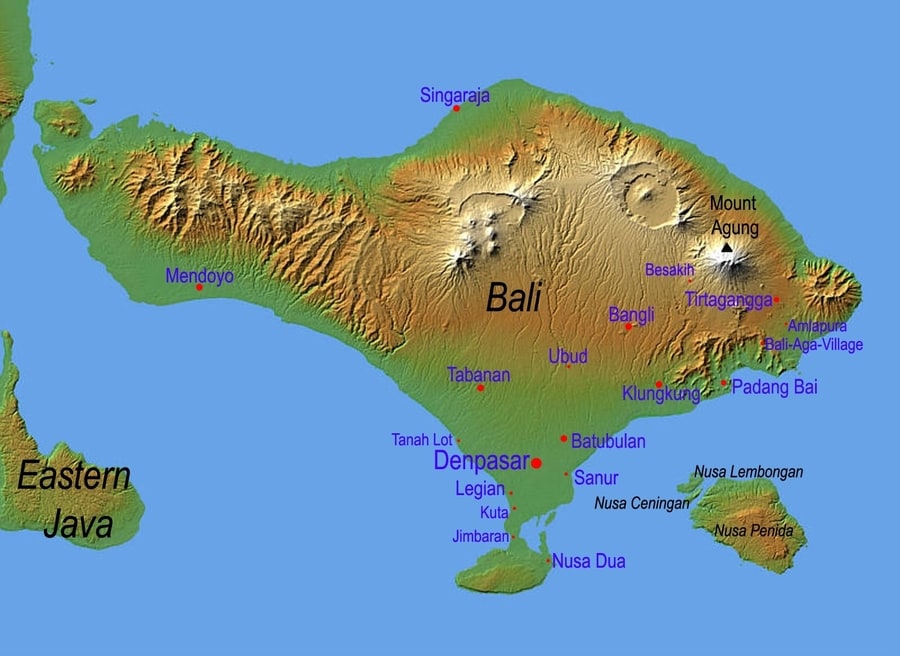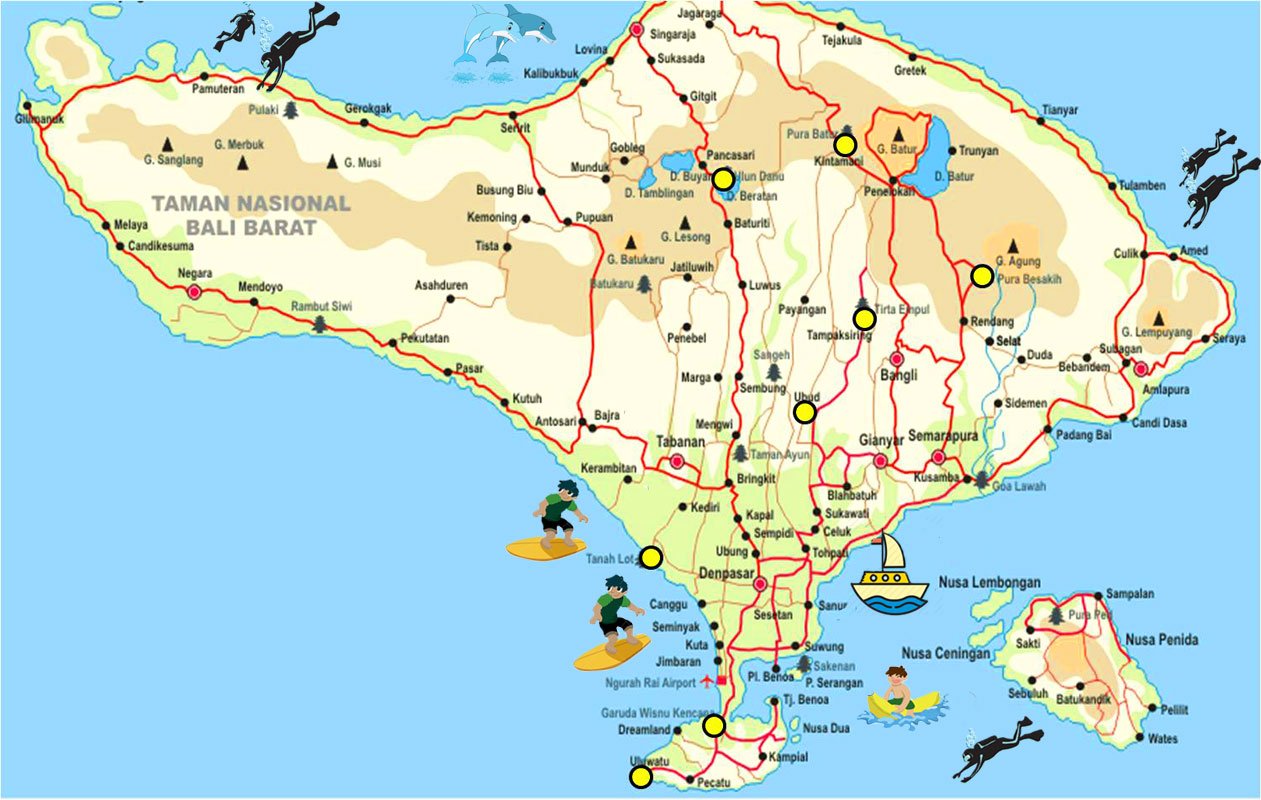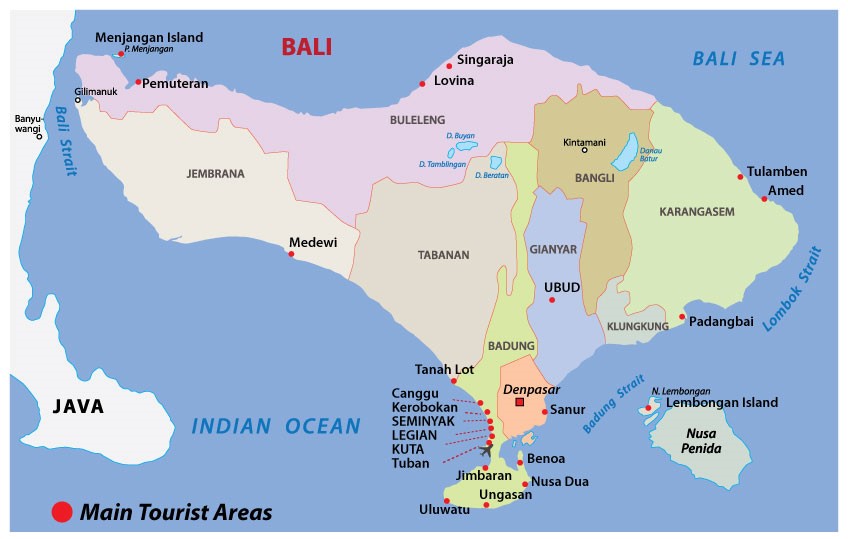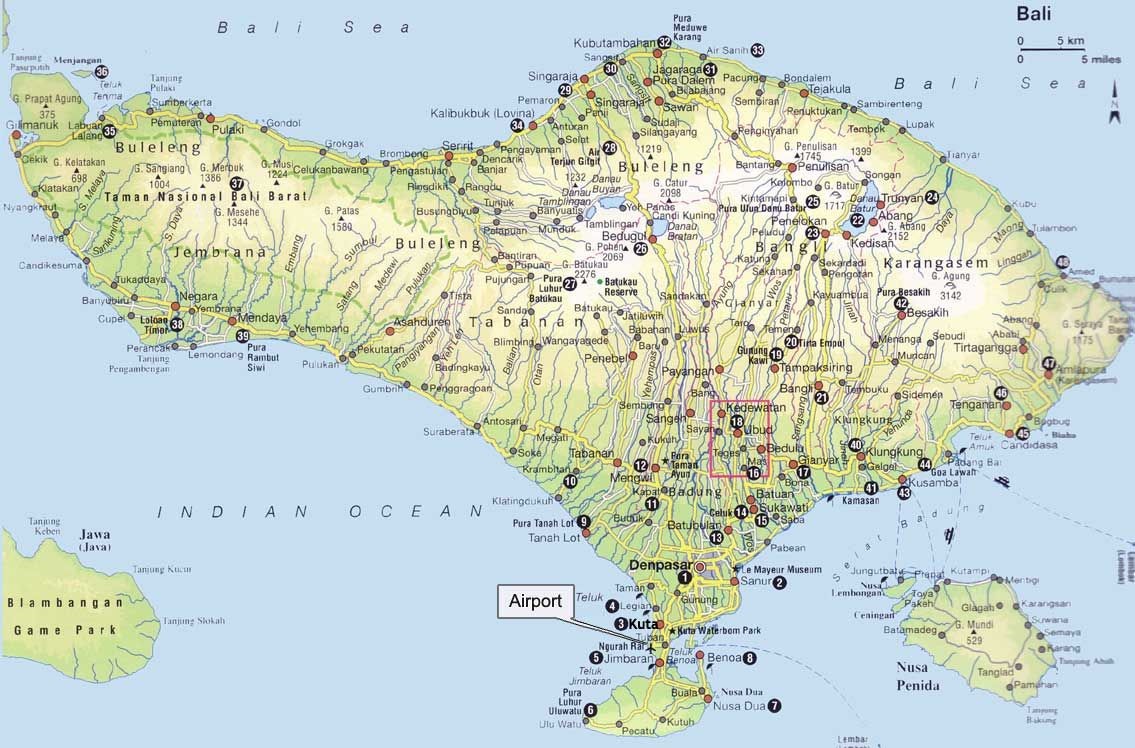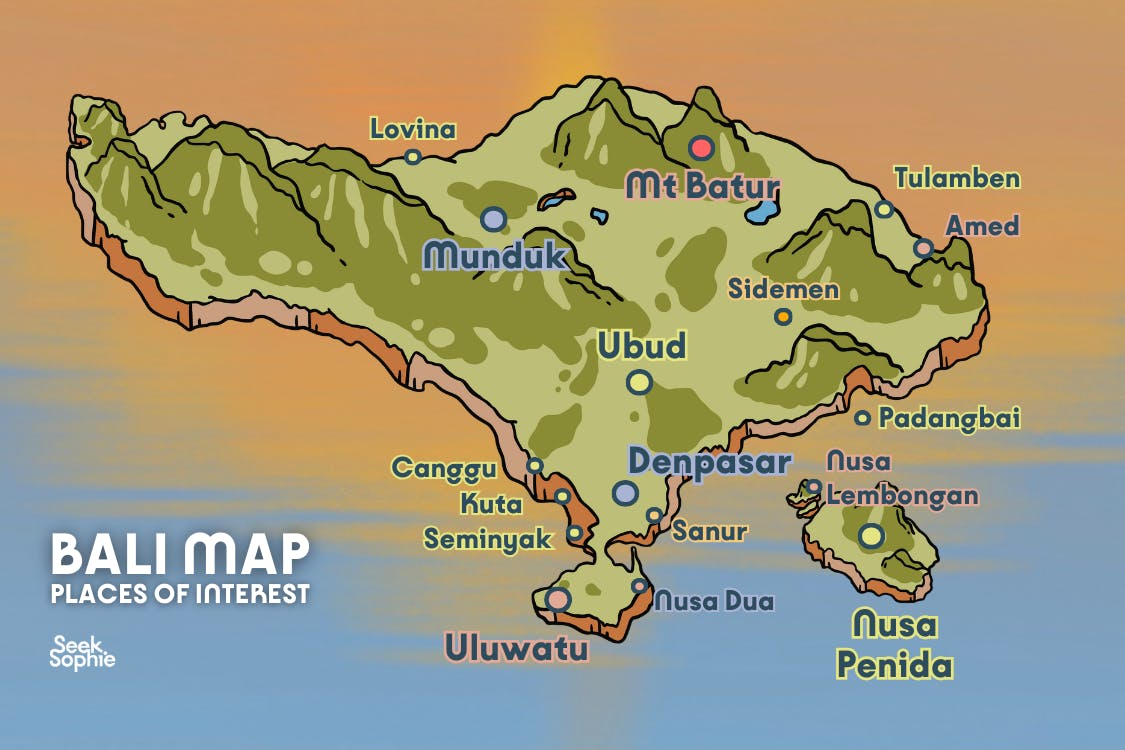
Bali is an Indonesian island, located in the westernmost province of the Lesser Sunda Islands. Geographically, it’s situated just south of the equator, making it a tropical haven for much of the year. To pinpoint it more precisely, Bali lies between the islands of Java to the west and Lombok to the east.
On a global scale, Bali is found in Southeast Asia, specifically within the Maritime Southeast Asian region. It is part of the Indonesian archipelago, which is the largest island country in the world by number of islands, and famously straddles the equator.
The coordinates for Bali are approximately 8.3405° S latitude and 115.0917° E longitude. This southern latitude places it firmly within the tropics, influencing its consistently warm temperatures and distinct wet and dry seasons.
To visualize its position relative to major continents, Bali is located southeast of mainland Asia and northwest of Australia. It is part of the Coral Triangle, an area renowned for its incredible marine biodiversity.
Many travelers wonder about Bali’s proximity to other popular destinations. It’s roughly a 3-hour flight from Singapore, a 4-hour flight from Kuala Lumpur, and about a 5-hour flight from Hong Kong. For those coming from Australia, Perth is about a 3.5-hour flight away, and Darwin is even closer.
Understanding Bali’s placement on the map also sheds light on its cultural influences. Being part of Indonesia, it shares a national identity, yet Bali possesses a distinct Hindu culture that sets it apart from the predominantly Muslim rest of the country. This unique heritage is a major draw for visitors.
The island’s geography is characterized by a central volcanic mountain range, including Mount Agung, which is Bali’s highest point and a sacred volcano. This mountainous interior gives way to fertile rice paddies and lush tropical forests, eventually meeting the coastline with its diverse beaches.
Bali’s capital city is Denpasar, located in the south of the island. While Denpasar is the administrative center, areas like Kuta, Seminyak, Canggu, and Ubud are more commonly known as tourist hubs, each offering a different vibe and experience.
Bali’s Climate: A Tropical Overview
Because of its location just south of the equator, Bali experiences a tropical monsoon climate. This means two primary seasons: a dry season and a wet season, with consistently high temperatures year-round. The average temperature hovers around 26-28°C (79-82°F).
The dry season typically runs from May to September, characterized by lower humidity and less rainfall. This is often considered the peak tourist season due to the favorable weather conditions for exploring beaches and outdoor activities.
Conversely, the wet season spans from October to April. While it does rain, it’s often in the form of heavy, short-lived downpours, usually in the afternoon or evening. The humidity is higher during this period, and the landscape becomes incredibly vibrant and green.
Navigating Bali: Neighboring Islands and Seas
To the east of Bali lies the island of Lombok, separated by the Lombok Strait. Lombok is similar in size and also a popular tourist destination, known for its pristine beaches and the majestic Mount Rinjani.
Further east of Lombok are the islands of Sumbawa and Flores, continuing the chain of the Lesser Sunda Islands. These islands are less developed than Bali and offer more adventurous travel experiences.
To the west of Bali is the much larger island of Java, home to Indonesia’s capital city, Jakarta, and iconic landmarks like Borobudur Temple and Mount Bromo. The Bali Strait separates Bali from Java.
Bali is surrounded by the Indian Ocean to the south and the Bali Sea (part of the Pacific Ocean) to the north. This strategic maritime location has historically made it an important stop on trade routes.
Accessibility: How to Reach Bali
Ngurah Rai International Airport (DPS), also known as Denpasar International Airport, is Bali’s main gateway. It is located in the southern part of the island, near the town of Kuta.
The airport handles a vast number of international and domestic flights daily, connecting Bali to major cities across Asia, Australia, the Middle East, and even some European destinations.
For those traveling from other parts of Indonesia, ferries are a common and affordable option, particularly from Java. The ferry port in Gilimanuk, West Bali, connects to Ketapang in East Java.
Why Bali’s Location Matters
Bali’s tropical location near the equator dictates its rich biodiversity, both on land and in its surrounding waters. The island is a haven for unique flora and fauna.
The warm, equatorial climate supports the lush vegetation, from dense rainforests in the interior to the vibrant coral reefs teeming with life offshore. This natural beauty is a cornerstone of Bali’s appeal.
Furthermore, its position in Southeast Asia makes it an accessible hub for travelers from across the globe. Its relative proximity to major Asian economic centers and Australia makes it a convenient and popular holiday choice.
The island’s volcanic origins, tied to the Pacific Ring of Fire, contribute to its fertile soil, which is ideal for agriculture, particularly rice cultivation. The terraced rice fields are an iconic landscape feature.
Common Questions About Bali’s Location
Is Bali in Australia or Indonesia? Bali is part of Indonesia, an independent country located to the north of Australia.
What ocean is Bali in? Bali is bordered by the Indian Ocean to the south and the Bali Sea (part of the Pacific Ocean) to the north.
How far is Bali from the equator? Bali is located just south of the equator, approximately 8.3 degrees latitude.
What is the closest country to Bali? The closest major landmass is Australia to the south. To the east, the closest Indonesian island is Lombok.
Is Bali a country or an island? Bali is an island and one of the 34 provinces of Indonesia. It is not an independent country.
Conclusion: Bali’s Place in the World
In summary, Bali occupies a distinct and beautiful niche on the world map. Situated in Indonesia, south of the equator, and nestled between Java and Lombok, it benefits from a tropical climate, rich volcanic landscapes, and vibrant marine ecosystems.
Its strategic location in Southeast Asia, coupled with excellent international connectivity, has cemented its status as a world-renowned tourist destination. Whether you’re drawn by its spiritual heart, its stunning natural beauty, or its surf-ready waves, understanding Bali’s place on the map helps to paint a clearer picture of this enchanting island.
From its coordinates to its neighboring islands and its climatic influences, Bali’s geographical identity is intrinsically linked to the experiences it offers. It is a jewel of the Indonesian archipelago, a tropical paradise waiting to be explored.