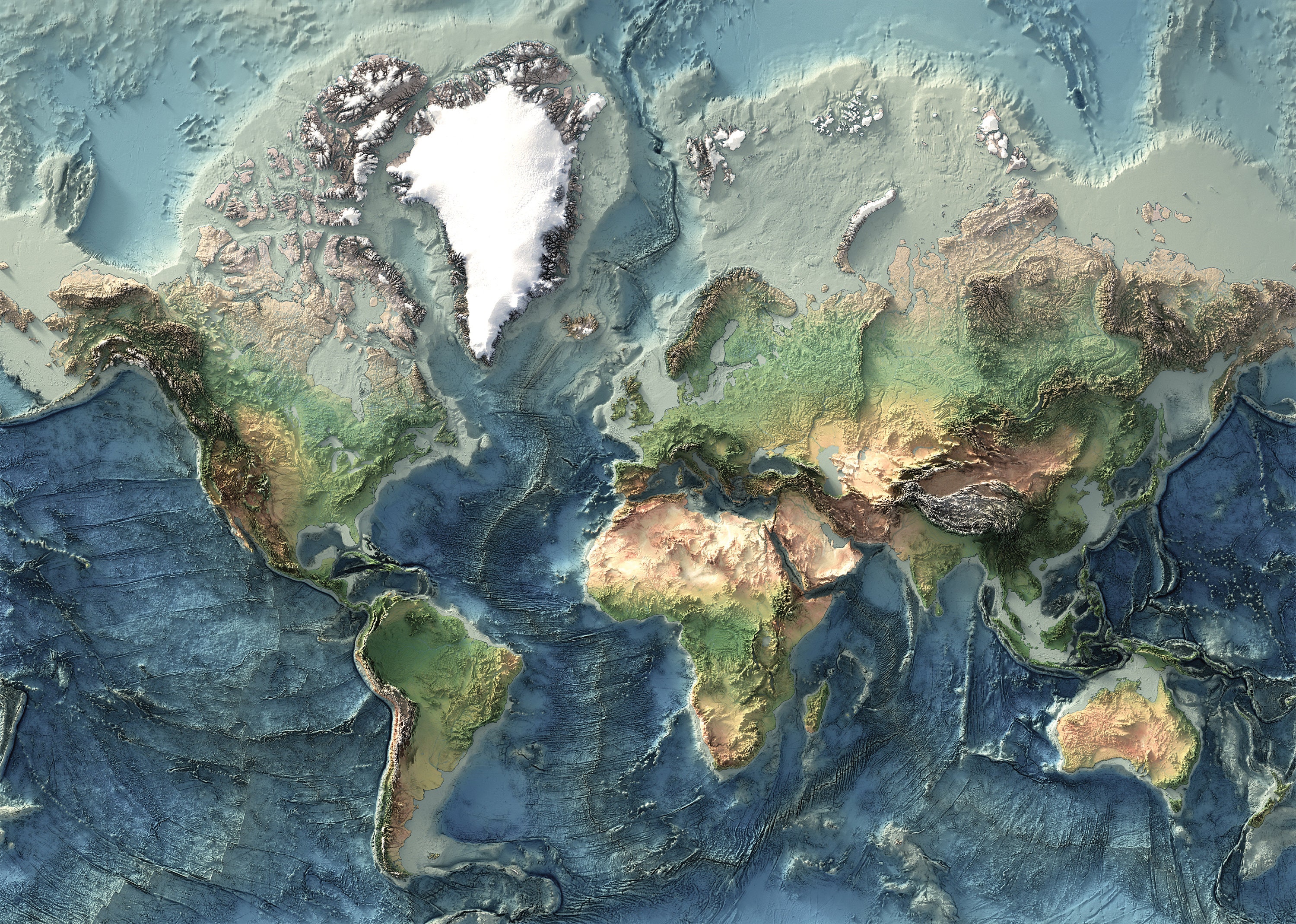
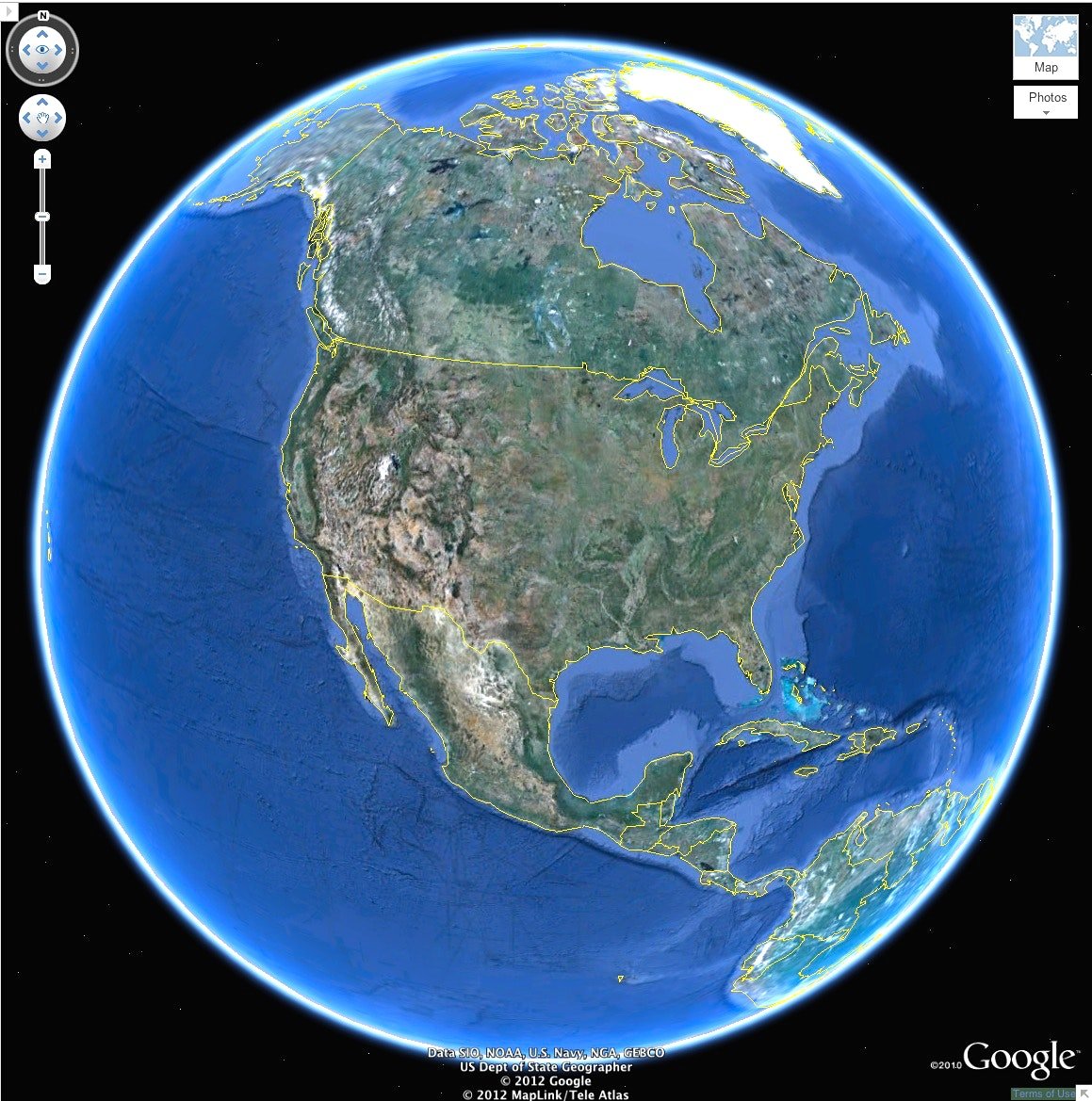
The evolution of aerial view mapping has been remarkable, transforming from rudimentary sketches to sophisticated digital representations. Early aerial views were often created from hand-drawn sketches based on observations from elevated positions, such as mountains or hot air balloons. The advent of photography, and later, digital imaging, revolutionized the process, allowing for more accurate and detailed maps.
Today, aerial view maps are predominantly generated using advanced technologies like satellite imagery, aerial photography from airplanes, and drone-based mapping. These methods capture high-resolution images that are then processed using specialized software to create accurate and detailed maps. The ability to overlay additional data, such as property lines, elevation contours, and building footprints, further enhances their utility.
The core of aerial view map creation involves several key steps. First, the data acquisition phase collects images from the chosen platform (satellite, aircraft, or drone). Next, georeferencing aligns the images with the Earth’s surface using control points and other positioning data. Orthorectification corrects for distortions caused by the camera angle and terrain, creating a geometrically accurate map. Finally, the processed images are integrated and enhanced to produce the final aerial view map.
Satellite imagery provides a broad overview, covering vast areas and is frequently used for global mapping and environmental monitoring. Aerial photography, typically captured from airplanes, offers higher resolution and is ideal for detailed mapping of urban areas and infrastructure projects. Drone-based mapping provides the highest level of detail and is increasingly used for localized surveys, construction site monitoring, and precision agriculture.
There are several distinct types of aerial view maps, each serving a specific purpose. Orthophoto maps are geometrically corrected aerial images that appear as if the viewer is looking straight down. These are often used as a base map for GIS (Geographic Information System) applications. Digital Elevation Models (DEMs) represent the terrain’s surface, providing information about elevation and slope. Digital Surface Models (DSMs) include the height of features like buildings and trees, providing a comprehensive 3D representation.
The applications of aerial view maps are incredibly diverse, spanning across numerous industries and disciplines. In urban planning, they are used to analyze land use, assess infrastructure needs, and monitor urban growth. In environmental management, they help to monitor deforestation, track changes in vegetation, and assess the impact of natural disasters. In agriculture, precision farming utilizes aerial imagery to monitor crop health, optimize irrigation, and improve yields.
Construction and engineering projects benefit greatly from aerial view maps, which provide detailed site surveys, facilitate progress monitoring, and assist in planning and design. Real estate professionals use them to showcase properties and provide potential buyers with a clear understanding of the surroundings. Insurance companies use them for damage assessment after events like hurricanes and floods.
The benefits of using aerial view maps are significant. They offer a unique perspective that is often impossible to obtain from ground-level views. They provide accurate and up-to-date information, crucial for informed decision-making. They save time and resources compared to traditional survey methods. They enable detailed analysis and visualization, leading to better insights. They facilitate effective communication and collaboration among stakeholders.
Several factors influence the quality and resolution of aerial view maps. These include the sensor type used to capture the imagery, the altitude of the platform, and the processing techniques applied. Higher resolution imagery provides more detailed information, allowing for the identification of smaller features. The accuracy of the georeferencing process is also critical for ensuring the map’s reliability.
Geographic Information Systems (GIS) are essential for working with aerial view maps. GIS software allows users to analyze, visualize, and manage geospatial data, including aerial imagery. GIS enables the integration of aerial maps with other data layers, such as property boundaries, road networks, and demographic information. This integrated approach allows for comprehensive spatial analysis and informed decision-making.
Several technologies are at the forefront of aerial view mapping. LiDAR (Light Detection and Ranging) uses laser pulses to measure distances and create highly accurate 3D models of the terrain. Hyperspectral imaging captures data across hundreds of narrow spectral bands, providing detailed information about the composition of surfaces. Artificial intelligence (AI) and machine learning (ML) are being used to automate image processing, object detection, and change detection.
The future of aerial view maps is promising, with technological advancements continuing to enhance their capabilities. The increasing availability of high-resolution satellite imagery, the growing use of drones, and the development of AI-powered analysis tools are all driving innovation. We can expect to see even more detailed, accurate, and readily accessible aerial view maps in the years to come.
Accessibility is a key consideration when working with aerial view maps. Many online platforms and GIS software packages provide access to aerial imagery, making it easier for users to access and utilize these maps. Open-source data repositories and government agencies often make aerial imagery freely available, promoting wider use.
Data privacy is an important consideration when using aerial view maps. The use of aerial imagery can raise privacy concerns, especially in urban areas. It is essential to be aware of and adhere to privacy regulations and to use aerial imagery responsibly.
Cost is another factor that can vary widely depending on the type of aerial view map and the data source. Satellite imagery is often more cost-effective for large-scale mapping projects, while drone-based mapping may be more cost-effective for smaller areas. The cost of processing and analysis can also influence the overall cost.
Q: What is the difference between an orthophoto and a regular aerial photograph?
A: An orthophoto is a geometrically corrected aerial photograph, eliminating distortions caused by the camera angle and terrain. It provides a true-to-scale representation of the Earth’s surface, while a regular aerial photograph may contain perspective distortions.
Q: How accurate are aerial view maps?
A: The accuracy of aerial view maps depends on several factors, including the sensor type, the altitude of the platform, and the georeferencing process. High-resolution imagery and precise georeferencing can result in highly accurate maps, with positional accuracy measured in centimeters.
Q: What is the best software for viewing aerial view maps?
A: Several software packages are suitable for viewing aerial view maps, including GIS software like ArcGIS and QGIS, as well as online platforms like Google Earth and Bing Maps. The best choice depends on the user’s specific needs and the level of analysis required.
Q: How often are aerial view maps updated?
A: The frequency of aerial view map updates varies depending on the data source and the region. Some areas have updated imagery available on a monthly or even weekly basis, while others may be updated less frequently. Satellite imagery is often updated more frequently than aerial photography.
Q: Can I create my own aerial view maps?
A: Yes, it is possible to create your own aerial view maps using drones or other platforms. This requires specialized equipment, software, and expertise in image processing and georeferencing. There are also services that can create custom aerial view maps.
The use of aerial view maps has expanded rapidly, and it is likely to continue in the future. Their ability to provide detailed, up-to-date perspectives makes them vital tools for a variety of applications. From urban planning and environmental management to construction and real estate, aerial view maps are transforming the way we see and interact with the world.
In conclusion, aerial view maps are indispensable tools with applications across numerous industries. They offer a unique perspective, providing detailed insights that support informed decision-making. Their accuracy, versatility, and increasing accessibility make them essential for professionals and organizations worldwide. The continued advancements in technology promise even more sophisticated and useful aerial view maps in the future.
Key takeaways include the importance of understanding the different types of aerial view maps, the various technologies used to create them, and the diverse applications they serve. Remember that proper georeferencing and careful consideration of data privacy are important. As technology continues to evolve, the impact of aerial view maps will only continue to grow.