Defining Patagonia: A Geographical Overview
Patagonia isn’t defined by strict political borders but rather by its distinctive geographical features. Generally, it encompasses the area south of the Colorado River in Argentina and south of the Bio Bio River in Chile. However, the commonly accepted boundary often places the northern edge closer to the Neuquén and Río Negro provinces in Argentina. This vast region covers approximately 400,000 square miles (1,040,000 square kilometers), a landmass larger than many European countries.
The Andes: Patagonia’s Western Spine
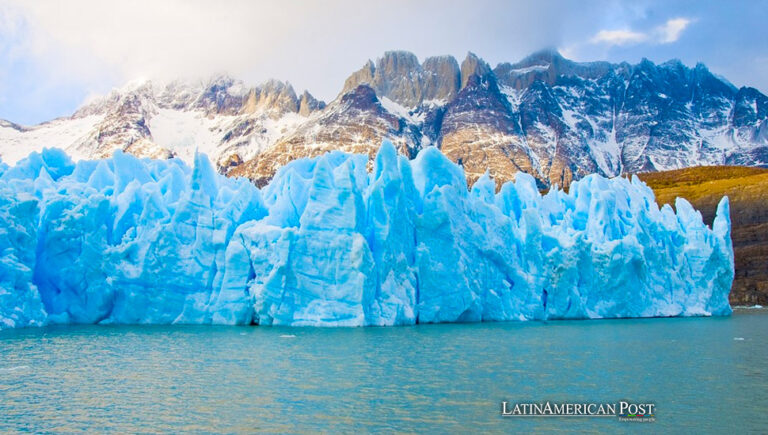
The Andes Mountains form the dramatic western backbone of Patagonia, creating a natural border between Argentina and Chile. This section of the Andes is characterized by jagged peaks, deep valleys carved by glaciers, and numerous lakes and fjords. The Southern Patagonian Ice Field, a massive expanse of ice, feeds many of these glaciers, including the famous Perito Moreno Glacier in Argentina and the Grey Glacier in Chile.
The Patagonian Steppe: A Land of Open Spaces
East of the Andes lies the Patagonian Steppe, a vast expanse of arid and semi-arid plains. This region is characterized by its strong winds, sparse vegetation, and unique wildlife. The steppe extends eastward to the Atlantic coast, offering a stark contrast to the mountainous landscapes of the west. While seemingly desolate, the steppe is home to diverse ecosystems and unique geological formations.
Climatic Conditions: A Tale of Two Sides
Patagonia’s climate is as diverse as its landscapes. The Andes create a significant rain shadow effect, resulting in stark differences between the western and eastern sides. The western slopes receive copious amounts of rainfall, fostering lush temperate rainforests. In contrast, the eastern steppe is much drier, with strong winds contributing to its arid conditions. Temperatures are generally cool throughout the year, with significant variations depending on altitude and proximity to the coast.
Exploring the Key Regions of Patagonia
Northern Patagonia (Lake District): Shared by Argentina and Chile, this region is known for its stunning lakes, forests, and volcanic landscapes. Bariloche (Argentina) and Pucón (Chile) are popular tourist hubs.
Central Patagonia: This area features the iconic Mount Fitz Roy and Cerro Torre in Argentina, drawing climbers and hikers from around the world. El Chalten is a popular base for exploring this region.
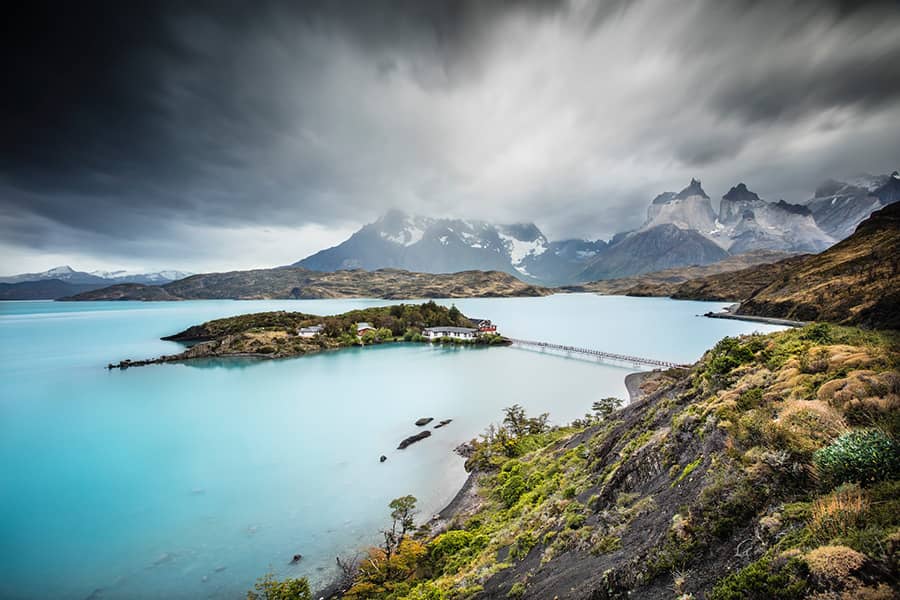
Southern Patagonia: Home to the Southern Patagonian Ice Field, this region boasts breathtaking glaciers, fjords, and the famous Torres del Paine National Park in Chile. El Calafate (Argentina) is the gateway to the Perito Moreno Glacier.
Tierra del Fuego: The southernmost tip of South America, Tierra del Fuego is an archipelago shared by Argentina and Chile. Ushuaia (Argentina), the southernmost city in the world, is a popular starting point for cruises to Antarctica.
Must-See Attractions in Patagonia
Perito Moreno Glacier (Argentina): A massive glacier that regularly calves icebergs into Lake Argentino.
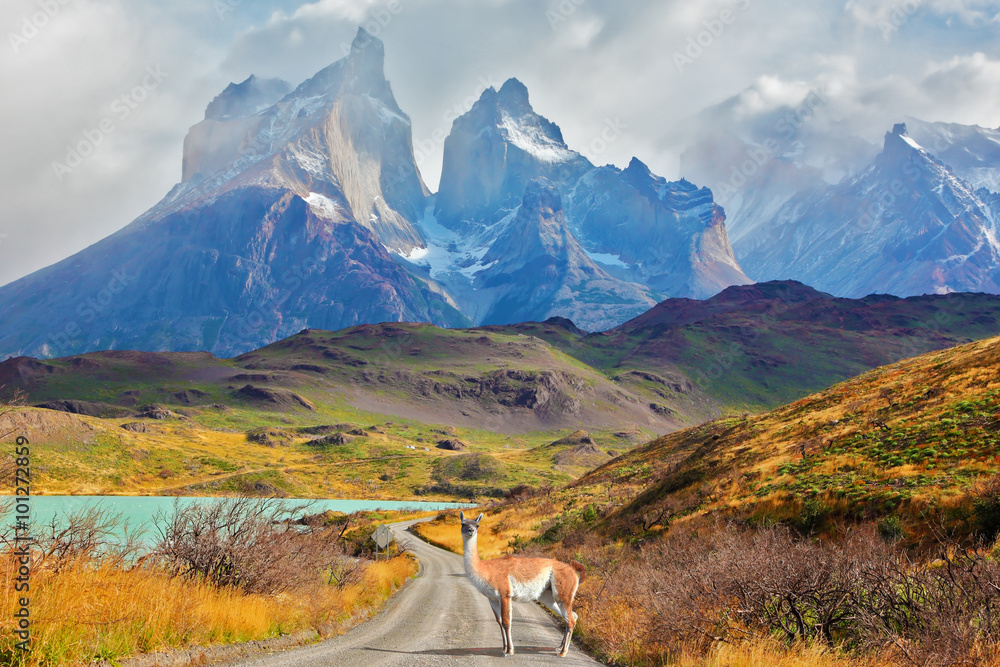
Torres del Paine National Park (Chile): Renowned for its towering granite peaks, turquoise lakes, and diverse wildlife.
Mount Fitz Roy (Argentina): A challenging climb and a stunning sight, attracting mountaineers and photographers.
Cerro Torre (Argentina): Another iconic peak, known for its dramatic shape and difficult ascent.
Lake District (Argentina & Chile): A region of stunning lakes, forests, and volcanic landscapes.
Ushuaia (Argentina): The southernmost city in the world, offering access to cruises and adventures in Tierra del Fuego.
Valdes Peninsula (Argentina): A UNESCO World Heritage site known for its marine wildlife, including whales, seals, and penguins.
Planning Your Trip to Patagonia: Essential Considerations
Best Time to Visit: The Patagonian summer (November to March) offers the most favorable weather conditions for hiking and outdoor activities.
Transportation: Renting a car is recommended for exploring the region at your own pace. Buses are also available but may have limited schedules.
Accommodation: Accommodation options range from campsites and hostels to luxury hotels. Book in advance, especially during peak season.
Gear: Pack for all types of weather, including warm layers, waterproof clothing, and sturdy hiking boots.
Permits and Reservations: Some national parks and attractions require permits or reservations, especially during peak season.
Frequently Asked Questions About Patagonia (People Also Ask)
What countries are in Patagonia? Patagonia is primarily located in Argentina and Chile.
What is Patagonia known for? Patagonia is known for its stunning landscapes, including mountains, glaciers, lakes, and steppes. It’s also famous for its hiking, trekking, and wildlife viewing opportunities.
Is Patagonia safe for tourists? Patagonia is generally considered a safe destination for tourists. However, it’s always wise to take precautions against petty theft and be aware of your surroundings.
How much does it cost to travel to Patagonia? The cost of traveling to Patagonia can vary greatly depending on your travel style and itinerary. Budget travelers can expect to spend around $50-100 per day, while those seeking more luxurious accommodations and experiences may spend significantly more.
What is the best way to get around Patagonia? Renting a car is the most flexible way to explore Patagonia, allowing you to reach remote areas and travel at your own pace. Buses are also available, but they may have limited schedules and routes.
What languages are spoken in Patagonia? Spanish is the primary language spoken in Patagonia. English is also widely spoken in tourist areas.
Delving Deeper: Patagonia’s Unique Ecosystems
Beyond its majestic landscapes, Patagonia boasts a rich tapestry of ecosystems, each teeming with unique flora and fauna. From the windswept steppes to the ancient forests, the region provides a haven for a remarkable array of species, many of which are found nowhere else on Earth.
The Patagonian Steppe Ecosystem: This arid landscape is home to hardy shrubs, grasses, and resilient wildlife adapted to the harsh conditions. Guanacos, rheas (South American ostriches), and maras (Patagonian hares) roam the plains, while birds of prey, such as eagles and hawks, soar overhead.
The Andean Forest Ecosystem: Along the western slopes of the Andes, lush temperate rainforests thrive, nourished by abundant rainfall. These forests are characterized by ancient trees, dense undergrowth, and a variety of bird species, including woodpeckers, hummingbirds, and parrots.
The Coastal Ecosystem: Patagonia’s extensive coastline supports a diverse array of marine life, including whales, dolphins, seals, penguins, and seabirds. The Valdes Peninsula, a UNESCO World Heritage site, is a particularly important breeding ground for many of these species.
Conservation Efforts: Protecting Patagonia’s Natural Heritage
Patagonia’s pristine landscapes and unique ecosystems face a number of threats, including climate change, tourism development, and resource extraction. Numerous organizations are working to protect the region’s natural heritage through conservation efforts, sustainable tourism initiatives, and community engagement programs.
National Parks and Protected Areas: Patagonia boasts a network of national parks and protected areas that safeguard its most valuable ecosystems. These parks provide refuge for wildlife, preserve natural landscapes, and offer opportunities for responsible tourism.
Sustainable Tourism Initiatives: Ecotourism and sustainable tourism practices are gaining momentum in Patagonia, promoting responsible travel that minimizes environmental impact and benefits local communities.
Community Engagement Programs: Many conservation organizations are working with local communities to promote sustainable livelihoods and empower residents to protect their natural resources.
Conclusion: Patagonia – A Land of Wonder and Adventure
Patagonia is a land of unparalleled beauty and adventure, offering a diverse range of experiences for travelers seeking to connect with nature. From its towering mountains and shimmering glaciers to its vast steppes and abundant wildlife, Patagonia captivates the senses and leaves a lasting impression. Whether you’re a seasoned hiker, a wildlife enthusiast, or simply seeking a breathtaking escape, Patagonia promises an unforgettable journey into the heart of South America’s untamed wilderness. Remember to plan accordingly, respect the environment, and embrace the spirit of adventure that defines this extraordinary region. Explore the map, choose your destination, and prepare to be amazed by the wonders of Patagonia.