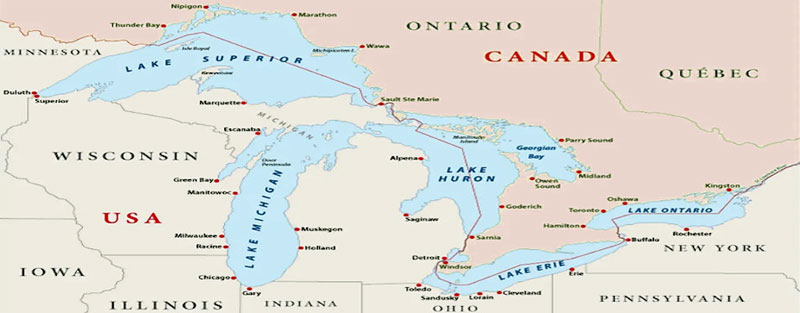
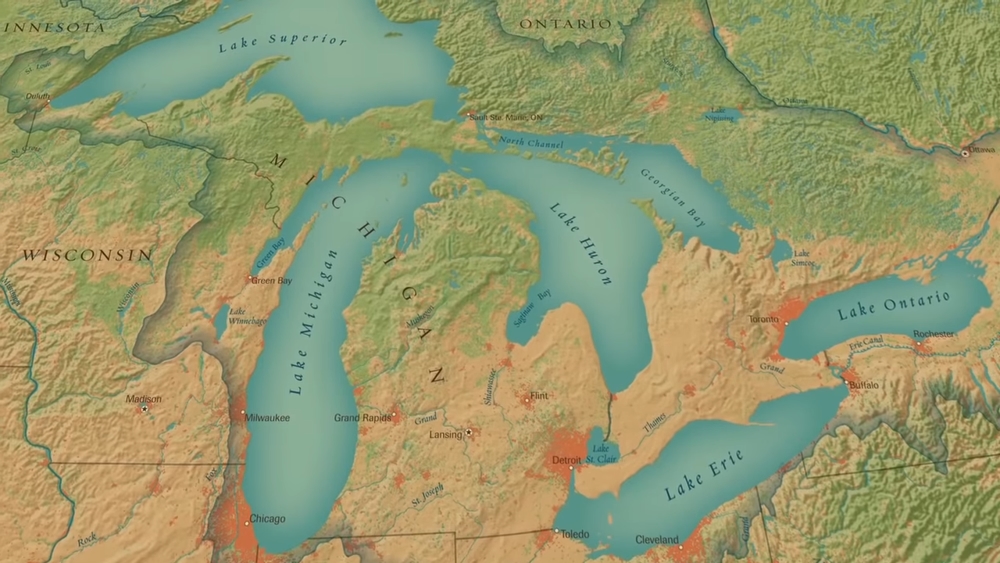
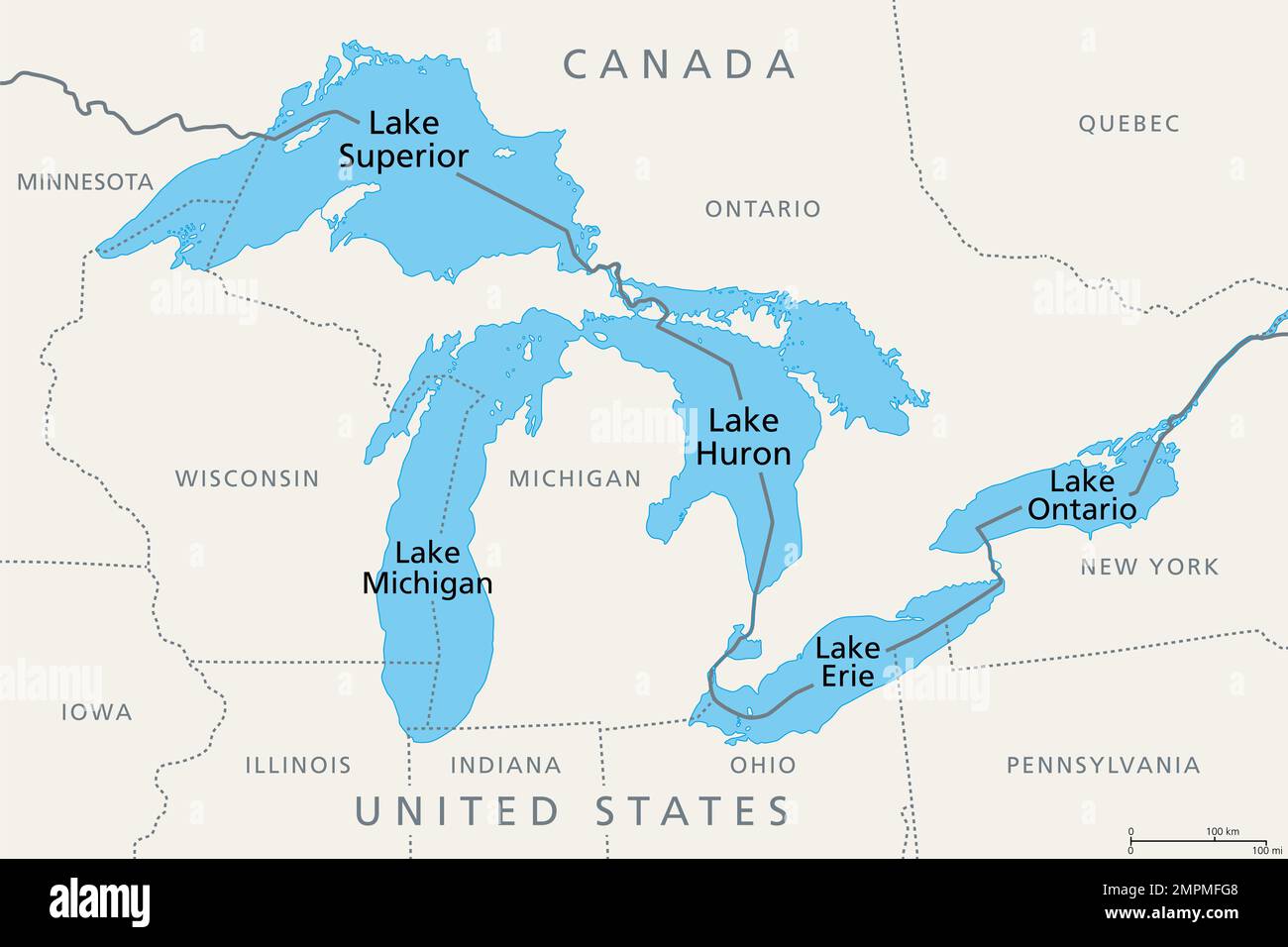
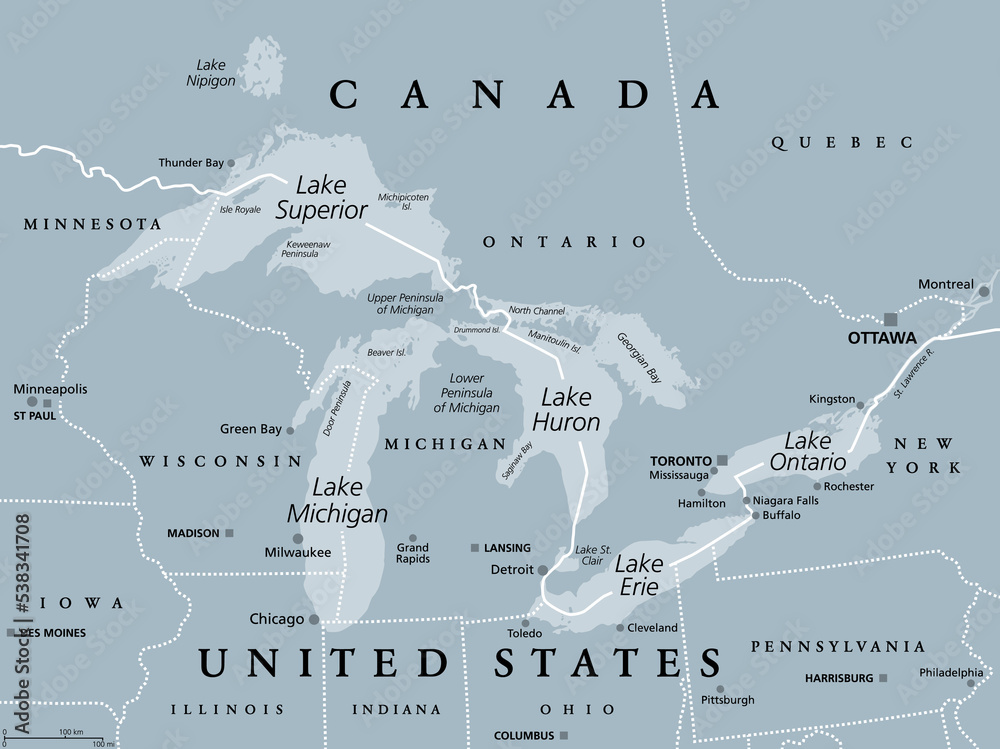
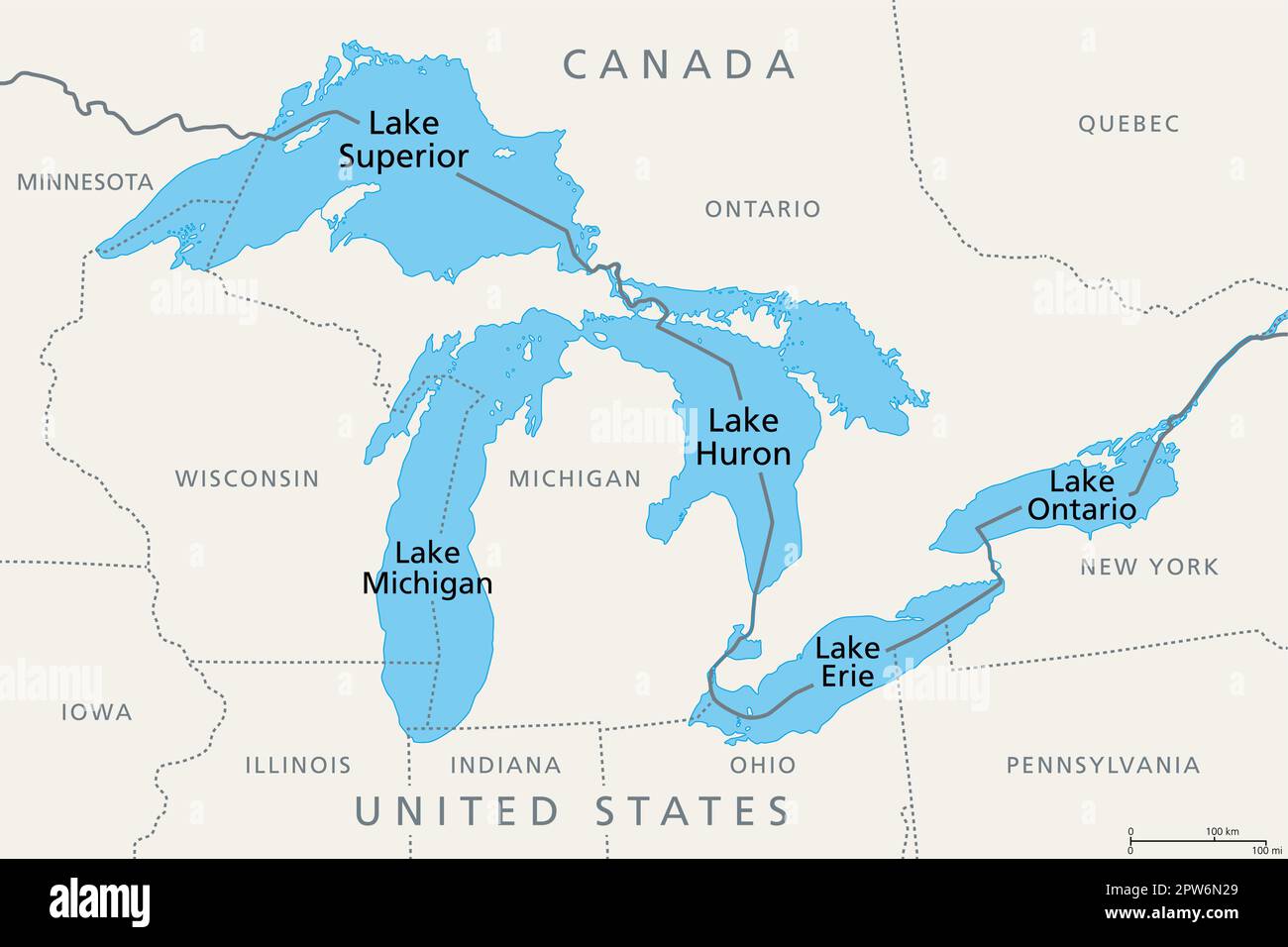
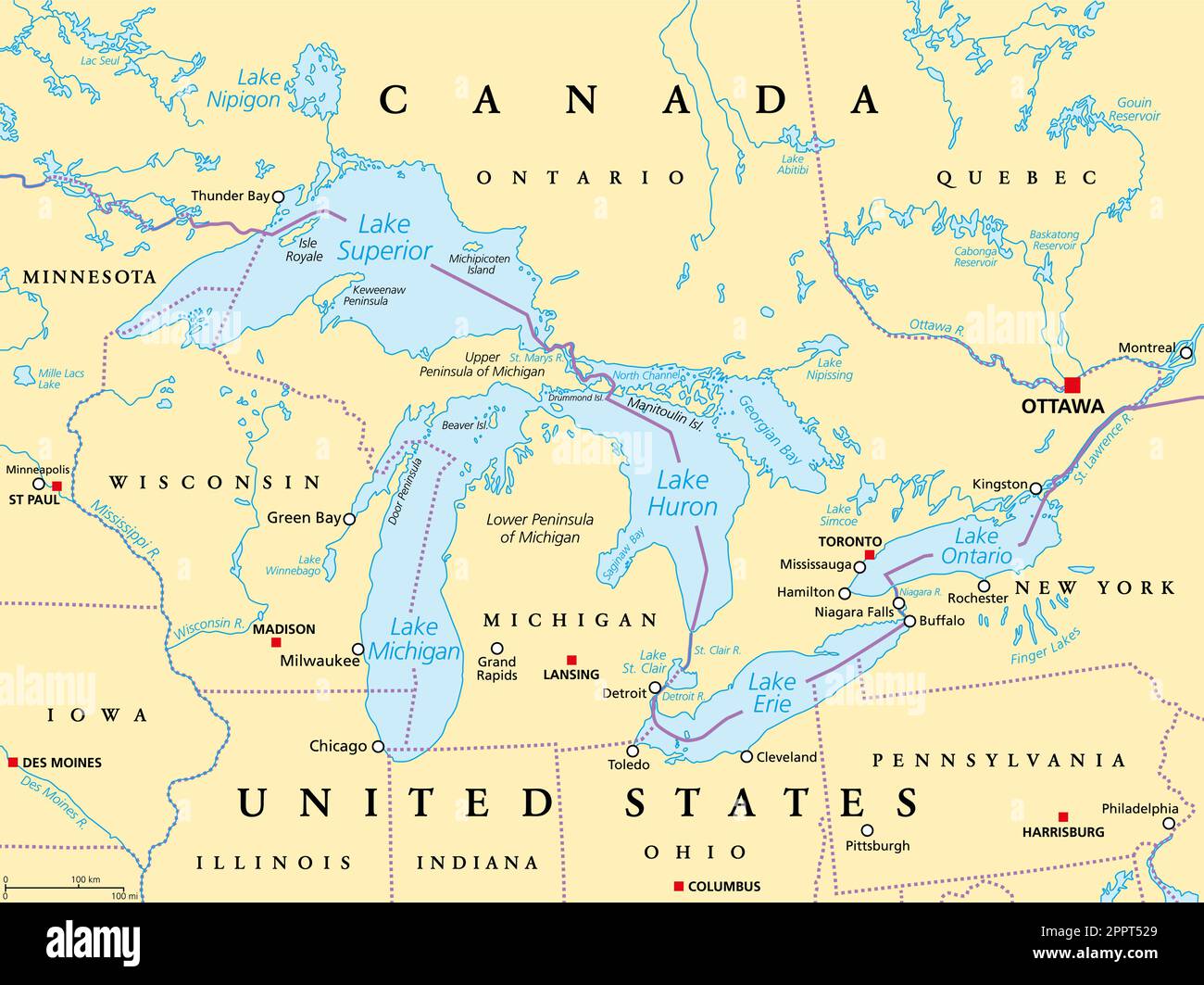
When we ‘map’ the US Great Lakes, we’re not just looking at geographical boundaries; we’re exploring a complex tapestry of interconnected waterways, diverse ecosystems, rich history, and profound economic significance. This comprehensive guide will take you on a journey across these majestic waters, delving into their formation, individual characteristics, environmental challenges, and the incredible opportunities they offer.
Understanding the Great Lakes begins with recognizing their sheer scale. Comprising five interconnected lakes—Superior, Michigan, Huron, Erie, and Ontario—they form the largest group of freshwater lakes on Earth by total surface area and are second only to the polar ice caps in total freshwater volume. Their combined shoreline stretches over 10,000 miles, rivaling the length of the entire US coastline.
These lakes are not merely large ponds; they are inland seas, experiencing tides, powerful storms, and even a unique phenomenon known as seiches, which are standing waves that cause water levels to fluctuate dramatically. Their vastness has shaped the climate, culture, and economy of the surrounding regions for millennia.
The geological story of the Great Lakes is a testament to the immense power of nature. They were primarily formed by the movement of massive continental glaciers during the last ice age, which ended approximately 10,000 to 12,000 years ago. As these glaciers advanced and retreated, they scoured out deep basins in the bedrock, which then filled with meltwater, creating the lakes we know today.
The retreating ice also left behind a landscape rich with unique geological features, including drumlins, eskers, and vast deposits of sand and gravel, all contributing to the diverse topography of the Great Lakes basin. This glacial legacy continues to influence the region’s soil, hydrology, and even its climate.
Let’s take a closer look at each of these freshwater giants, understanding their unique characteristics and contributions to the region.
Lake Superior: The Grandest and Deepest. The largest of the Great Lakes by both surface area and volume, and the world’s largest freshwater lake by surface area, Lake Superior truly lives up to its name. It is also the deepest and coldest, holding more water than the other four Great Lakes combined, plus three additional Lake Eries. Its rugged coastline, pristine waters, and dramatic cliffs are a haven for adventurers and nature enthusiasts.
Lake Michigan: Entirely Within the USA. Unique among the Great Lakes, Lake Michigan is the only one located entirely within the United States. It is the second-largest by volume and third-largest by surface area. Its shores are home to major metropolitan areas like Chicago and Milwaukee, making it a crucial hub for commerce, industry, and recreation. Its eastern shore is famous for its towering sand dunes.
Lake Huron: Islands and Bays. The second-largest by surface area, Lake Huron boasts the longest shoreline of the Great Lakes, thanks to its intricate Georgian Bay and the world’s largest freshwater island, Manitoulin Island. It connects to Lake Michigan via the Straits of Mackinac and is a popular destination for boating, fishing, and exploring its countless islands and coves.
Lake Erie: The Shallowest and Most Populated. Lake Erie is the shallowest and smallest by volume, making it the warmest and most biologically productive of the Great Lakes. Its relatively shallow depth, however, also makes it more susceptible to pollution and rapid changes in water levels and temperature. Its shores are heavily populated, with cities like Cleveland, Detroit, and Buffalo relying on its waters.
Lake Ontario: The Gateway to the Atlantic. The smallest of the Great Lakes by surface area, Lake Ontario is the easternmost and lowest in elevation. It serves as the outflow for the entire Great Lakes system, connecting to the Atlantic Ocean via the St. Lawrence River. Niagara Falls, one of the world’s most famous waterfalls, marks its western boundary, separating it from Lake Erie.
The Great Lakes basin is a vibrant ecological hotspot, supporting an incredible array of plant and animal life. Its diverse habitats include coastal wetlands, sandy beaches, rocky shores, deep-water environments, and vast forests. This biodiversity is critical for the health of the entire region.
The lakes are home to numerous fish species, including salmon, trout, whitefish, and perch, supporting both commercial fisheries and a thriving recreational fishing industry. Migratory birds rely on the Great Lakes for breeding, feeding, and resting during their long journeys, making the region a prime birdwatching destination.
The region’s economy also thrives on manufacturing, agriculture, and tourism. Millions of visitors flock to the Great Lakes annually to enjoy activities such as boating, swimming, fishing, hiking, and exploring charming coastal towns and national parks. From sandy beaches to rugged cliffs, the recreational opportunities are endless.
The history of human interaction with the Great Lakes dates back thousands of years to Indigenous peoples who utilized these waters for sustenance, transportation, and spiritual connection. Later, European explorers and settlers recognized their strategic importance, leading to rapid development and industrialization.
The 19th and 20th centuries saw the Great Lakes become the heartland of American industry, with steel mills, automobile factories, and shipping ports transforming the landscape. While this brought prosperity, it also led to significant environmental degradation, setting the stage for modern conservation efforts.
Despite their immense size and apparent resilience, the Great Lakes face significant environmental challenges. These include pollution from industrial and agricultural runoff, habitat loss, and the devastating impact of invasive species like zebra mussels and quagga mussels, which disrupt the delicate food web and clog infrastructure.
Climate change also poses a growing threat, influencing water levels, ice cover, and water temperatures, which can affect fish populations and increase the frequency of extreme weather events. These issues underscore the need for ongoing vigilance and proactive management.
Recognizing these threats, extensive conservation efforts are underway. The Great Lakes Restoration Initiative (GLRI) in the US and various Canadian programs, along with binational cooperation, are working to clean up toxic hotspots, control invasive species, restore habitats, and reduce harmful algal blooms. These initiatives are vital for ensuring the long-term health of the ecosystem.
Mapping technologies play an increasingly critical role in understanding and protecting the Great Lakes. Advanced bathymetric mapping provides detailed underwater topography, essential for navigation and ecological studies. Satellite imagery and GIS (Geographic Information Systems) help track water quality, monitor coastal erosion, and manage invasive species spread.
Data visualization and digital mapping tools allow scientists, policymakers, and the public to better comprehend the complex dynamics of the lakes, facilitating informed decision-making for conservation and sustainable development. These tools are indispensable for charting a healthy future for this vital resource.
- Sleeping Bear Dunes National Lakeshore in Michigan, known for its massive sand dunes and stunning vistas.
- The rugged beauty of Pictured Rocks National Lakeshore in Michigan’s Upper Peninsula, with its colorful sandstone cliffs.
- The Apostle Islands National Lakeshore in Wisconsin, featuring sea caves and historic lighthouses on Lake Superior.
- The vibrant cities along Lake Michigan, such as Chicago with its world-class museums and architecture.
- Niagara Falls, a breathtaking natural wonder connecting Lake Erie and Lake Ontario.
Whether you’re interested in outdoor adventures, historical exploration, or simply enjoying the tranquility of vast freshwater, the Great Lakes region has something to offer every traveler.
The Great Lakes are far more than just bodies of water on a map; they are living, breathing systems that sustain life, drive economies, and inspire awe. From their ancient glacial origins to their modern-day challenges, they represent a dynamic intersection of natural grandeur and human endeavor.
Understanding and appreciating these freshwater giants is crucial for their continued health. Through ongoing conservation, responsible stewardship, and a commitment to scientific research, we can ensure that the majestic Great Lakes remain a vibrant and invaluable resource for generations to come, truly a jewel of North America.
Remember to respect local regulations and practice Leave No Trace principles when visiting the Great Lakes to help preserve their pristine beauty.