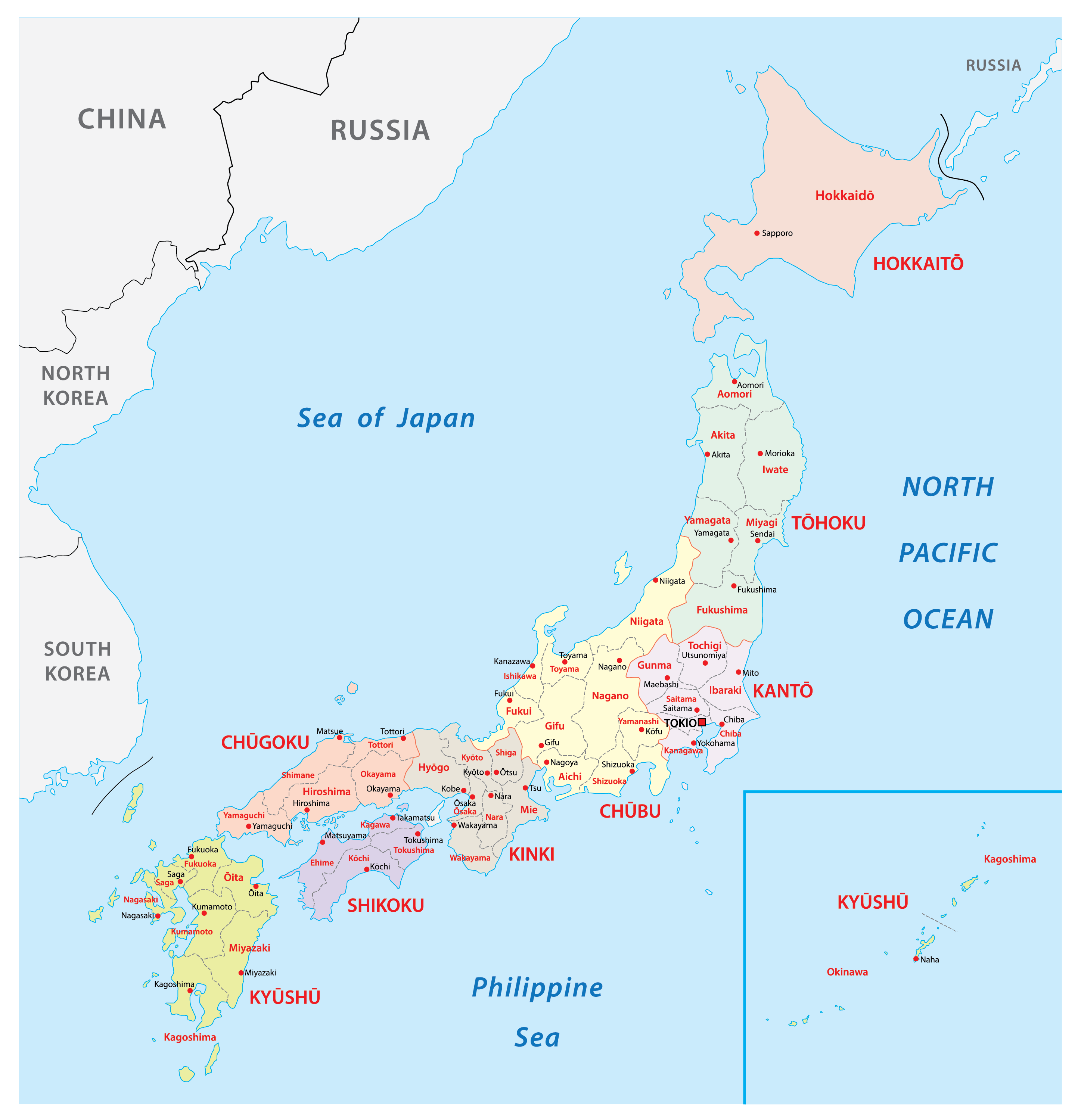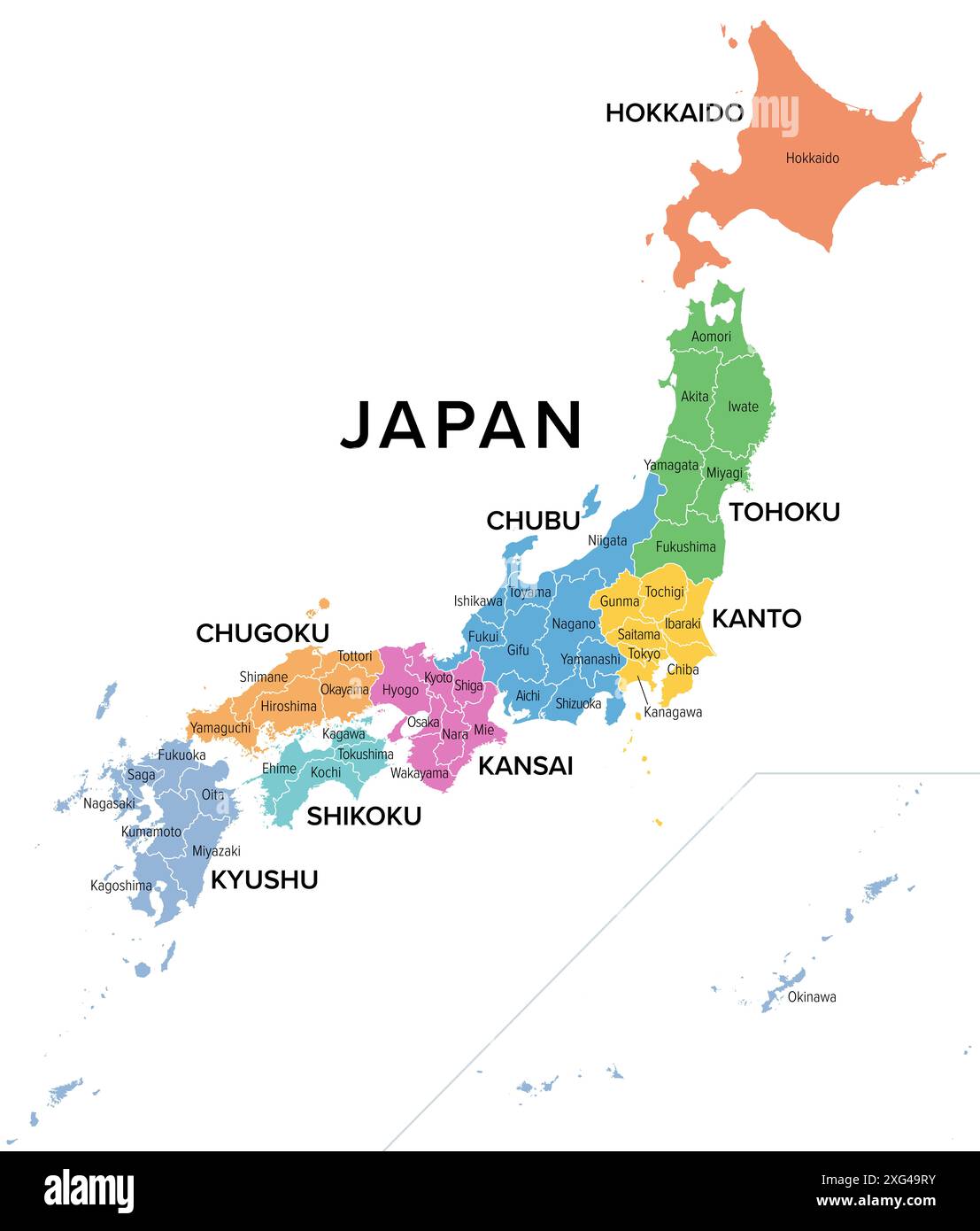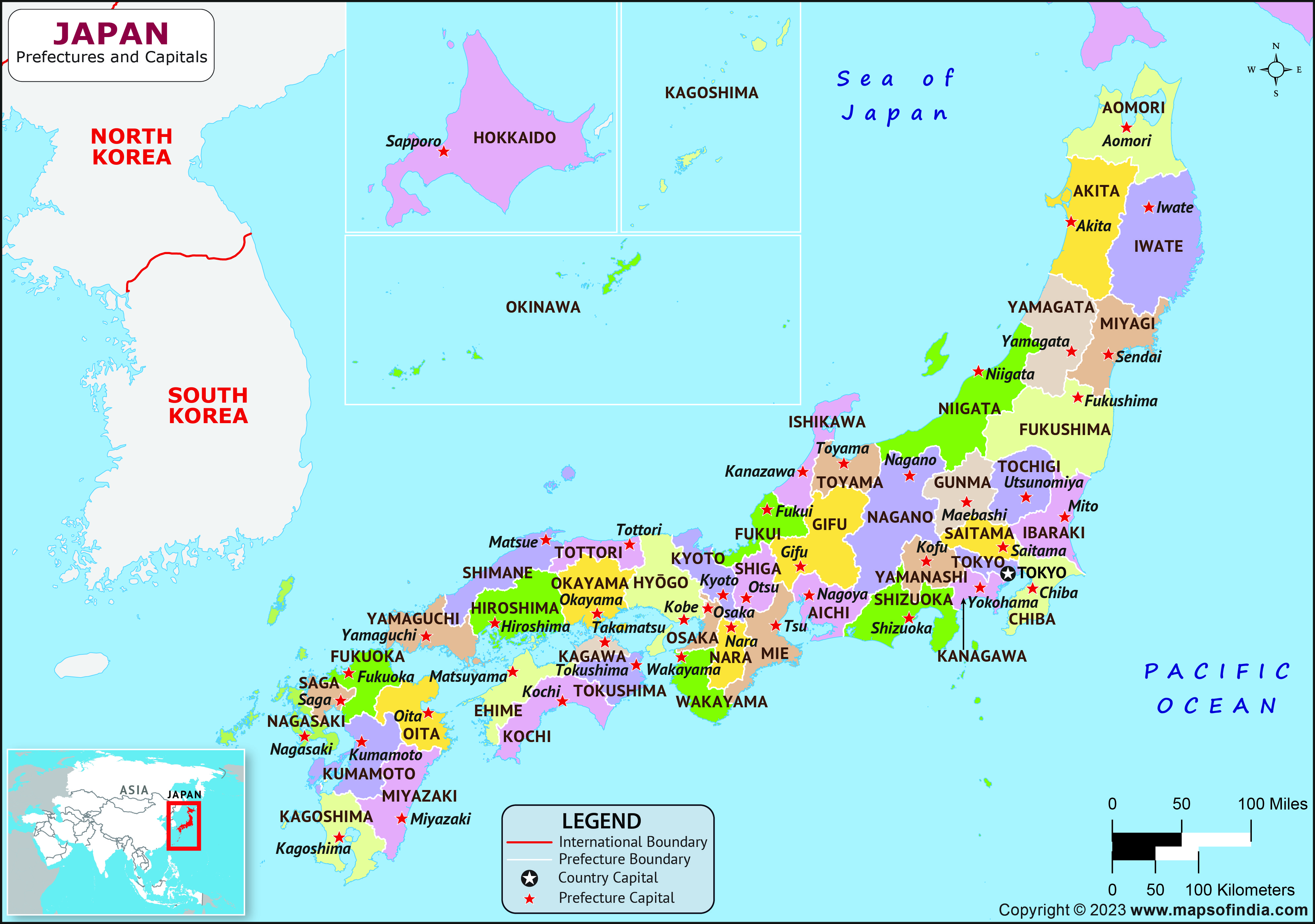
Understanding the prefectural map helps travelers plan efficient itineraries, businesses target specific markets, and cultural enthusiasts appreciate the nuances of regional traditions, dialects, and cuisines. This comprehensive guide will delve deep into Japan’s administrative divisions, offering insights into each region and highlighting what makes them distinct.
What Exactly Are Japan’s Prefectures?
At its core, a prefecture (都道府県, todōfuken) is Japan’s primary administrative division, akin to states in the USA, provinces in Canada, or counties in the UK. This system was established during the Meiji Restoration in the late 19th century, replacing the feudal domains (han) of the Edo period. The goal was to centralize governmental control and modernize the nation, creating a more unified administrative structure.
Today, Japan is divided into 47 prefectures, each with its own elected governor, legislature, and administrative bureaucracy. These local governments play a crucial role in managing public services, economic development, and cultural preservation within their respective territories. The prefectural system allows for a balance between central governance and regional autonomy.
The "To, Do, Fu, Ken" Distinction: More Than Just a Name
The 47 Prefectures: A Complete Overview
Each of Japan’s 47 prefectures contributes to the nation’s incredible diversity. From the snowy landscapes of Hokkaido to the subtropical beaches of Okinawa, and from the bustling urban sprawl of Tokyo to the tranquil farmlands of Shimane, every prefecture offers a unique slice of Japan. They are typically grouped into larger geographical regions for broader classification and easier understanding.
Japan’s Major Regions: A Broader Perspective
Beyond the individual prefectures, Japan is often divided into eight traditional regions. These regions are not administrative entities themselves but are widely used for geographical, cultural, and statistical purposes. They help to simplify the complex prefectural map and provide a sense of regional identity.
- Hokkaido Region: Comprising only Hokkaido Prefecture, it’s known for its vast natural landscapes, harsh winters, and delicious dairy products and seafood. Sapporo is its capital.
- Tohoku Region: Located in northern Honshu, this region includes Aomori, Iwate, Miyagi, Akita, Yamagata, and Fukushima Prefectures. It’s famous for its rugged beauty, hot springs, and festivals like Nebuta Matsuri.
- Kanto Region: The economic and political heartland of Japan, encompassing Tokyo, Kanagawa, Saitama, Chiba, Ibaraki, Tochigi, and Gunma Prefectures. It is home to the capital and a massive population.
- Chubu Region: Central Honshu, a diverse region with the majestic Japanese Alps. It includes Niigata, Toyama, Ishikawa, Fukui, Yamanashi, Nagano, Gifu, Shizuoka, and Aichi Prefectures. Mount Fuji lies within this region.
- Kansai Region (Kinki): A historical and cultural powerhouse, home to Kyoto, Osaka, Nara, Hyogo, Shiga, Wakayama, and Mie Prefectures. It boasts ancient capitals, vibrant cities, and spiritual sites.
- Chugoku Region: Western Honshu, comprising Tottori, Shimane, Okayama, Hiroshima, and Yamaguchi Prefectures. Known for the Seto Inland Sea and the city of Hiroshima.
- Shikoku Region: Japan’s smallest main island, including Kagawa, Ehime, Tokushima, and Kochi Prefectures. Famous for its 88-temple pilgrimage and beautiful coastlines.
- Kyushu Region: The southernmost of Japan’s main islands, plus Okinawa. It includes Fukuoka, Saga, Nagasaki, Kumamoto, Oita, Miyazaki, and Kagoshima Prefectures. Known for its volcanic activity, hot springs, and unique southern culture.
Spotlight on Key Prefectures
Tokyo-to: The Global Metropolis
As the capital, Tokyo is the undeniable political, economic, and cultural center of Japan. It’s a vibrant tapestry of futuristic skyscrapers, serene gardens, historic temples, and cutting-edge fashion districts. From the bustling Shibuya crossing to the imperial palace grounds, Tokyo offers an unparalleled urban experience.
Kyoto-fu: The Ancient Capital of Tradition
Kyoto served as Japan’s imperial capital for over a millennium. It is the epitome of traditional Japan, with thousands of Buddhist temples, Shinto shrines, magnificent gardens, and traditional wooden houses. Gion, the geisha district, and the iconic Fushimi Inari Shrine are just a few of its many treasures.
Osaka-fu: Japan’s Kitchen and Commercial Hub
Known as the "nation’s kitchen" (tenka no daidokoro), Osaka is famous for its lively food scene, friendly locals, and vibrant nightlife. It’s a major commercial center with a distinct culture, dialect, and a history as a merchant city. Dotonbori’s neon-lit canal is a must-see.
Hokkaido-do: Northern Wilderness and Winter Wonderland
Hokkaido offers a stark contrast to the urban centers of Honshu. Its vast, untamed landscapes are perfect for outdoor enthusiasts, offering world-class skiing, hiking, and stunning national parks. Its agriculture and seafood are highly prized across Japan.
Okinawa-ken: Subtropical Islands and Unique Culture
Located far to the south, Okinawa Prefecture is a chain of subtropical islands with a distinct history and culture, once an independent Ryukyu Kingdom. It’s famous for its beautiful beaches, coral reefs, and unique cuisine, offering a different flavor of Japan.
Hiroshima-ken: A Symbol of Peace and Resilience
Hiroshima is globally recognized as the site of the first atomic bombing. Today, it stands as a powerful symbol of peace, with its Peace Memorial Park and Museum. The prefecture also boasts the stunning Miyajima Island, home to the iconic ‘floating’ torii gate of Itsukushima Shrine.
Aichi-ken: The Industrial Powerhouse
Home to Nagoya, Aichi Prefecture is a major manufacturing hub, particularly for the automotive industry (Toyota’s headquarters are here). It’s a prefecture focused on innovation and industry, while also offering historical sites like Nagoya Castle.
Fukuoka-ken: Gateway to Asia
Located on Kyushu, Fukuoka is a vibrant, modern city with a rich history of trade with continental Asia. It’s known for its delicious ramen, lively atmosphere, and excellent transportation links, serving as a key gateway to the rest of Kyushu and beyond.
Navigating Japan: Practical Uses of the Prefectural Map
- Travel Planning: It helps in creating logical itineraries, understanding regional transportation networks (e.g., JR Pass regions), and discovering local specialties and attractions. Knowing prefectural boundaries aids in selecting accommodations and experiences specific to a desired area.
- Business and Economics: Businesses can leverage prefectural data to understand regional markets, consumer behavior, and local regulations. Economic policies and industry clusters often vary significantly from one prefecture to another.
- Cultural Understanding: Japan’s cultural diversity is deeply rooted in its prefectures. Dialects, traditional crafts, festivals (matsuri), and culinary traditions are often unique to specific prefectures or regions.
- Disaster Preparedness: Knowing which prefectures are prone to specific natural disasters (e.g., earthquakes, typhoons, volcanic activity) is crucial for both residents and visitors. Official warnings and evacuation information are typically issued on a prefectural basis.
Common Questions About Japan’s Prefectures (People Also Ask)
How many prefectures does Japan have?
Japan has 47 prefectures, categorized as one "To" (Tokyo Metropolis), one "Do" (Hokkaido), two "Fu" (Kyoto and Osaka Urban Prefectures), and 43 "Ken" (Prefectures).
What is the largest prefecture by area?
Hokkaido is by far the largest prefecture in Japan by land area, covering over 83,424 square kilometers.
What is the smallest prefecture by area?
Kagawa Prefecture, located on the island of Shikoku, is the smallest prefecture by land area, at just 1,877 square kilometers.
Which prefecture is Mount Fuji located in?
Mount Fuji, Japan’s iconic sacred mountain, straddles the border between Shizuoka Prefecture and Yamanashi Prefecture in the Chubu region.
What are the 8 regions of Japan?
The eight major geographical regions of Japan are Hokkaido, Tohoku, Kanto, Chubu, Kansai (Kinki), Chugoku, Shikoku, and Kyushu (which often includes Okinawa).
Why is Tokyo called a "metropolis" (To)?
Tokyo is designated as a "To" (metropolis) due to its unique administrative structure, which combines elements of a prefecture and a city. It manages a vast, densely populated urban area, including numerous municipalities and even remote islands, requiring a special designation to reflect its complex governance.
Conclusion: Embracing Japan’s Prefectural Diversity
The prefectural map of Japan is far more than a simple geographical outline; it is a vibrant mosaic that reflects the nation’s historical evolution, cultural richness, and administrative ingenuity. From the distinct legal classifications of "To," "Do," "Fu," and "Ken" to the broader cultural identities of its eight regions, each division offers a unique perspective on Japan.
Whether you are planning an adventure through its diverse landscapes, seeking business opportunities in its regional economies, or simply wishing to deepen your appreciation for its intricate culture, understanding this foundational map is your first step. It unlocks the true depth and variety that makes Japan such an endlessly captivating destination.
Embrace the journey through Japan’s 47 prefectures, and discover the myriad stories and experiences each one holds.