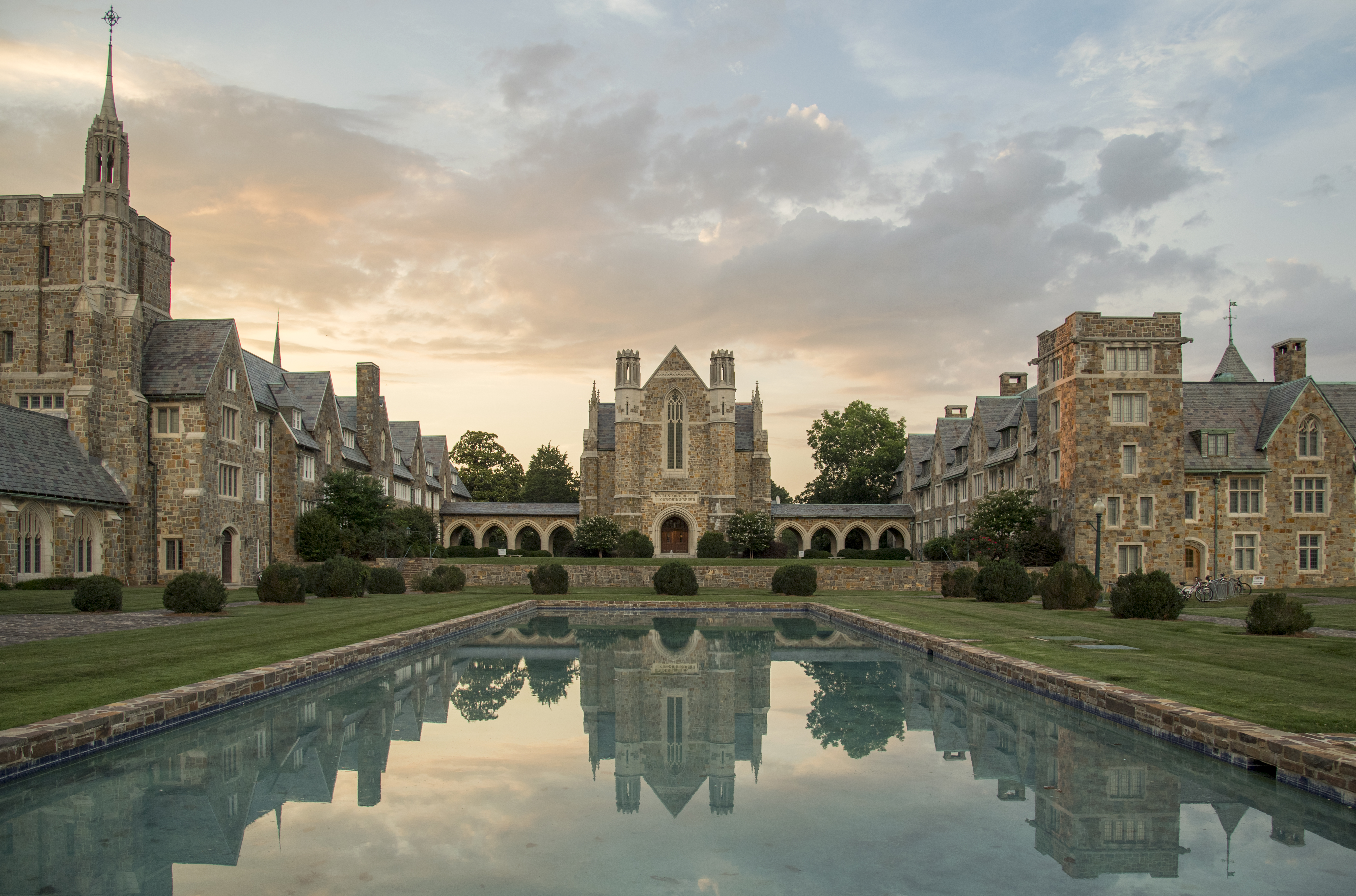
This comprehensive guide aims to demystify Boston’s collegiate landscape, providing a detailed overview of its major academic players, their locations, and what makes studying in this historic city an extraordinary experience. We’ll delve into the distinct clusters of universities, the various types of institutions available, and the unique student life that defines each campus and neighborhood.
Why Boston: A Magnet for Scholars and Innovators
The appeal of Boston extends far beyond its historic charm. The city fosters an environment ripe for intellectual growth, innovation, and career development. Students benefit from:
- Unmatched Academic Resources: Access to extensive libraries, research facilities, and inter-university collaborations.
- Networking Opportunities: A dense network of alumni, industry leaders, and professionals across various sectors.
- Cultural Richness: Museums, theaters, music venues, and historical sites offering endless enrichment.
- Dynamic Job Market: Thriving sectors in biotech, healthcare, finance, tech, and education provide internship and employment prospects.
- A True College Town Feel: Despite being a major metropolis, Boston embraces its student population, offering student discounts, events, and a youthful energy.
Understanding the ‘Map’: Geographical Clusters of Boston Colleges
While not a literal street map, visualizing Boston’s colleges involves understanding distinct geographical clusters where institutions are concentrated. These areas often share a unique character and provide different experiences.
Cambridge: The Iconic Academic Powerhouse
Just across the Charles River, Cambridge is home to arguably the two most famous universities in the world: Harvard University and the Massachusetts Institute of Technology (MIT). This area pulsates with intellectual energy and groundbreaking research.
- Harvard University: Located in Harvard Square, this Ivy League institution is renowned for its undergraduate college, graduate schools (Law, Business, Medical), and extensive research facilities. Its historical campus is a destination in itself.
- Massachusetts Institute of Technology (MIT): Situated along the Charles River, MIT is a global leader in science, engineering, and technology. Its campus features iconic modern architecture and a culture of innovation.
- Lesley University: Also in Cambridge, Lesley is known for its programs in education, counseling, and the arts, offering a more intimate academic setting.
The Fenway-Kenmore Area: A Diverse Collegiate Hub
Southwest of downtown, the Fenway-Kenmore neighborhood is densely packed with a variety of institutions, creating a vibrant student-centric atmosphere, especially around the iconic Fenway Park.
- Boston University (BU): Stretching along Commonwealth Avenue, BU is one of the largest private universities in Boston, offering a vast array of undergraduate and graduate programs across its many schools and colleges.
- Northeastern University: Known for its pioneering co-op program, Northeastern integrates professional work experience with academic study, making it highly attractive to career-focused students.
- Berklee College of Music: A world-renowned institution for contemporary music and performing arts.
- Boston Conservatory at Berklee: Specializing in dance, music, and theater, it offers an intensive conservatory experience.
- Emmanuel College, Simmons University, Wentworth Institute of Technology, Massachusetts College of Art and Design (MassArt), MCPHS University: These institutions form a close-knit academic community, often sharing resources and fostering inter-campus collaboration.
Downtown and Beacon Hill: Urban Campus Experiences
In the heart of the city, several universities offer a distinct urban campus experience, integrating seamlessly with Boston’s historic architecture and bustling financial district.
- Suffolk University: With buildings scattered throughout Beacon Hill and downtown, Suffolk provides an immersive city experience, strong in law, business, and public affairs.
- Emerson College: Located near Boston Common, Emerson is a premier institution for communication and the arts, including film, journalism, and theater.
- University of Massachusetts Boston (UMass Boston): While its main campus is on Columbia Point, a short distance from downtown, UMass Boston is the city’s only public research university, offering a wide range of accessible programs.
The Longwood Medical Area: A Hub of Healthcare Innovation
Adjacent to the Fenway area, Longwood is a world-leading center for medicine and biomedical research, home to several prestigious medical and health sciences institutions.
- Harvard Medical School: Part of Harvard University, this is one of the top medical schools globally.
- Harvard School of Dental Medicine: Another component of Harvard University’s extensive academic offerings.
- MCPHS University: (Massachusetts College of Pharmacy and Health Sciences) offers diverse health-related programs.
Greater Boston and Suburban Gems: Expanding the Academic Reach
Beyond the immediate city limits, the Greater Boston area boasts additional highly respected institutions, many with beautiful, traditional campuses accessible by public transportation or short drives.
- Boston College (BC): Located in Chestnut Hill, BC is a leading Jesuit university known for its strong liberal arts, business, and law programs, offering a more traditional campus feel.
- Tufts University: Situated in Medford/Somerville, Tufts is a highly selective research university with a strong focus on international relations, medicine, and liberal arts.
- Brandeis University: In Waltham, Brandeis is a private research university known for its strong liberal arts curriculum and commitment to social justice.
- Babson College: Located in Wellesley, Babson is renowned globally for its entrepreneurship programs.
- Wellesley College: Also in Wellesley, this is a highly prestigious women’s liberal arts college.
What are the types of institutions found on the map of Boston colleges?
- Research Universities: Institutions like Harvard, MIT, BU, Northeastern, and Tufts, known for extensive research, graduate programs, and a broad range of disciplines.
- Liberal Arts Colleges: Schools like Boston College, Brandeis, and Wellesley emphasize a broad education in the humanities, social sciences, and natural sciences.
- Specialized Schools: Berklee College of Music, MassArt, and Wentworth Institute of Technology cater to specific fields like arts, music, design, and engineering.
- Medical and Health Sciences Institutions: Harvard Medical School, MCPHS University, and various hospitals affiliated with universities form a critical part of the academic landscape.
- Community Colleges: Bunker Hill Community College and Roxbury Community College provide accessible education, vocational training, and pathways to four-year institutions.
How many colleges are in Boston?
While the exact number can vary depending on how one defines ‘in Boston’ (city limits vs. Greater Boston area), the city and its immediate surroundings are home to over 50 colleges, universities, and specialized institutions. This incredible density makes it one of the most concentrated academic regions in the world.
Is Boston a good place for college students?
Absolutely. Boston consistently ranks as one of the best cities globally for college students. The benefits include: academic prestige, diverse student body, cultural attractions, internship opportunities, vibrant social scene, and excellent public transportation.
What is the most prestigious college in Boston?
Prestige is subjective and often depends on the field of study. However, Harvard University and the Massachusetts Institute of Technology (MIT) are almost universally considered the most prestigious institutions in the Boston area, and indeed, among the most prestigious worldwide, across various rankings and disciplines.
What are the top 10 colleges in Boston?
Ranking institutions can be complex, but based on national and global recognition for academic excellence, research output, and selectivity, a list of top Boston-area colleges often includes:
- Harvard University
- Massachusetts Institute of Technology (MIT)
- Tufts University
- Boston College (BC)
- Boston University (BU)
- Northeastern University
- Brandeis University
- Wellesley College
- Emerson College
- MCPHS University (for health sciences)
This list is not exhaustive and many other specialized institutions hold top rankings in their respective fields.
Navigating Boston: Transportation for Students
One of the defining features of the Boston student experience is the ease of navigating the city without a car. The Massachusetts Bay Transportation Authority (MBTA), affectionately known as the ‘T,’ offers an extensive network of subways, buses, and commuter rail lines.
Many universities offer discounted MBTA passes, and the interconnectedness of the system means students can easily travel between campuses, to internships, and to cultural attractions. Living near a T station is often a key consideration for students.
Student Life Beyond the Classroom
Boston offers a rich tapestry of experiences outside of academics. Students can enjoy:
- Professional Sports: Home to the Red Sox, Patriots, Celtics, and Bruins.
- Arts and Culture: The Museum of Fine Arts, Isabella Stewart Gardner Museum, Boston Symphony Orchestra, and numerous theaters.
- Historic Sites: The Freedom Trail, Paul Revere’s House, and Boston Common.
- Dining and Entertainment: Diverse culinary scene, live music venues, and vibrant nightlife.
- Outdoor Activities: Running along the Charles River, exploring the Boston Harbor Islands, or enjoying the city’s many parks.
The city’s vibrant startup culture and numerous incubators also provide an exciting backdrop for entrepreneurial-minded students.
Admissions and Application Insights
Given the high caliber of institutions, admission to Boston colleges can be highly competitive. Prospective students should:
- Research Programs Thoroughly: Understand the unique strengths and culture of each institution.
- Highlight Unique Skills: Emphasize extracurriculars, leadership, and personal achievements.
- Craft Compelling Essays: Articulate why a specific Boston institution is the right fit.
- Consider Early Action/Decision: If a clear top choice exists.
- Visit Campuses (if possible): Experience the atmosphere firsthand.
Conclusion: Your Academic Journey Starts Here
Boston truly is a city built for students. Its unparalleled concentration of colleges and universities, diverse academic programs, rich history, and dynamic urban environment create an extraordinary setting for higher education. Whether you’re seeking cutting-edge research, specialized artistic training, or a broad liberal arts education, the ‘map’ of Boston colleges offers an institution perfectly suited to your aspirations.
Exploring this academic hub is not just about finding a school; it’s about immersing yourself in a community that values knowledge, fosters innovation, and offers a launchpad for future success. Begin your journey to discover the perfect Boston college today.