Understanding the geographical and historical reasons behind Alabama’s time zone configuration is key to navigating its unique temporal landscape. We’ll delve into the specifics of Central Standard Time (CST) and Central Daylight Time (CDT), and then explore the distinct anomaly found in the state’s easternmost region, which aligns with the Eastern Time Zone.
The Dominant Time Zone: Central Standard Time (CST) and Central Daylight Time (CDT)
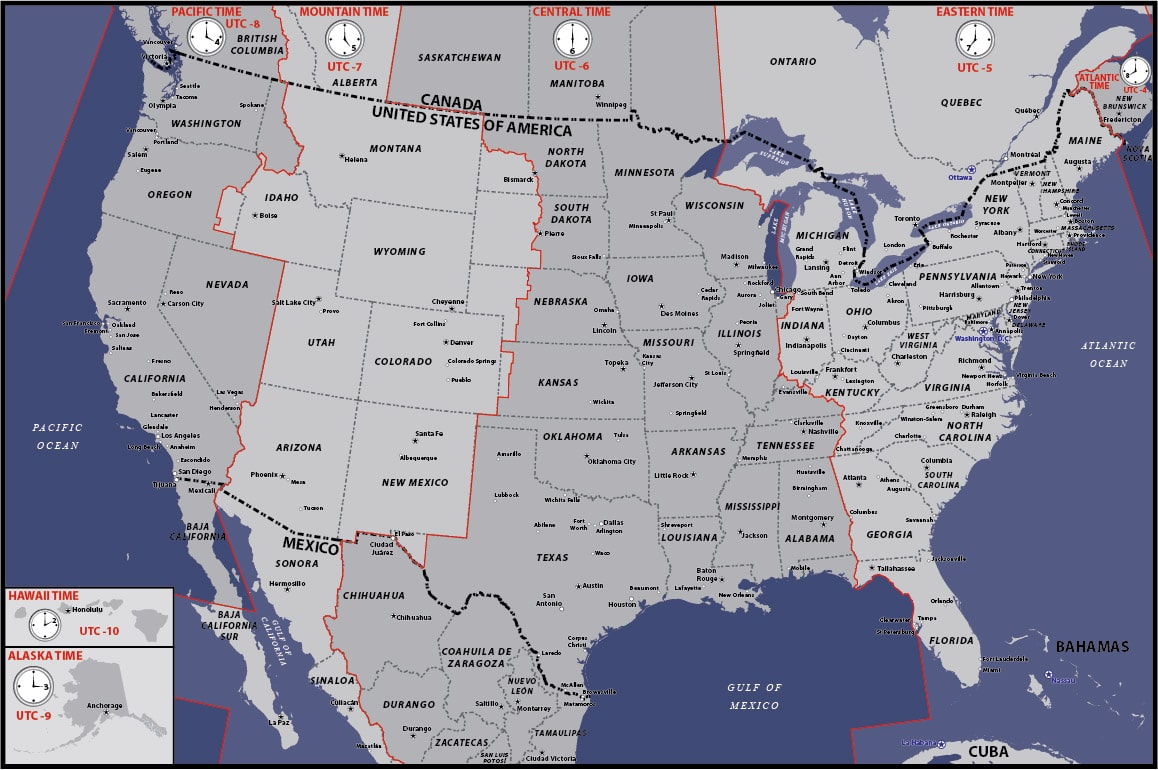
For most of Alabama, the clock adheres to the Central Time Zone. This means that during standard time, from roughly early November to mid-March, the state operates on Central Standard Time (CST), which is UTC-6. This offset indicates that it is six hours behind Coordinated Universal Time.
When Daylight Saving Time (DST) comes into effect, typically beginning on the second Sunday in March and ending on the first Sunday in November, the majority of Alabama springs forward by one hour. During this period, the state observes Central Daylight Time (CDT), shifting to UTC-5. This adjustment is a common practice across much of the United States, designed to make better use of daylight hours during warmer months.
The transition between CST and CDT is a routine event for Alabamians, impacting everything from school schedules to business hours. Most residents are accustomed to ‘springing forward’ and ‘falling back,’ adjusting their clocks accordingly. This unified approach to Daylight Saving Time across the bulk of the state simplifies daily life for millions.
This widespread adherence to Central Time means that major cities like Birmingham, Montgomery, Mobile, Huntsville, and Tuscaloosa all operate on CST/CDT. Whether you’re catching a football game, attending a business meeting, or simply planning your day, you can generally assume Central Time applies in these and most other Alabama locales.
The Eastern Time Zone Anomaly: Phenix City and Russell County
Here’s where Alabama’s time zone situation becomes unique. A specific, yet significant, portion of eastern Alabama operates on Eastern Time. This exception primarily encompasses Phenix City and the entirety of Russell County, along with some surrounding areas directly adjacent to the Georgia state line.
During standard time, these areas observe Eastern Standard Time (EST), which is UTC-5. When Daylight Saving Time is active, they switch to Eastern Daylight Time (EDT), aligning with UTC-4. This means that Phenix City is consistently one hour ahead of its Central Time Zone neighbors within Alabama.
The reason for this peculiar arrangement is largely pragmatic and historical, rooted in economic and social ties. Phenix City is often referred to as ‘The Good Life City’ and sits directly across the Chattahoochee River from Columbus, Georgia. Columbus is a much larger metropolitan area and a significant economic hub, operating entirely within the Eastern Time Zone.
To facilitate seamless commerce, commuting, and community life between Phenix City and Columbus, Russell County opted to align its clocks with its Georgian neighbor rather than the rest of Alabama. This decision minimizes confusion for businesses operating on both sides of the river, for families with members working or going to school in Columbus, and for general social interaction.
Imagine the logistical challenges if Phenix City were an hour behind Columbus. Daily commutes, shared events, and even simple phone calls would constantly require time conversions, leading to inefficiencies and errors. By adopting Eastern Time, Russell County essentially functions as an extension of the Columbus metropolitan area’s time schedule, despite being in a different state.
Visualizing the Divide: An Alabama Time Zones Map Explained
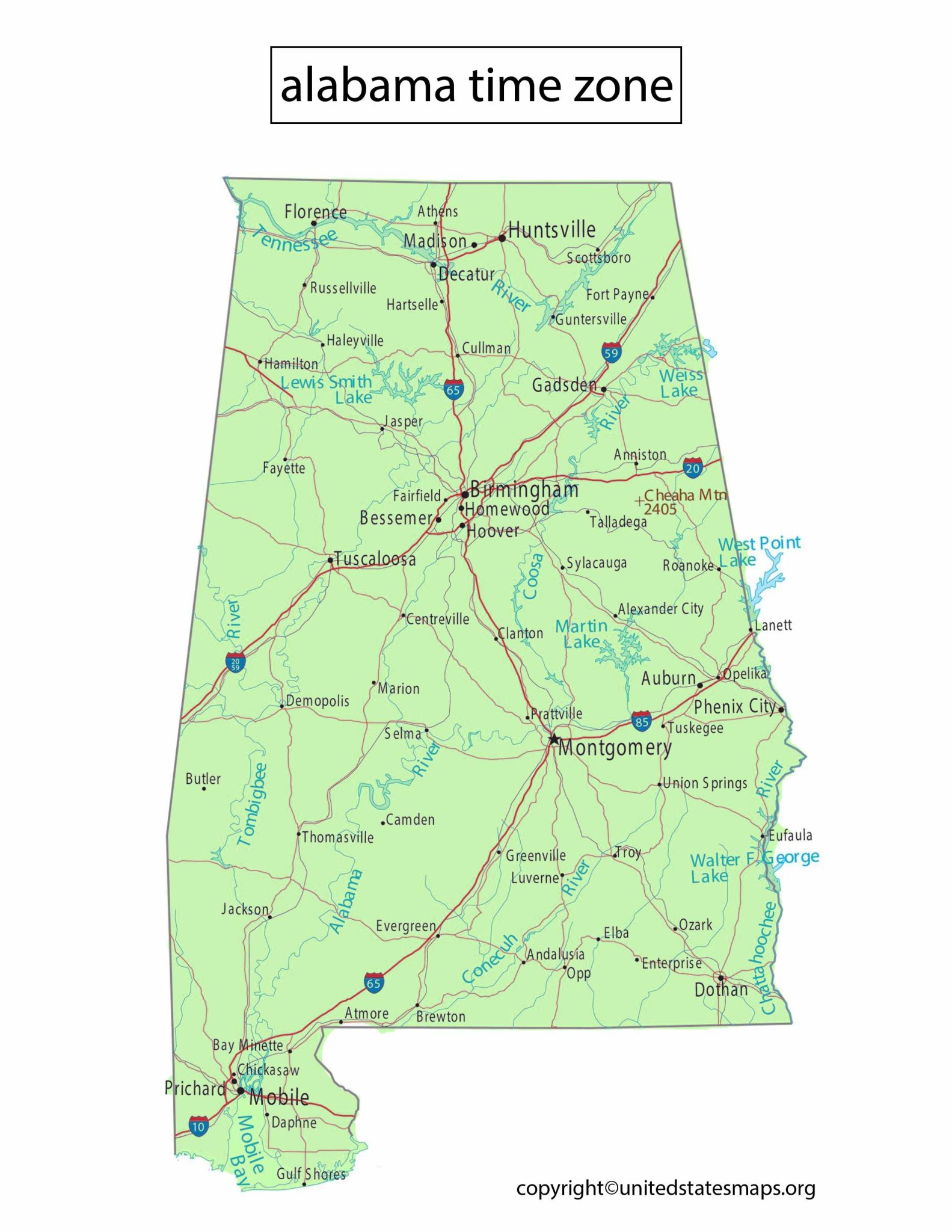
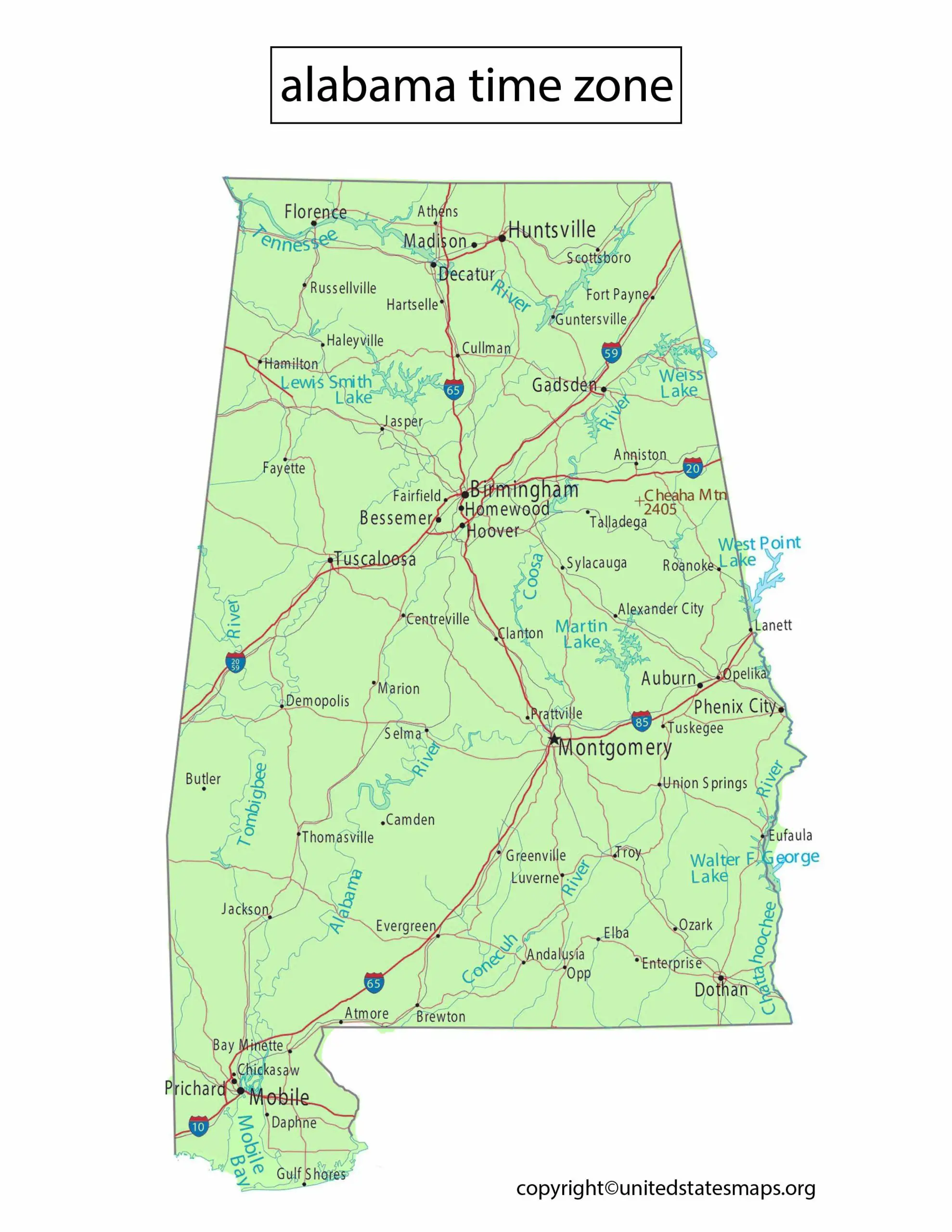
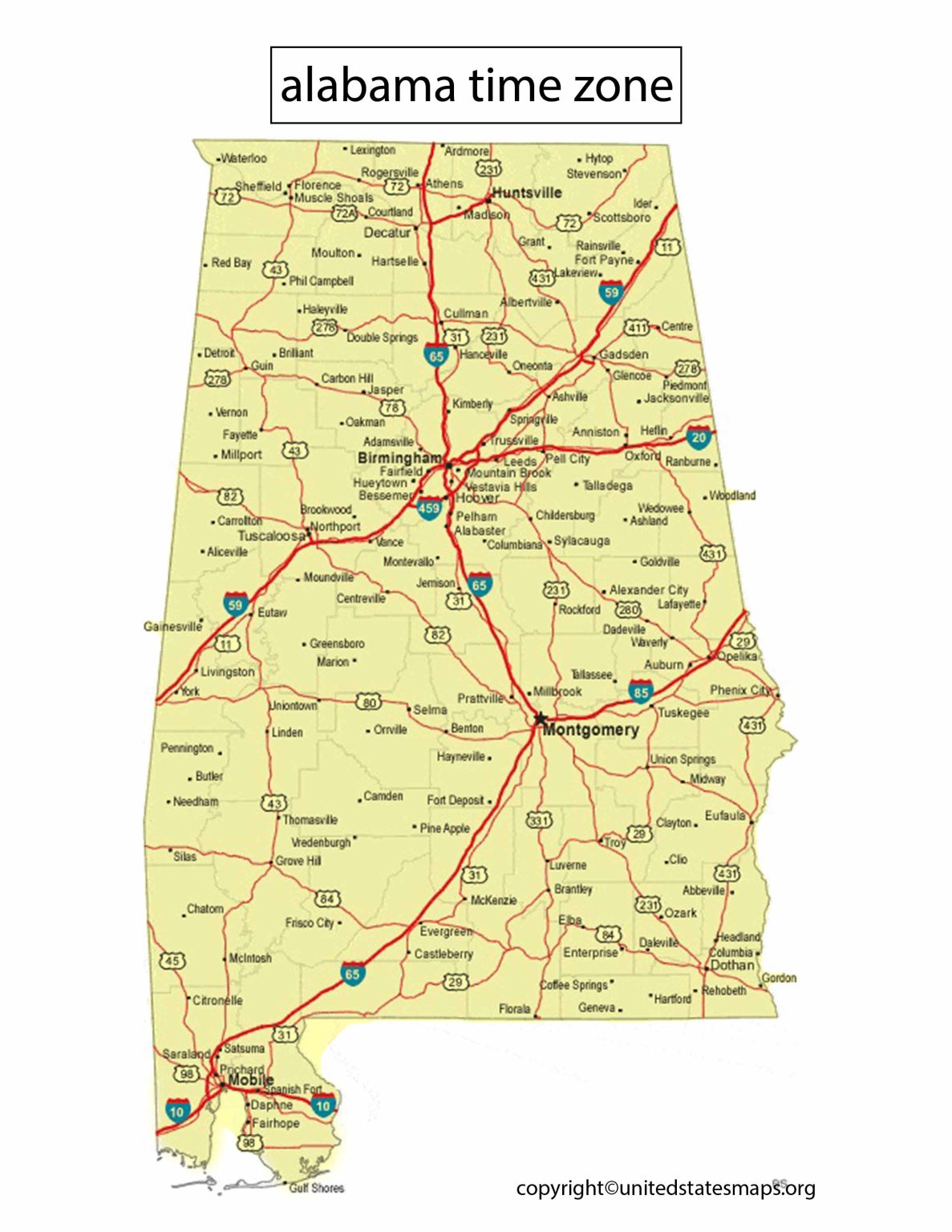
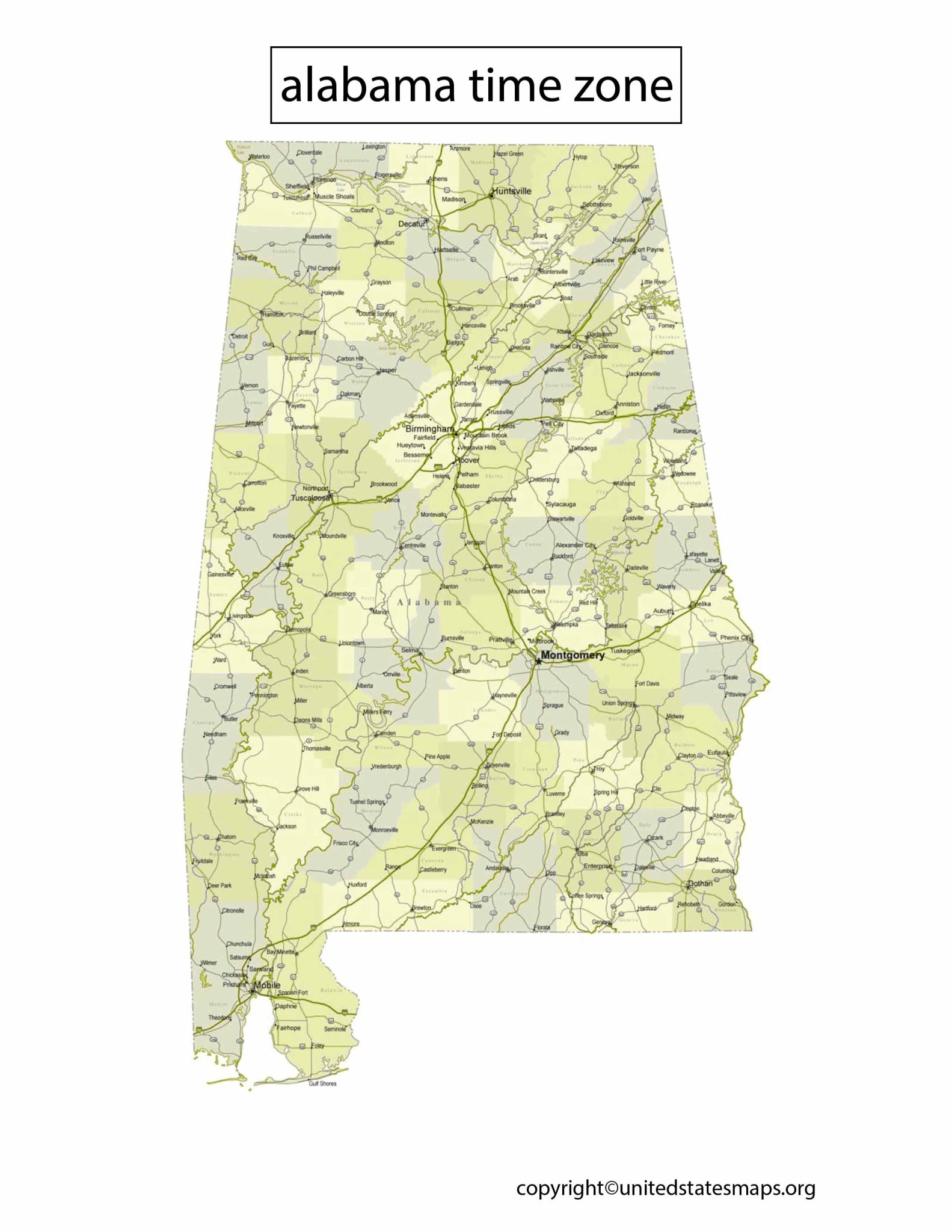
While we cannot physically display a map here, envision Alabama with a clear, albeit somewhat jagged, line running through its eastern flank. This line delineates the boundary between Central Time and Eastern Time. To the west of this line, you’d see the vast majority of the state in shades representing CST/CDT. To the east, specifically Russell County and Phenix City, you’d find a distinct patch indicating EST/EDT.
This ‘time zone line’ effectively runs along the western border of Russell County. For anyone traveling eastward into Russell County from other parts of Alabama, or westward out of it, a time change of one hour will occur. This is a crucial detail for planning travel itineraries, especially for those who might be unfamiliar with the state’s time zone nuances.
Understanding this geographical split is vital for anyone scheduling meetings, making appointments, or planning events that might involve participants from both sides of this temporal border. A simple oversight could lead to missed connections or significant delays.
Daylight Saving Time Across Alabama: A Harmonized Shift
Alabama, as a whole, observes Daylight Saving Time. This means that both the Central Time portion and the Eastern Time exception ‘spring forward’ and ‘fall back’ on the same dates as the rest of the United States that observes DST.
When the clocks move forward in March, Central Standard Time (CST) becomes Central Daylight Time (CDT), shifting from UTC-6 to UTC-5. Simultaneously, Eastern Standard Time (EST) in Russell County becomes Eastern Daylight Time (EDT), moving from UTC-5 to UTC-4.
The critical point is that the one-hour difference between the two time zones within Alabama remains constant. Whether it’s standard time or daylight saving time, Phenix City and Russell County will always be one hour ahead of cities like Montgomery or Birmingham.
This consistent one-hour differential simplifies things somewhat, as you don’t have to worry about the time difference changing based on the season. It’s always a straightforward ‘plus one hour’ when going from Central to Eastern within Alabama.
Practical Implications for Residents and Businesses
For residents, living near or in the time zone boundary requires a heightened awareness. Those commuting from a Central Time county into Phenix City for work or school must adjust their internal clocks daily. Similarly, scheduling family events or appointments with people across the boundary necessitates clear communication about which time zone is being referenced.
Businesses operating across Alabama’s time zones face specific logistical considerations. Shipping and delivery schedules, conference calls involving multiple locations, and customer service operations must account for the one-hour difference. Companies with offices in both Central and Eastern Time parts of Alabama often standardize internal meeting times or explicitly state the time zone for clarity.
For travelers, particularly those driving through the state, it’s essential to be mindful. A flight departing from Columbus, Georgia (EDT/EST) might seem to leave at the same time as a connecting flight from Montgomery (CDT/CST) if you’re not paying attention to the time zone difference. Always confirm local times for accommodations, attractions, and transportation.
Comparing Alabama to its Neighbors: A Broader Context
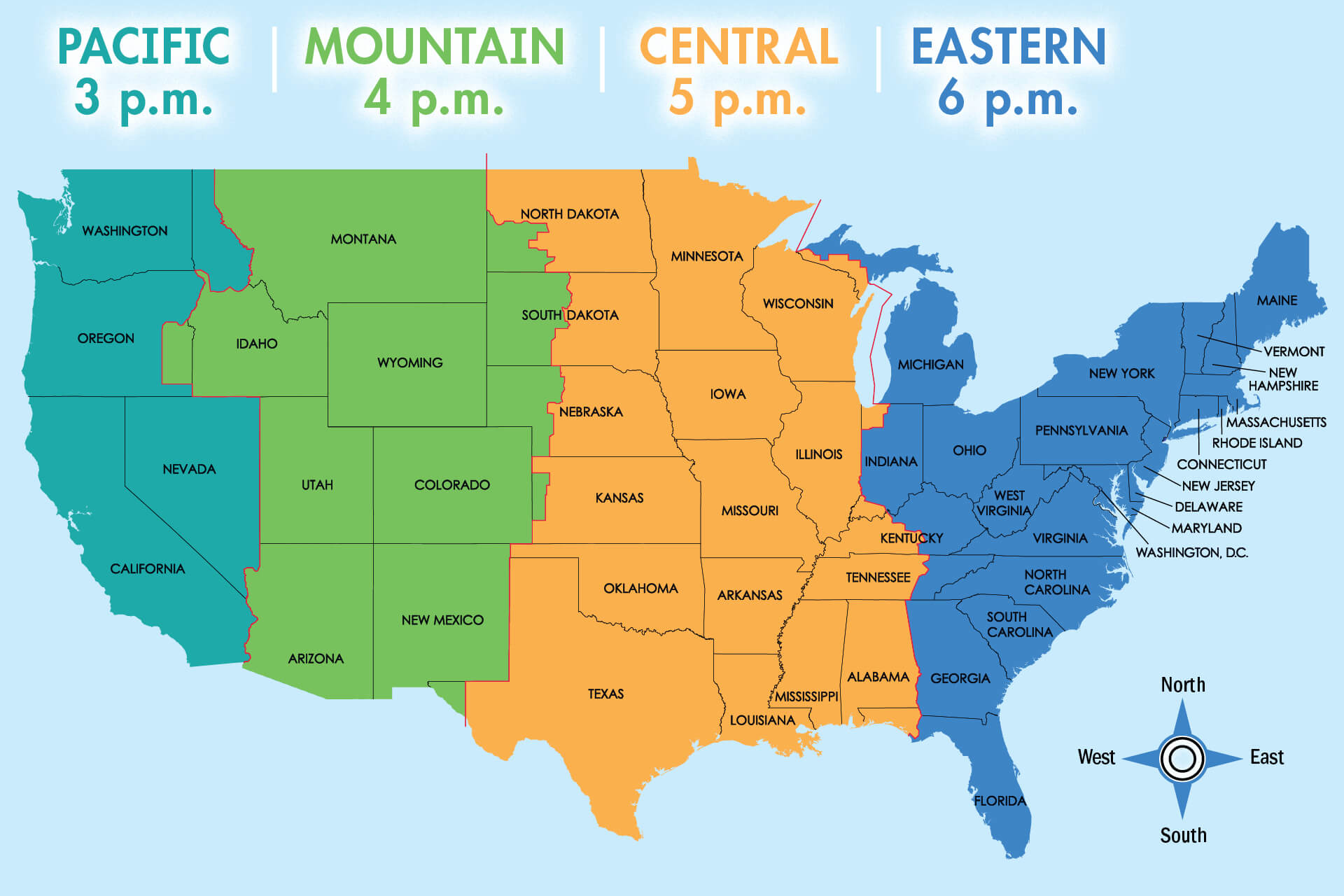
- Georgia: Entirely in the Eastern Time Zone (EST/EDT). This is the primary reason for Phenix City’s alignment.
- Mississippi: Entirely in the Central Time Zone (CST/CDT).
- Tennessee: A split state, with East Tennessee in Eastern Time and Middle/West Tennessee in Central Time.
- Florida: Also a split state, with the panhandle (west of the Apalachicola River) in Central Time and the rest of the state in Eastern Time.
- Louisiana: Entirely in the Central Time Zone (CST/CDT).
This comparison highlights that Alabama is not alone in having a time zone split, but its specific reason for the split (economic ties to an adjacent state’s major city) is quite distinct from the more geographically driven splits seen in Tennessee or Florida.
Historical Context of Time Zones in the United States
The concept of standardized time zones in the United States largely emerged in the late 19th century, driven by the needs of the burgeoning railroad industry. Prior to this, towns often set their clocks based on local apparent solar noon, leading to thousands of local times and immense confusion for train schedules.
The major railroad companies adopted a system of four standard time zones in 1883. This was later formalized by the Standard Time Act of 1918, which established the official time zones for the U.S. and introduced Daylight Saving Time. Over the decades, the specific boundaries have been adjusted by the Department of Transportation (DOT) based on local economic and social factors, leading to the kind of exceptions we see in Alabama.
These adjustments are often made following petitions from local communities or state governments, prioritizing convenience, commerce, and community cohesion over strict adherence to geographical meridians. Phenix City’s case is a prime example of such a locally driven decision.
Tips for Managing Time Across Alabama’s Zones
- Always Verify Local Time: When communicating with someone in Russell County from another part of Alabama, explicitly confirm whether the time being discussed is Central or Eastern.
- Utilize Smart Devices: Modern smartphones, computers, and smartwatches automatically adjust for time zones and Daylight Saving Time, making them invaluable tools.
- Be Aware of DST Changes: Mark your calendar for the annual ‘spring forward’ and ‘fall back’ dates to ensure your manual clocks are updated.
- Communicate Clearly: When setting appointments or deadlines across the time zone boundary, always specify the time zone (e.g., ’10:00 AM CST’ or ’11:00 AM EST’).
- Consult Reliable Sources: For current time information, trust official government time websites or reputable weather services.
Frequently Asked Questions (FAQs) About Alabama Time Zones
Q: What time zone is most of Alabama in? A: Most of Alabama is in the Central Time Zone (CST/CDT).
Q: Is all of Alabama in Central Standard Time? A: No, Phenix City and Russell County, along the eastern border, are in the Eastern Time Zone (EST/EDT).
Q: What is the time difference between Phenix City and Montgomery? A: Phenix City (Eastern Time) is one hour ahead of Montgomery (Central Time).
Q: Does Alabama observe Daylight Saving Time? A: Yes, all of Alabama observes Daylight Saving Time, with both time zones adjusting accordingly.
Q: Why is Phenix City in a different time zone? A: To align with its economically and socially connected neighbor, Columbus, Georgia, which is in the Eastern Time Zone.
Conclusion: Mastering Alabama’s Unique Time Landscape
Alabama’s time zone map, while largely straightforward with its Central Time dominance, holds a fascinating exception in its eastern reaches. The alignment of Phenix City and Russell County with the Eastern Time Zone is a testament to the practical considerations that shape our temporal boundaries, prioritizing community and economic integration.
By understanding the distinction between Central Standard/Daylight Time and Eastern Standard/Daylight Time, residents, businesses, and visitors can navigate the Heart of Dixie with confidence. Awareness of this unique temporal split is not just a matter of knowing the correct time; it’s about appreciating the nuanced factors that contribute to Alabama’s distinct identity. So, whether you’re in Birmingham or Phenix City, remember to check your clock – and perhaps, the time zone – to stay perfectly in sync with Alabama’s rhythm.