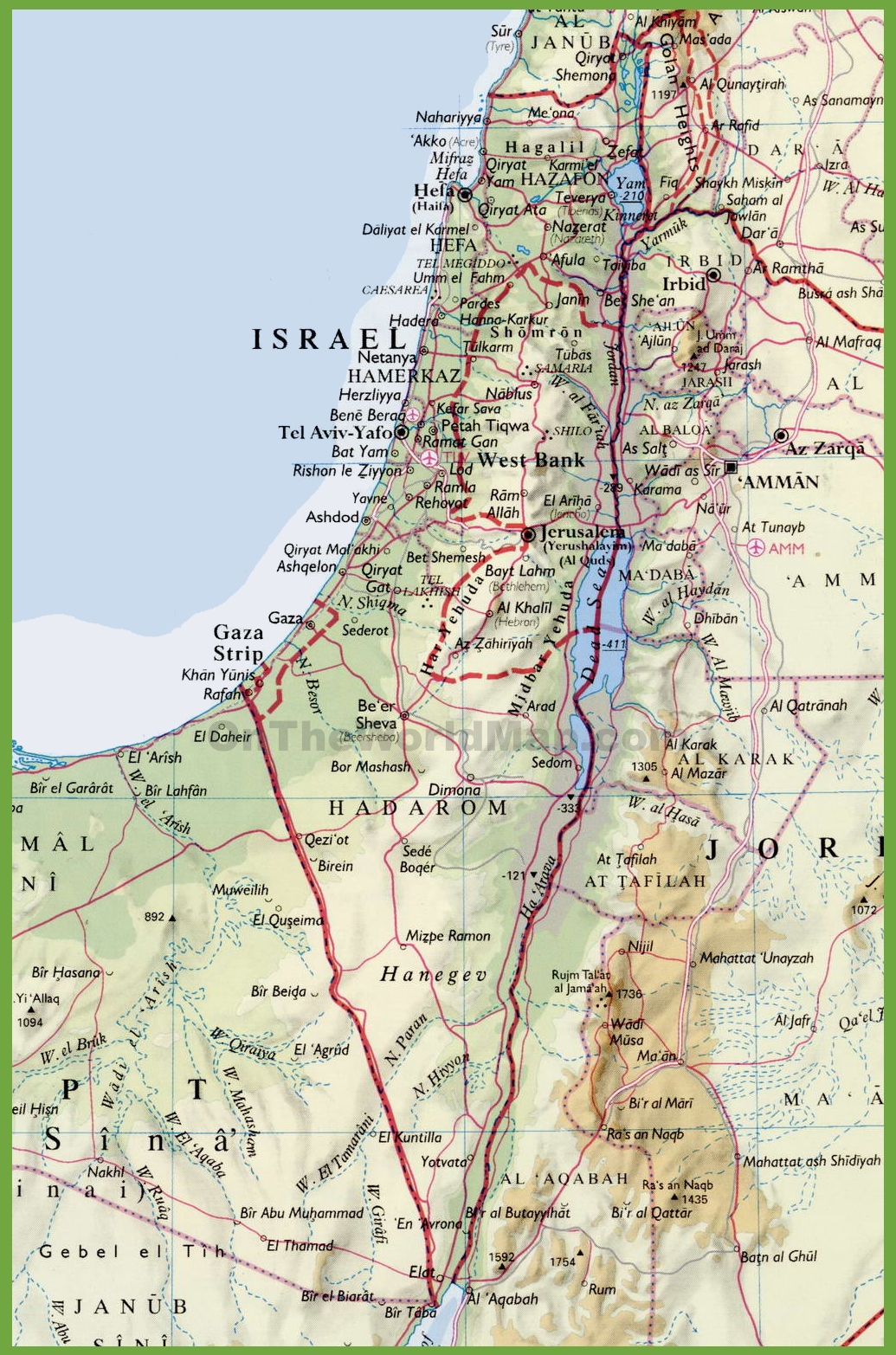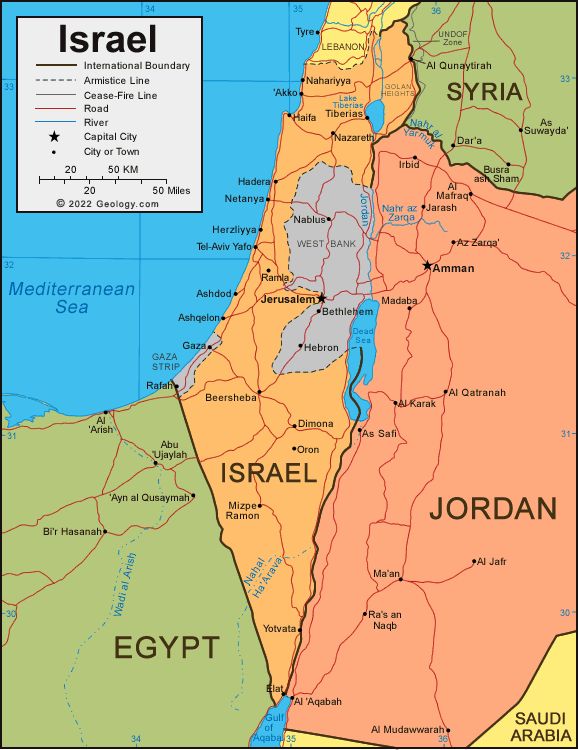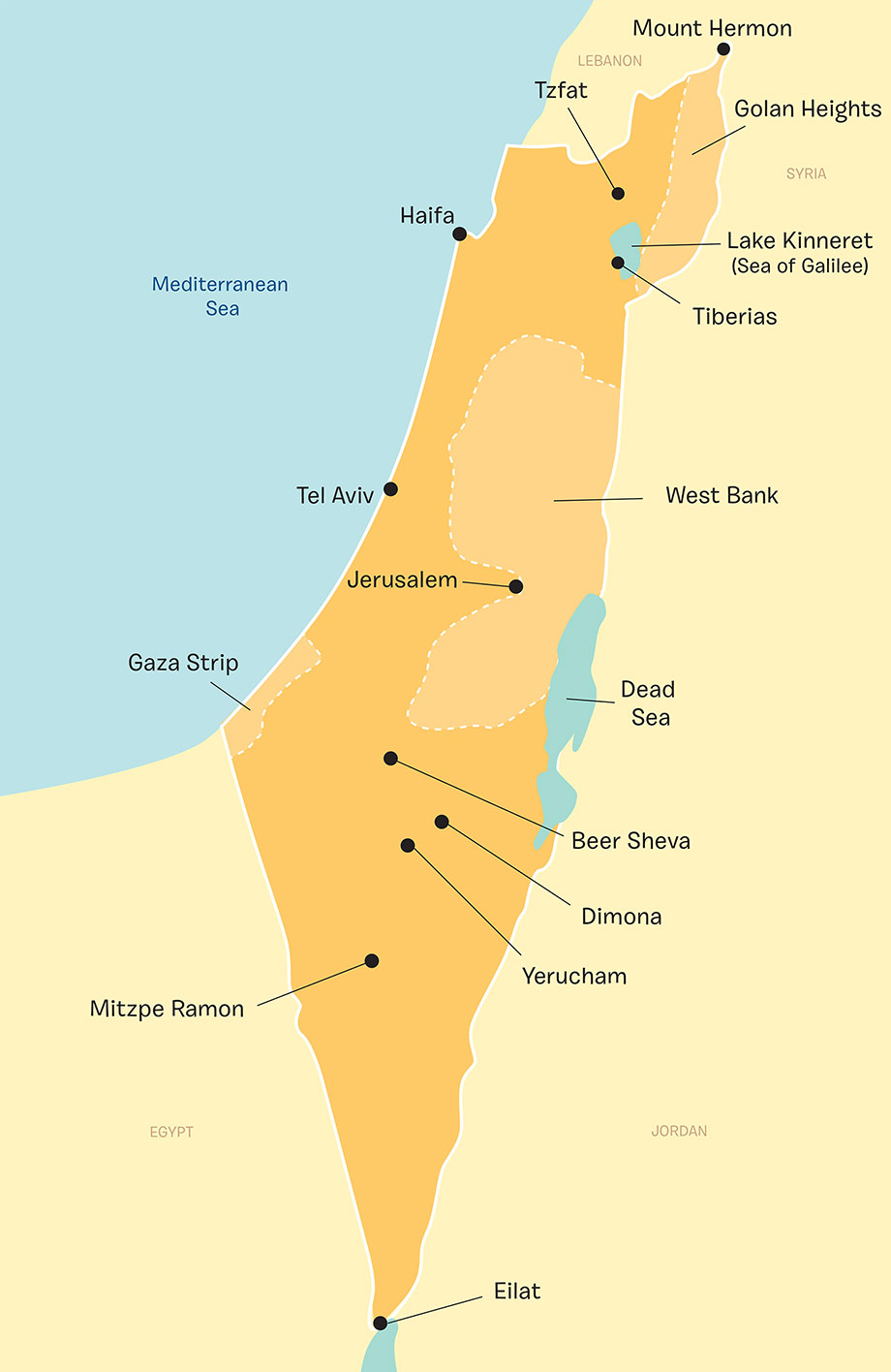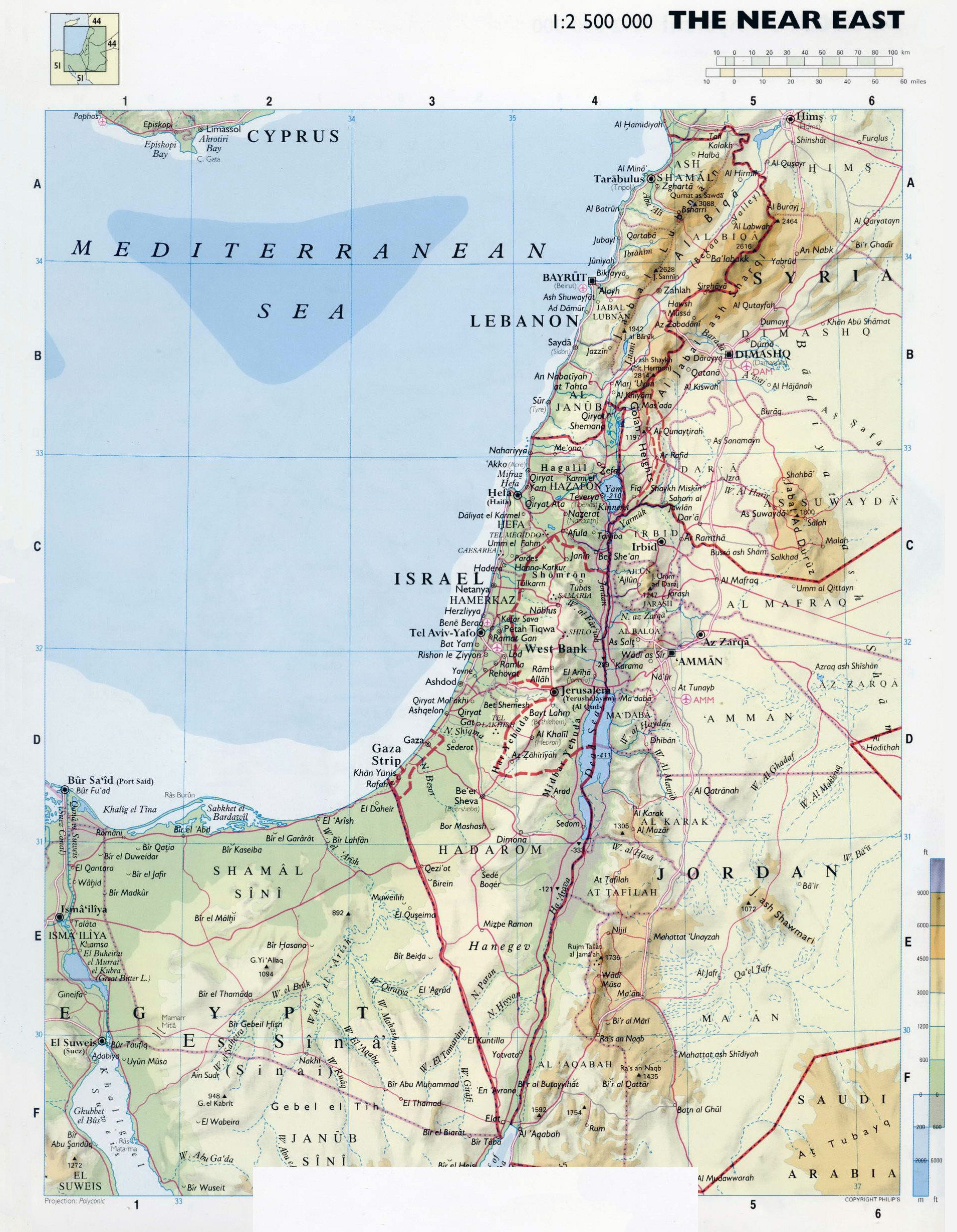
This comprehensive guide aims to demystify the contemporary map of Israel, offering an objective and detailed overview of its current geographical and political landscape. We will explore the country’s recognized borders, the areas under Israeli administration, and the territories whose status remains highly contested on the international stage.
Understanding Israel’s Core Geography
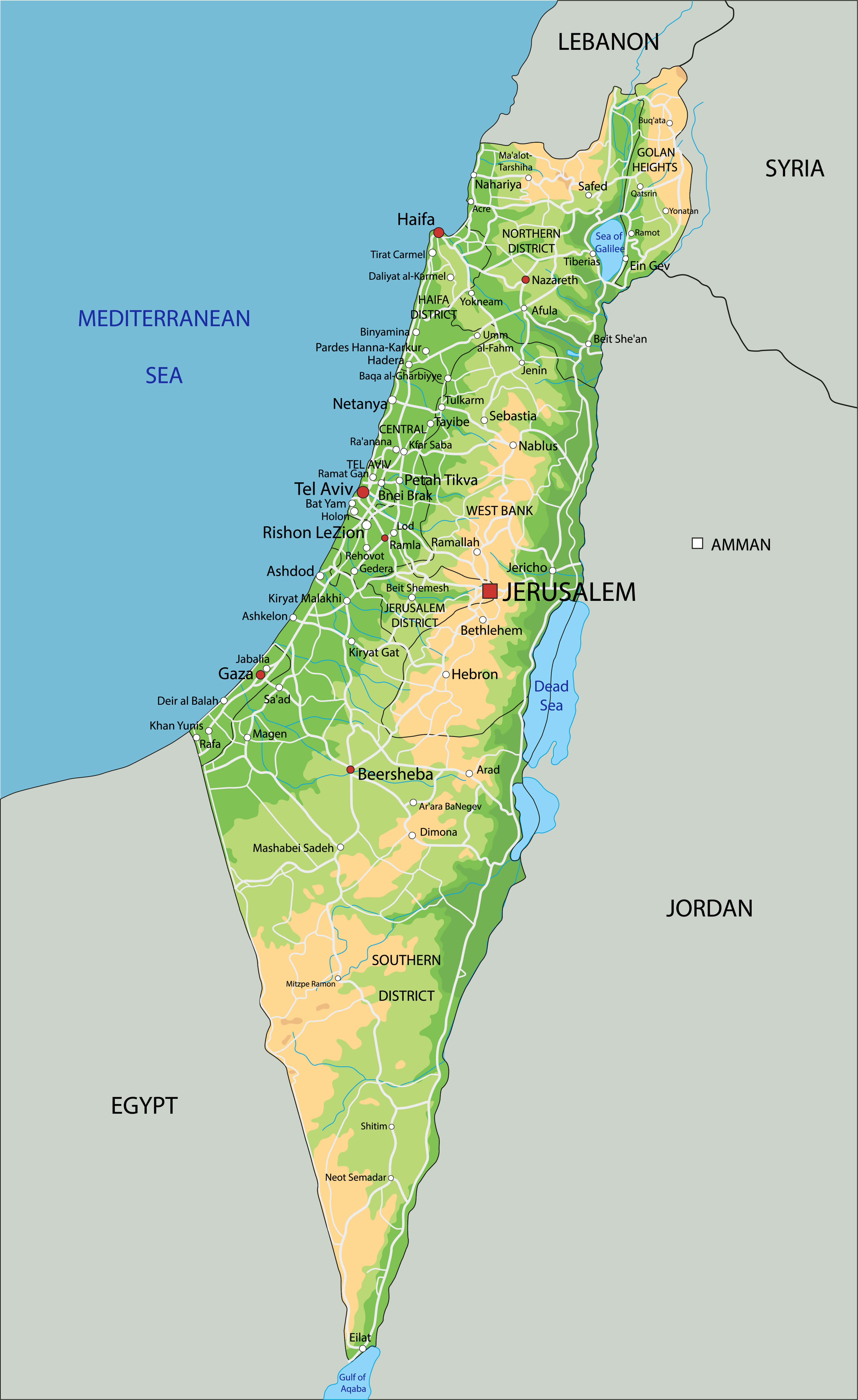
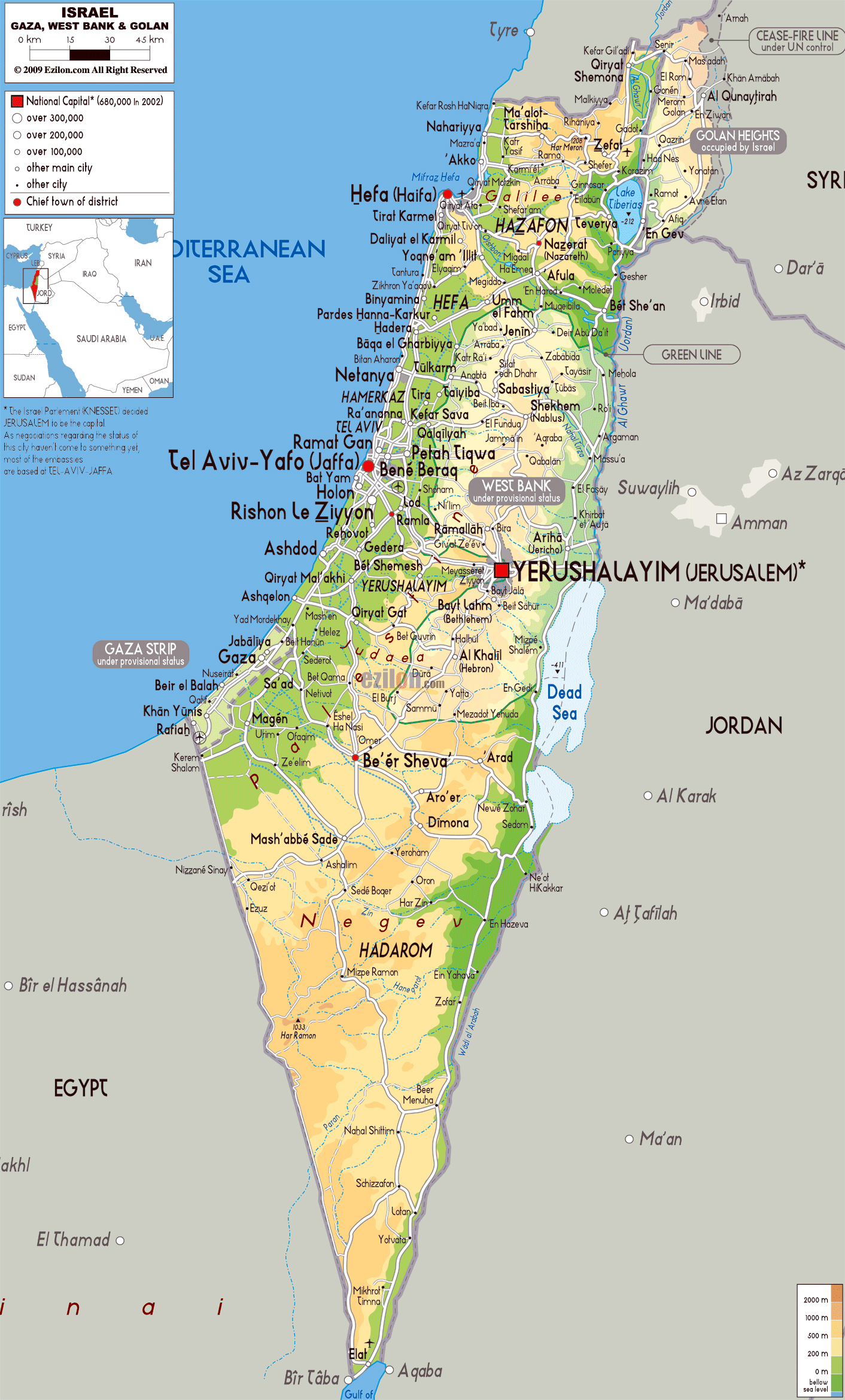
Geographically, Israel is a relatively small country located in the Middle East, along the eastern shore of the Mediterranean Sea. Its diverse landscape spans from the arid Negev Desert in the south to the fertile Galilee region in the north, and from the long Mediterranean coastline in the west to the Jordan Rift Valley in the east.
- Mediterranean Coast: Home to major cities like Tel Aviv and Haifa, this densely populated strip is Israel’s economic and cultural heartland.
- Galilee: A green, mountainous region in the north, known for its natural beauty and historical significance.
- Negev Desert: Occupying over half of Israel’s land area, this southern desert region is sparsely populated but crucial for agriculture and research.
- Jordan Rift Valley: Forming Israel’s eastern border with Jordan, this valley includes the Sea of Galilee (Lake Kinneret) and the Dead Sea, the lowest point on Earth.
Major population centers like Jerusalem, Tel Aviv, and Haifa are pivotal to understanding the country’s internal distribution and infrastructure, often serving as focal points for both domestic life and international attention.
A Brief Historical Context of Borders
The current map of Israel is profoundly shaped by historical events, particularly the 20th century. The British Mandate for Palestine (1920-1948) laid some foundational administrative boundaries. However, the most significant shifts occurred with the 1948 Arab-Israeli War and the subsequent 1949 Armistice Agreements, which established the ‘Green Line’ – Israel’s internationally recognized pre-1967 borders.
The 1967 Six-Day War brought about further dramatic changes, with Israel occupying territories including the West Bank, Gaza Strip, Golan Heights, and East Jerusalem. These occupations have had a lasting impact on the region’s geopolitical configuration, leading to the complex map we see today.
The Green Line: Israel’s De Facto Boundary
The ‘Green Line’ refers to the demarcation lines set out in the 1949 Armistice Agreements between Israel and its Arab neighbors (Egypt, Jordan, Lebanon, and Syria) following the 1948 Arab-Israeli War. While not internationally recognized as permanent borders, these lines served as Israel’s de facto boundaries until 1967.
Today, the Green Line remains a crucial reference point for international law and diplomatic efforts, distinguishing between sovereign Israeli territory and the territories occupied by Israel in 1967. Its presence on maps often signifies the internationally accepted pre-1967 borders.
The West Bank: A Complex Mosaic
The West Bank is perhaps the most complex and contested territory on the map of Israel today. Occupied by Israel since 1967, it is home to a significant Palestinian population and numerous Israeli settlements.
- Area A: Under full civil and security control of the Palestinian Authority (PA). It includes most Palestinian cities.
- Area B: Under Palestinian civil control and joint Israeli-Palestinian security control. It comprises most Palestinian towns and villages.
- Area C: Under full Israeli civil and security control. This area constitutes about 60% of the West Bank and includes all Israeli settlements, military bases, and major access roads.
The presence and expansion of Israeli settlements in the West Bank are considered illegal under international law by most of the international community, though Israel disputes this. The separation barrier, or ‘security fence,’ built by Israel largely within the West Bank, further alters the perceived landscape and impacts daily life for Palestinians.
The Gaza Strip: An Enclave Under Blockade
The Gaza Strip is a small, densely populated Palestinian territory bordered by Israel, Egypt, and the Mediterranean Sea. Israel withdrew its settlements and military presence from Gaza in 2005. Since 2007, Gaza has been governed by Hamas, an Islamist militant group.
Due to security concerns, Israel and Egypt maintain a strict blockade on Gaza, controlling the movement of goods and people. This has led to a severe humanitarian crisis and economic hardship within the strip, making it one of the most challenging regions on the map.
The Golan Heights: A Strategic Plateau
The Golan Heights, a strategic plateau bordering Syria, was captured by Israel from Syria in the 1967 Six-Day War. In 1981, Israel effectively annexed the territory, applying its laws, jurisdiction, and administration. This annexation is not recognized by the vast majority of the international community, which considers the Golan Heights to be occupied Syrian territory.
Despite international non-recognition, Israel maintains control, and Israeli settlements have been established there. The United States, however, recognized Israeli sovereignty over the Golan Heights in 2019, a move that diverged from longstanding international consensus.
The Status of Jerusalem
Jerusalem holds profound religious significance for Jews, Christians, and Muslims. Its status is one of the most contentious issues in the Israeli-Palestinian conflict. Israel considers Jerusalem its undivided capital, including East Jerusalem, which it captured in 1967 and later annexed.
The international community, however, largely views East Jerusalem as occupied territory and does not recognize Israel’s annexation. Most countries maintain their embassies in Tel Aviv, though a few, including the United States, have moved their embassies to Jerusalem.
Israel’s Recognized International Borders
- Egypt: The border with Egypt was established by the 1979 Egypt-Israel Peace Treaty.
- Jordan: The border with Jordan was formalized by the 1994 Israel-Jordan Peace Treaty.
The borders with Lebanon and Syria remain technically armistice lines, although a de facto border with Lebanon is largely respected. The absence of peace treaties with all its neighbors contributes to the dynamic nature of Israel’s map and its security challenges.
International Perspectives and Disputed Territories
The ‘map of Israel today’ is viewed differently across the globe. Many international organizations, including the United Nations, adhere to resolutions that call for Israel’s withdrawal from territories occupied in 1967, emphasizing the illegality of settlements.
The term ‘disputed territories’ is often used to describe the West Bank, Gaza Strip, and Golan Heights, reflecting the lack of international consensus on their final status. These disputes are central to ongoing peace efforts and the aspiration for a two-state solution, which envisions an independent Palestinian state alongside Israel.
Why is the Map of Israel So Complex?
- Historical Conflicts: Decades of wars and conflicts have redrawn lines and established new realities on the ground.
- Religious and Cultural Significance: The land holds immense religious importance for multiple faiths, leading to deep-seated claims.
- Political Claims: Competing national narratives and political aspirations of Israelis and Palestinians.
- International Law and Diplomacy: Varying interpretations of international law and a lack of universal consensus on borders and territorial rights.
- Demographic Realities: The presence of diverse populations (Jews, Arabs, Druze, etc.) with different allegiances and rights claims.
Each of these elements contributes to a map that is less about static geography and more about a living, breathing political and human landscape.
Navigating the Map: Practical Implications
For residents, the distinctions on the map have profound practical implications. Travel restrictions, checkpoints, varying legal systems, and access to resources are daily realities for many, particularly Palestinians living in the West Bank and Gaza.
The map also influences economic development, infrastructure projects, and environmental policies across the region, highlighting the need for careful consideration of all populations affected by territorial divisions.
The Future Outlook and Peace Prospects
The map of Israel today is not necessarily its map tomorrow. Future peace agreements, diplomatic breakthroughs, or even further conflicts could significantly alter its configuration. The ‘two-state solution’ remains a widely supported international framework for resolving the Israeli-Palestinian conflict, which would entail the establishment of an independent Palestinian state alongside Israel, based largely on the 1967 lines with mutually agreed land swaps.
However, the political will, ongoing settlement expansion, and deeply entrenched positions on all sides present significant obstacles to achieving such an outcome. The map, therefore, remains a symbol of both division and the potential for a peaceful, negotiated future.
Conclusion: A Map of Enduring Significance
In conclusion, the map of Israel today is a multifaceted and highly sensitive subject. It is defined by its core geography, shaped by a tumultuous history, and constantly influenced by ongoing political and demographic realities. From the internationally recognized Green Line to the contested territories of the West Bank, Gaza Strip, and Golan Heights, each line and shaded area tells a story of conflict, coexistence, and complex claims.
Understanding this map is crucial for anyone seeking to grasp the dynamics of the Middle East. It is a map that reflects not just land, but also the aspirations, identities, and challenges of millions of people who call this ancient and contested region home. Its evolving nature ensures that it will remain a focal point of international attention for the foreseeable future.