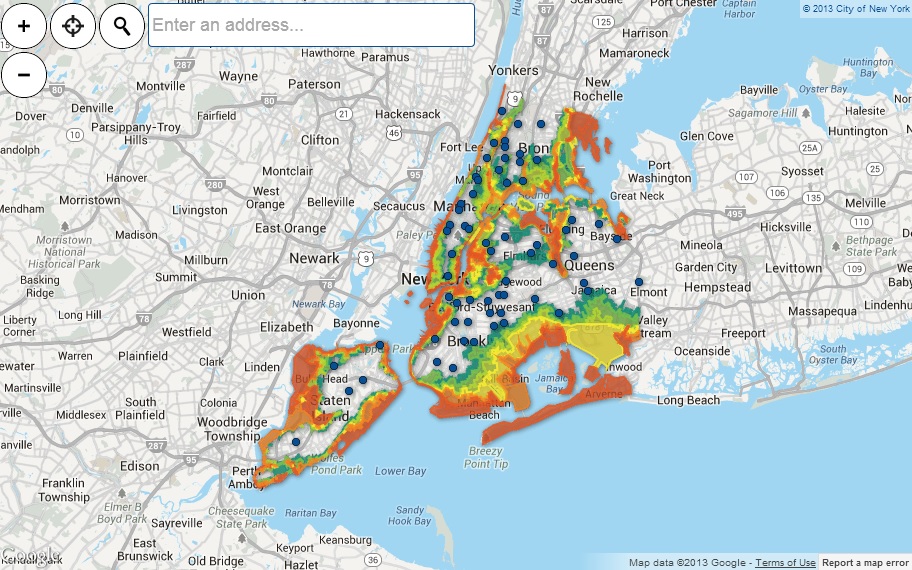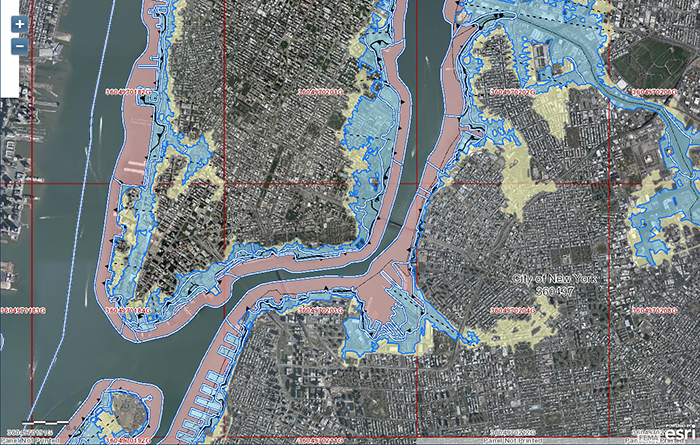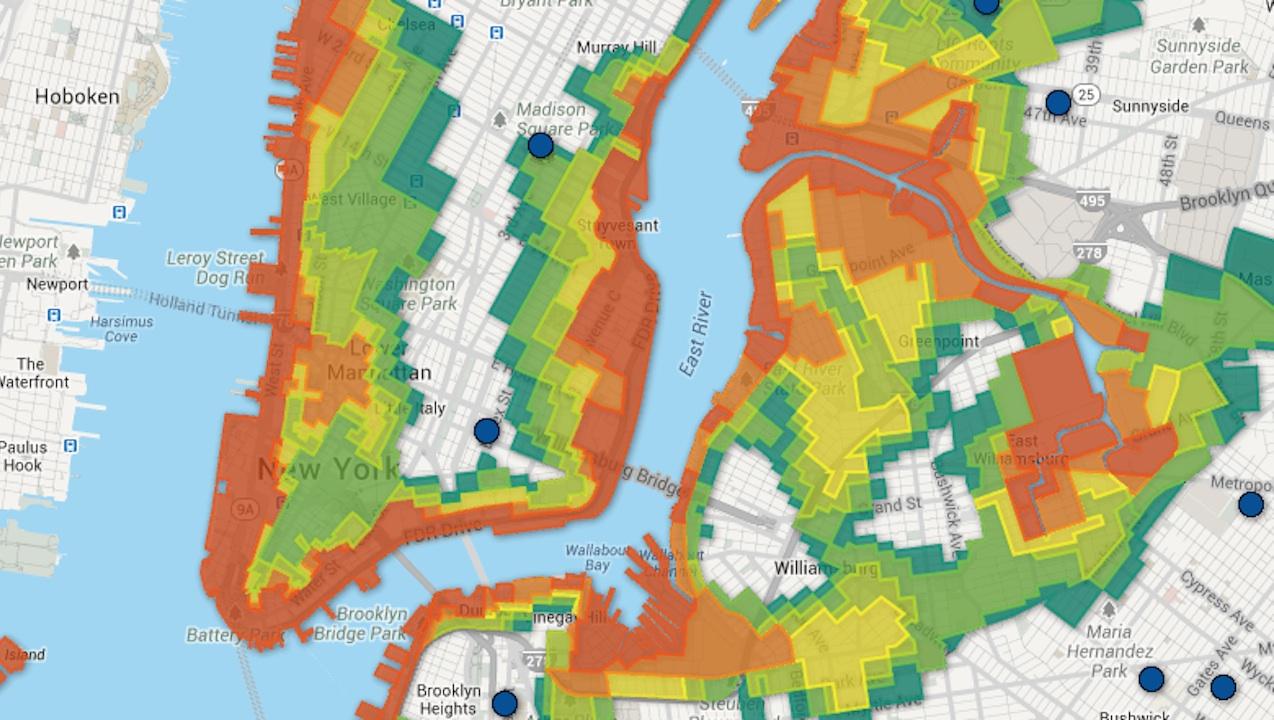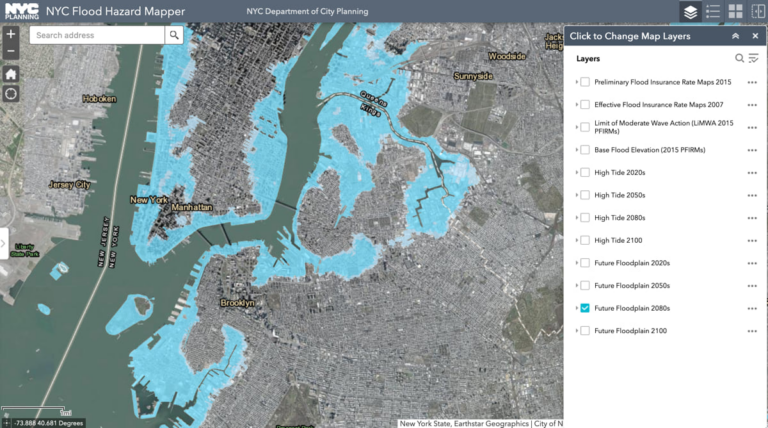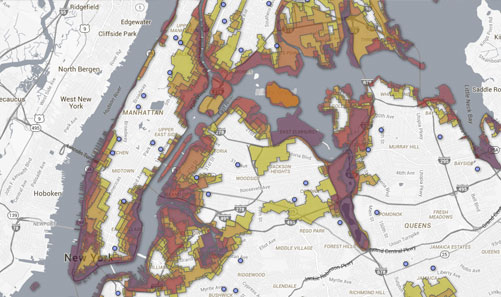
The NYC Flood Zone Map, officially known as the Flood Insurance Rate Map (FIRM), is a crucial tool created by the Federal Emergency Management Agency (FEMA). It delineates areas within New York City that are susceptible to flooding. These maps are used to determine flood insurance rates, building requirements, and eligibility for federal disaster assistance.
Why is the NYC Flood Zone Map Important? The map isn’t just a bureaucratic document; it’s a vital resource that helps individuals and communities understand their flood risk. It informs decisions about where to build, how to protect property, and whether to purchase flood insurance. Ignoring the map can have devastating financial consequences.
The Flood Insurance Rate Map (FIRM) is the official document. FEMA creates these maps by studying the flood history of an area, analyzing rainfall and river flow data, tidal surge, topographic surveys, and existing flood control measures. They then use this data to create a map of areas with different flood risks.
Zone A: Areas with a 1% annual chance of flooding (also known as the 100-year floodplain). These areas are subject to inundation from rivers, streams, and coastal surges. Mandatory flood insurance purchase requirements apply.
Zone AE: A subdivision of Zone A, AE zones are areas within the 100-year floodplain that have been further studied to determine Base Flood Elevations (BFEs). BFEs are the anticipated height floodwaters will reach during a 100-year flood event. Flood insurance is mandatory.
Zone VE: Coastal areas with a 1% or greater chance of flooding and subject to wave action. These zones have the highest flood risk, and construction standards are more stringent. Flood insurance is mandatory.
Zone X: Areas with a minimal risk of flooding. While flood insurance isn’t federally required in these zones, it is still recommended, as approximately 25% of flood insurance claims come from outside high-risk areas.
Zone B and C: Older classifications, generally now incorporated into Zone X. These zones represent areas of moderate to low flood risk.
You can access the NYC Flood Zone Map through the FEMA Flood Map Service Center (MSC). The MSC is an online portal where you can enter your address to determine your property’s flood zone. Additionally, the NYC Department of City Planning provides resources and tools to help residents understand flood risk.
- Visit the FEMA Flood Map Service Center website.
- Enter your address in the search bar.
- Review the flood map for your property.
- Note the flood zone designation and any associated Base Flood Elevation (BFE).
- Flood Zone: Properties in high-risk zones (A, AE, VE) will have higher premiums.
- Base Flood Elevation (BFE): Properties below the BFE are at greater risk and will have higher premiums.
- Building Construction: The type of construction (e.g., elevation, floodproofing) affects the rate.
- Coverage Amount: The amount of flood insurance coverage purchased impacts the premium.
Flood insurance is available through the National Flood Insurance Program (NFIP) and private insurance companies. The NFIP is a federal program administered by FEMA that provides flood insurance to homeowners, renters, and business owners in participating communities. Private flood insurance offers an alternative to the NFIP, with potentially different coverage options and rates.
Do I Need Flood Insurance? If your property is in a high-risk flood zone (A, AE, VE) and you have a mortgage from a federally regulated lender, flood insurance is mandatory. Even if it’s not required, consider purchasing flood insurance to protect your investment. Standard homeowner’s insurance does not cover flood damage.
- Elevation: Raising your property above the Base Flood Elevation (BFE) significantly reduces flood risk and can lower insurance premiums.
- Floodproofing: Implementing floodproofing measures, such as sealing walls and installing flood vents, can protect your property from damage.
- Dry Floodproofing: Making your building watertight to prevent floodwaters from entering.
- Wet Floodproofing: Allowing floodwaters to enter the building but protecting contents and structural elements from damage.
- Landscaping: Improving drainage and creating barriers to divert floodwaters.
- Seawalls and Levees: Constructing barriers to protect coastal areas from storm surges.
- Drainage Improvements: Upgrading drainage systems to handle increased rainfall.
- Natural Infrastructure: Restoring wetlands and creating green infrastructure to absorb floodwaters.
- Coastal Resiliency Projects: Initiatives aimed at protecting coastal communities from the impacts of climate change and sea-level rise.
Sea-level rise and climate change are exacerbating flood risks in New York City. As sea levels rise, coastal areas become more vulnerable to flooding during storms. Increased rainfall intensity also contributes to inland flooding. Staying informed about climate change projections and adapting to these changes is crucial for protecting property and ensuring community resilience.
How is the NYC Flood Zone Map Changing? The maps are periodically updated to reflect changes in flood risk due to sea-level rise, development, and other factors. Stay informed about map updates and their potential impact on your property.
What is a Letter of Map Amendment (LOMA)? If you believe your property has been incorrectly designated as being in a flood zone, you can apply for a Letter of Map Amendment (LOMA) from FEMA. A LOMA is an official determination that a property is not located in a floodplain.
What are the Community Rating System (CRS) Benefits? The Community Rating System (CRS) is a program that recognizes and encourages community floodplain management activities that exceed the minimum NFIP requirements. In CRS communities, flood insurance policyholders receive discounted premiums.
Understanding the NYC Flood Zone Map is essential for protecting your property and ensuring financial security. By understanding your flood risk, purchasing flood insurance, and implementing flood mitigation measures, you can safeguard your home and community from the devastating effects of flooding. Stay informed, be prepared, and take action to reduce your flood risk.
- The NYC Flood Zone Map identifies areas at risk of flooding.
- Flood insurance is often mandatory in high-risk zones.
- Mitigation measures can reduce flood risk and lower insurance premiums.
- Stay informed about map updates and climate change projections.