Understanding Climate Zones: A Primer
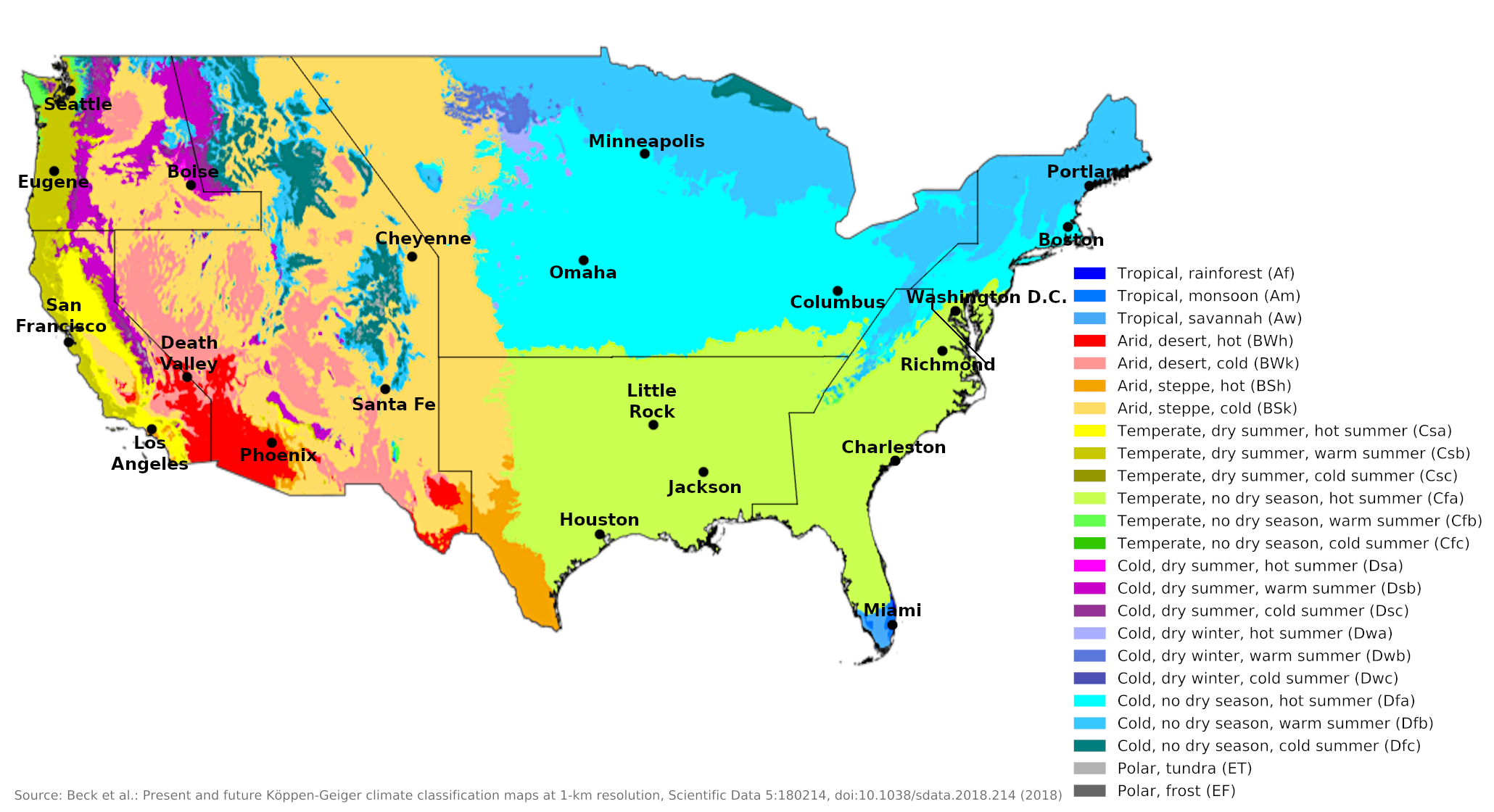
Before diving into the specifics of the US climate map, it’s essential to understand what climate zones are and how they are determined. A climate zone is a region with similar climate characteristics, such as temperature, precipitation, humidity, and seasonal patterns. Several classification systems exist, but the most widely used is the Köppen climate classification system.
The Köppen Climate Classification System
- Tropical (A): High temperatures year-round with significant rainfall.
- Dry (B): Characterized by low precipitation.
- Temperate (C): Moderate temperatures with distinct seasons.
- Continental (D): Hot summers and cold winters.
- Polar (E): Extremely cold temperatures year-round.
These main groups are further subdivided based on specific temperature and precipitation characteristics, resulting in a more detailed classification.
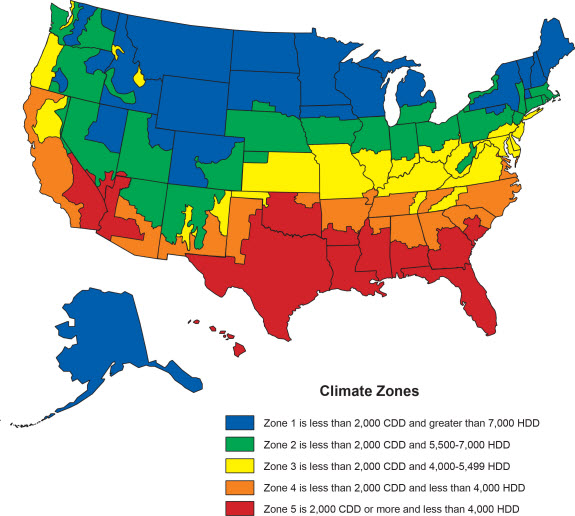
A Detailed Look at the Map of US Climate Zones
Tropical Climates (A)
- Tropical Rainforest (Af): Consistently high rainfall throughout the year, exemplified by parts of Hawaii.
- Tropical Monsoon (Am): A distinct wet and dry season, also found in parts of Hawaii.
Dry Climates (B)
- Arid (BW): Extremely dry conditions, often referred to as desert climates. Examples include the Mojave Desert and parts of Arizona.
- Semi-Arid (BS): Slightly more precipitation than arid climates, often referred to as steppe climates. Found in the Great Plains and parts of the Intermountain West.
Temperate Climates (C)
- Humid Subtropical (Cfa): Hot, humid summers and mild winters. Common in the southeastern US, including states like Florida, Georgia, and the Carolinas.
- Marine West Coast (Cfb): Mild temperatures year-round with abundant rainfall. Found along the Pacific Northwest coast, including Washington and Oregon.
- Mediterranean (Csa/Csb): Warm, dry summers and mild, wet winters. Characteristic of coastal California.
Continental Climates (D)
- Humid Continental (Dfa/Dfb): Warm to hot summers and cold, snowy winters. Found in the Midwest and Northeast, including states like Illinois, Michigan, and New York.
- Subarctic (Dfc): Short, cool summers and long, very cold winters. Found in interior Alaska.
Polar Climates (E)
- Tundra (ET): Short, cool summers and long, very cold winters. Found along the Arctic coast of Alaska.
- Ice Cap (EF): Permanent ice cover and extremely cold temperatures year-round. Found in the highest elevations of Alaska.
Factors Influencing US Climate Zones
- Latitude: The distance from the equator affects the amount of solar radiation received, influencing temperature.
- Altitude: Higher elevations generally experience colder temperatures.
- Proximity to Water: Coastal areas tend to have milder temperatures than inland areas due to the moderating effect of water.
- Mountain Ranges: Mountains can block moisture and create rain shadows, leading to dry climates on the leeward side.
- Ocean Currents: Warm and cold ocean currents can influence the temperature and precipitation patterns of coastal regions.
- Prevailing Winds: Wind patterns can transport air masses with different temperature and moisture characteristics.
Impact of Climate Zones
- Agriculture: Determines the types of crops that can be grown.
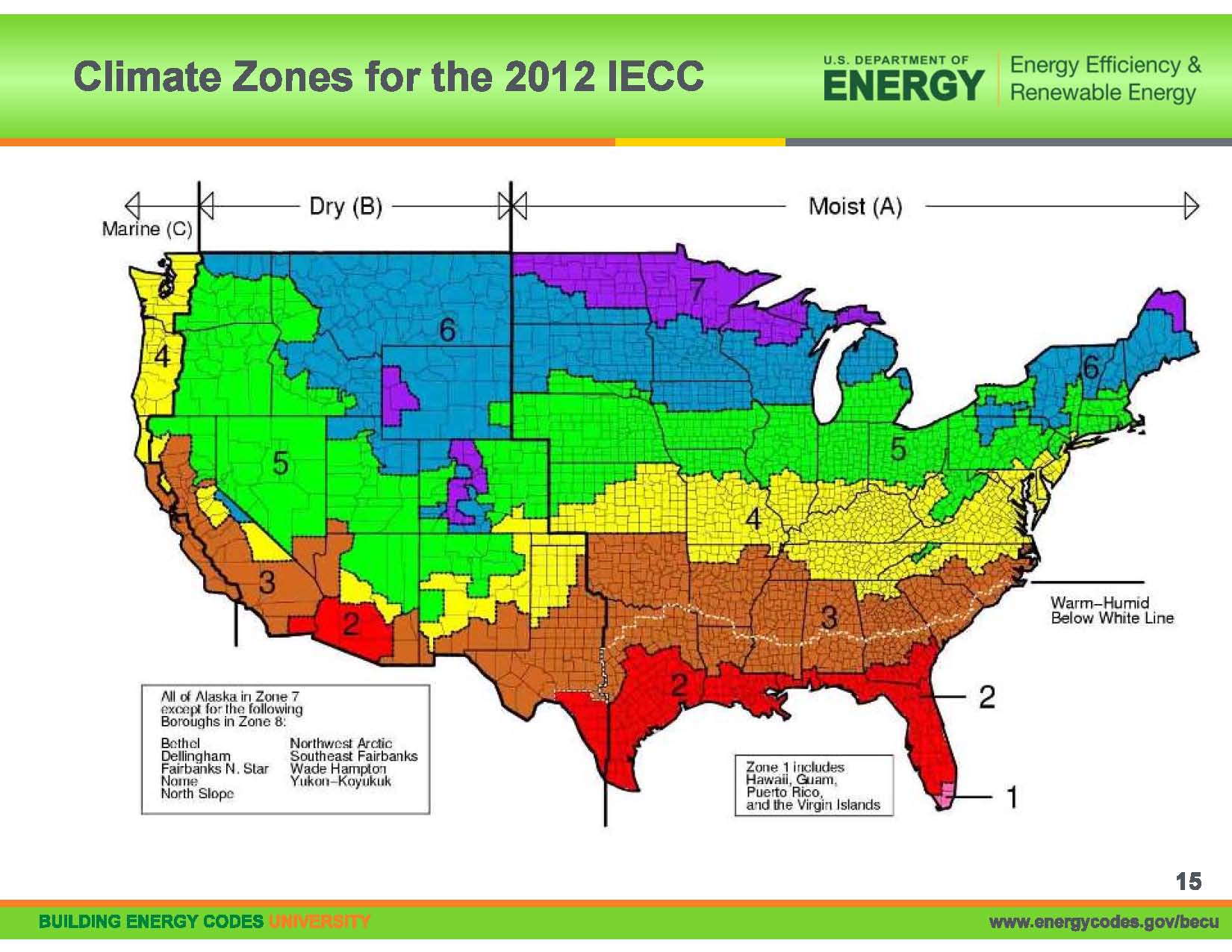
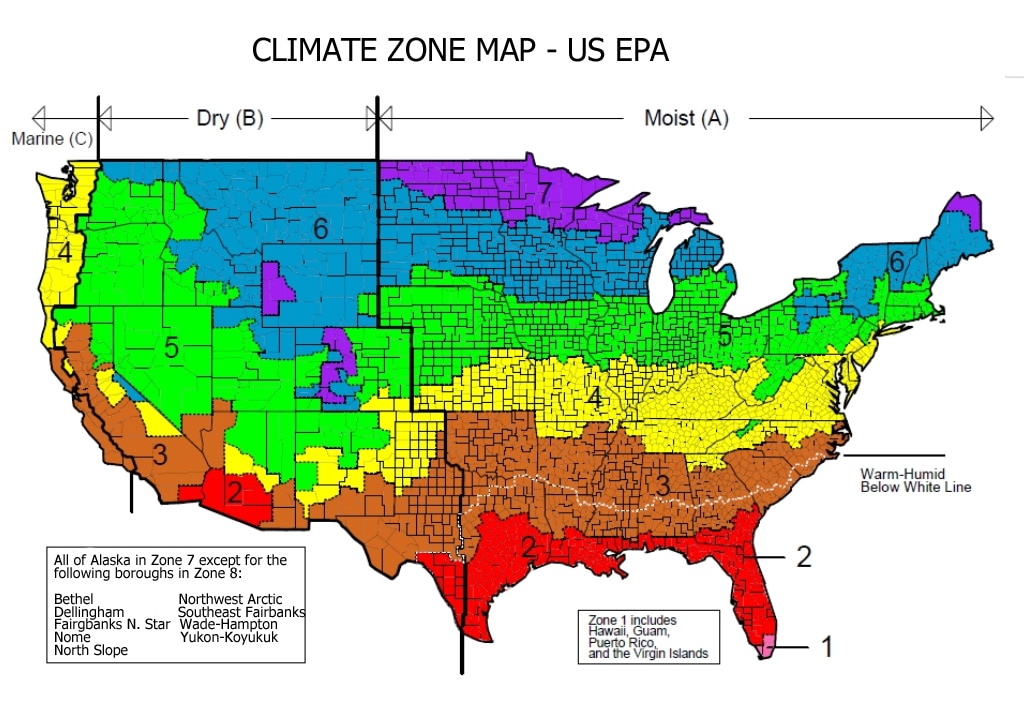
- Construction: Influences building codes and materials used.
- Energy Consumption: Affects heating and cooling needs.
- Recreation: Shapes outdoor activities and tourism.
- Natural Disasters: Dictates the types of weather-related hazards, such as hurricanes, tornadoes, and droughts.
People Also Ask (PAA) – Answering Common Questions
What is the most common climate zone in the US?
The most common climate zone in the contiguous United States is the Humid Continental (Dfa/Dfb) climate, found in the Midwest and Northeast. This zone is characterized by warm to hot summers and cold, snowy winters.
Which states have the most diverse climate zones?
California and Alaska have the most diverse climate zones due to their large size and varied topography. California encompasses Mediterranean, desert, and mountain climates, while Alaska includes subarctic, tundra, and ice cap climates.
How are climate zones changing due to global warming?
Global warming is causing shifts in climate zones across the US. Temperatures are rising, precipitation patterns are changing, and some zones are expanding or shifting northward. This can lead to increased risks of extreme weather events and impacts on ecosystems and agriculture.
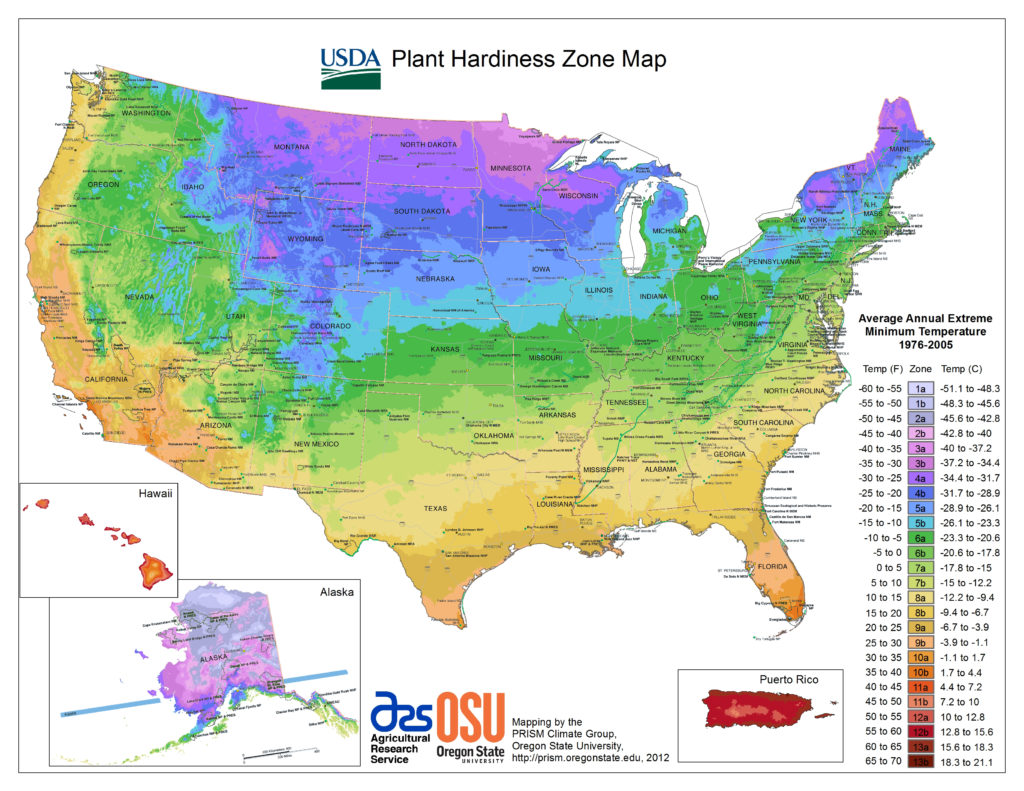
What is the USDA plant hardiness zone map?
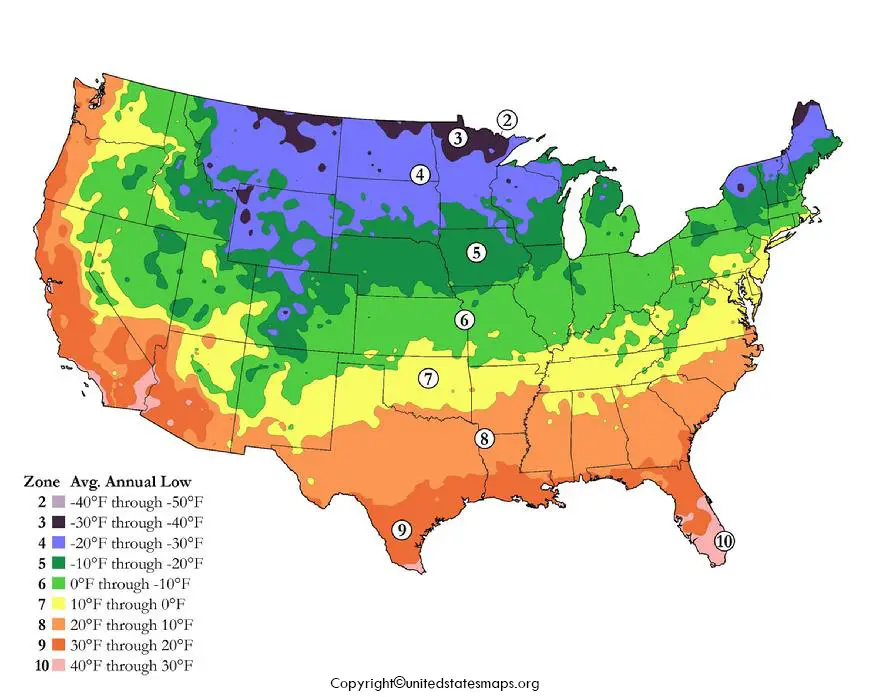
The USDA plant hardiness zone map divides North America into 13 zones based on average annual minimum winter temperatures. This map is used to determine which plants are most likely to thrive in a particular region. It’s a crucial tool for gardeners and landscapers.
How do I find the climate zone for my location?
You can find the climate zone for your location by using online resources such as the USDA plant hardiness zone map, the Köppen climate classification map, or by consulting local weather data and climate information.
LSI Keywords and SEO Considerations
- US climate map
- Köppen climate classification
- USDA plant hardiness zones
- Climate change impacts
- Weather patterns in the US
- Regional climates
- Temperature zones
- Precipitation data
- Climate zones by state
- American climate regions
Conclusion: Navigating the US Climate Landscape
The map of US climate zones reveals a fascinating tapestry of diverse weather patterns and environmental conditions. From the tropical rainforests of Hawaii to the arctic tundra of Alaska, the US offers a wide spectrum of climates that shape the lives of its inhabitants. Understanding these climate zones is essential for informed decision-making in various sectors, from agriculture and construction to urban planning and personal choices. As climate change continues to impact the planet, monitoring and adapting to shifts in these zones will become increasingly important.