What is Population Density?
Population density is a measurement of the number of individuals living in a specific area, typically expressed as people per square kilometer or square mile. It provides insights into how crowded or sparsely populated a region is. Analyzing population density maps helps us understand resource distribution, urbanization patterns, and potential environmental pressures.
China’s Overall Population Density
As of recent estimates, China’s population hovers around 1.4 billion people. However, this vast population is not evenly distributed across its 9.6 million square kilometers. The overall population density is approximately 145 people per square kilometer. Yet, this average masks significant regional variations.
Regional Variations in Population Density
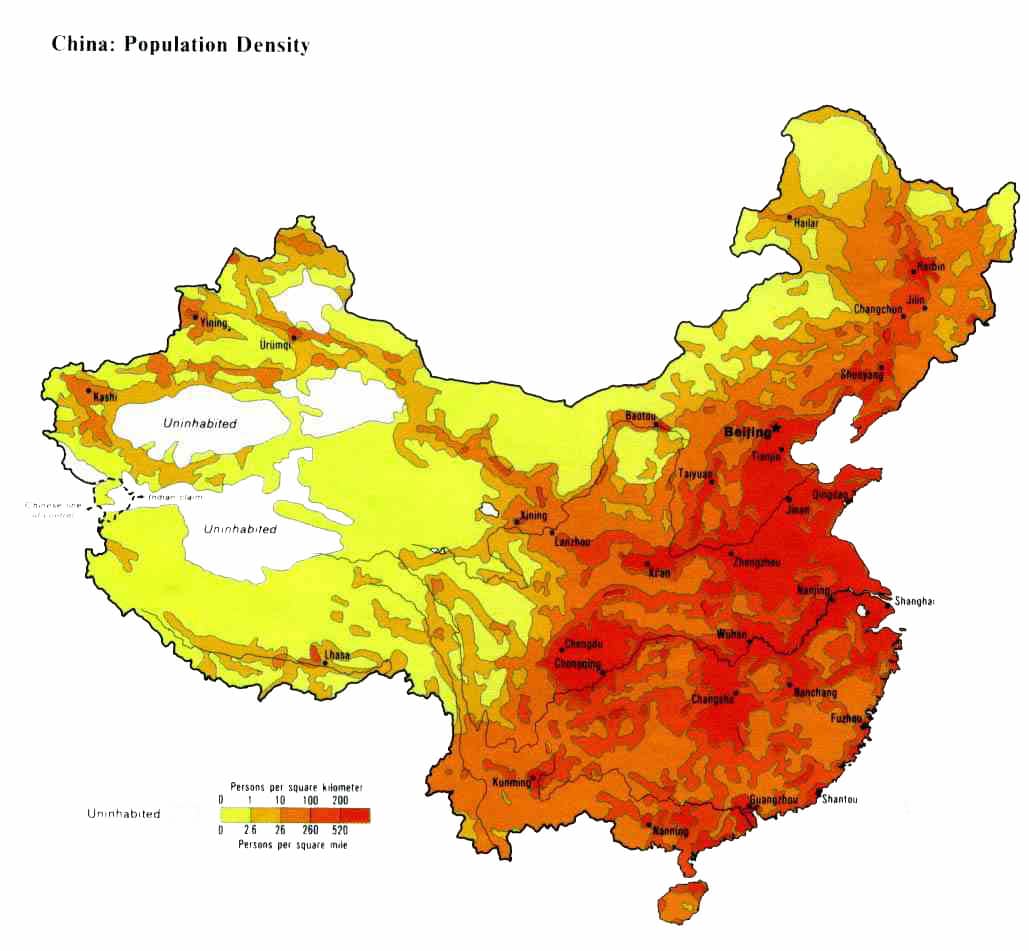
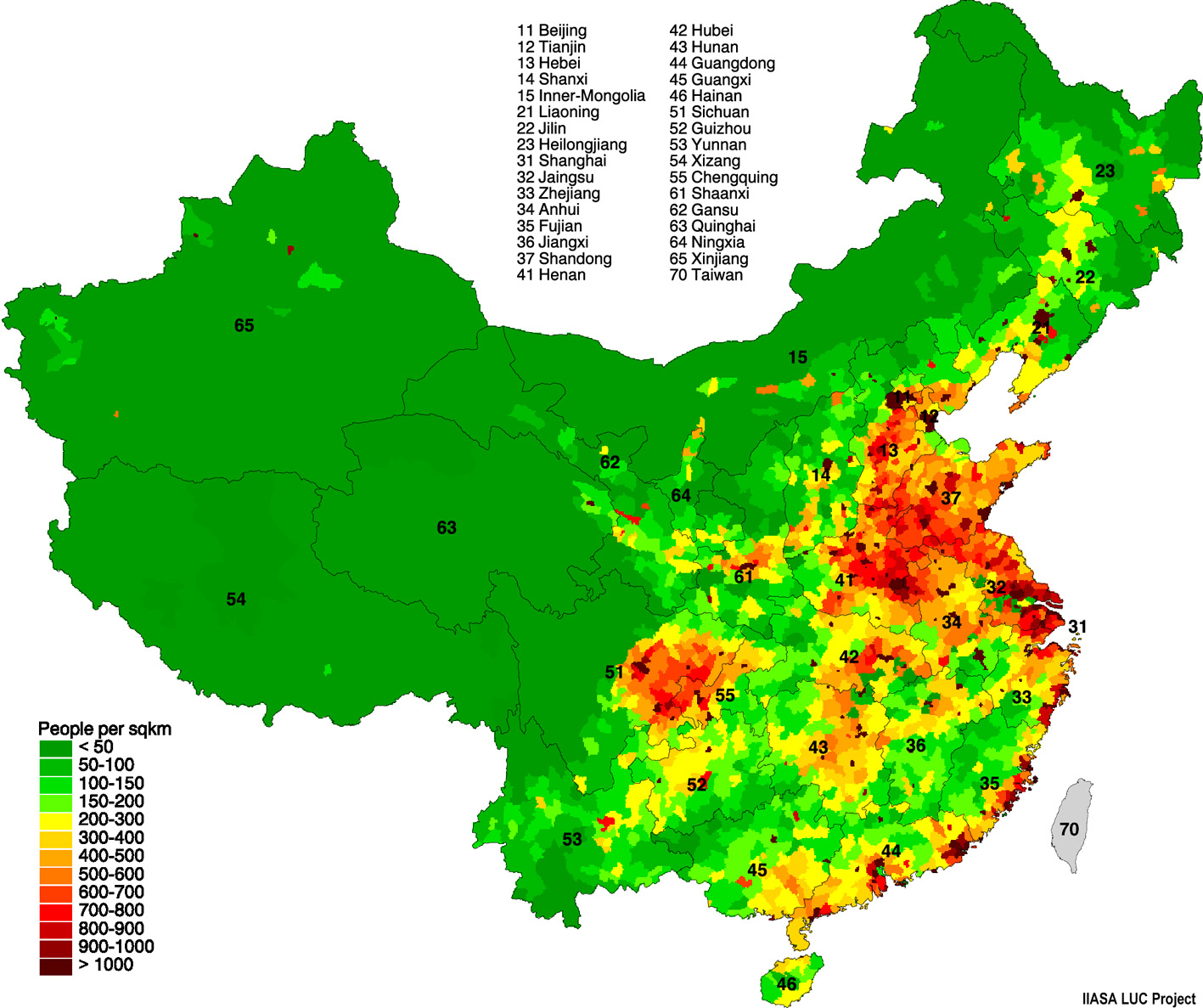
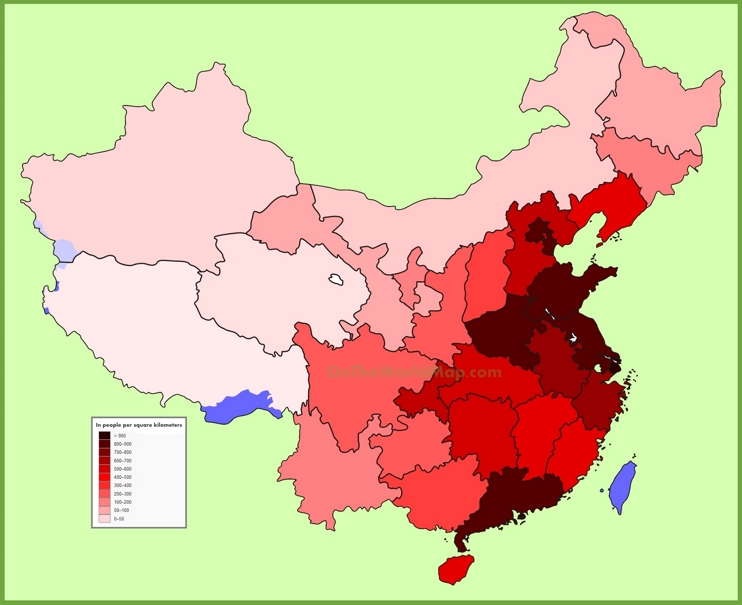
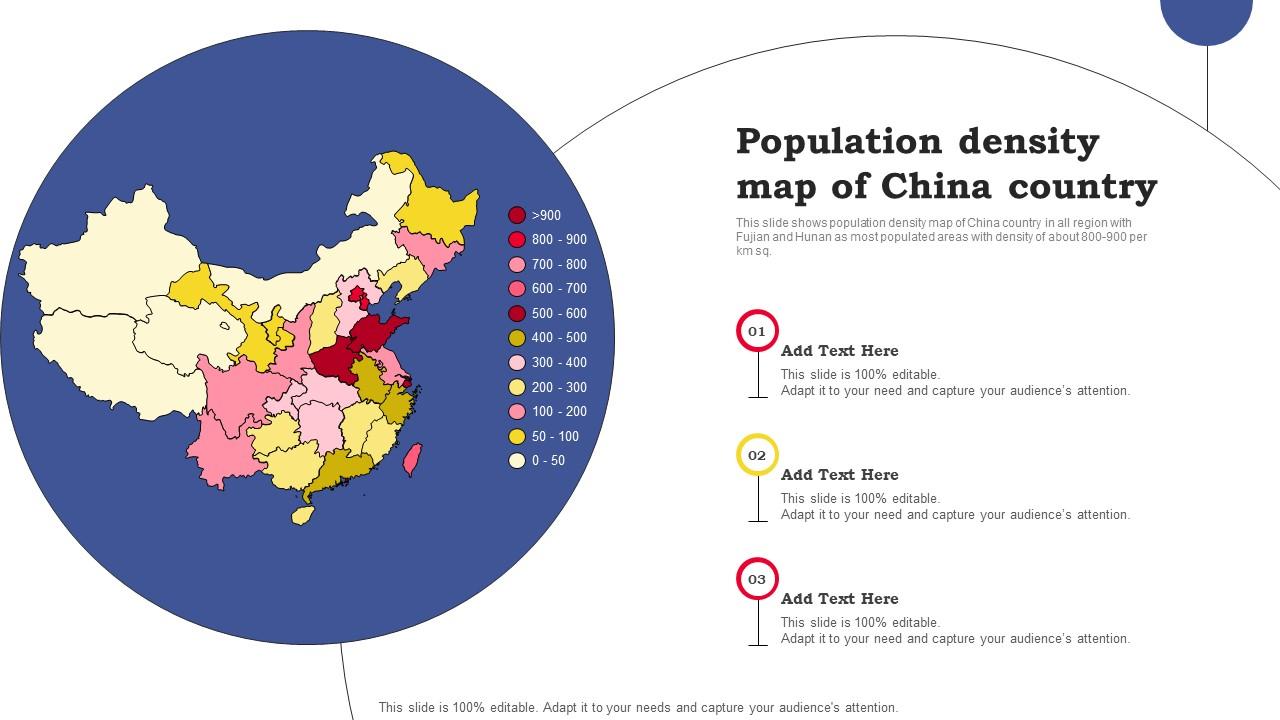
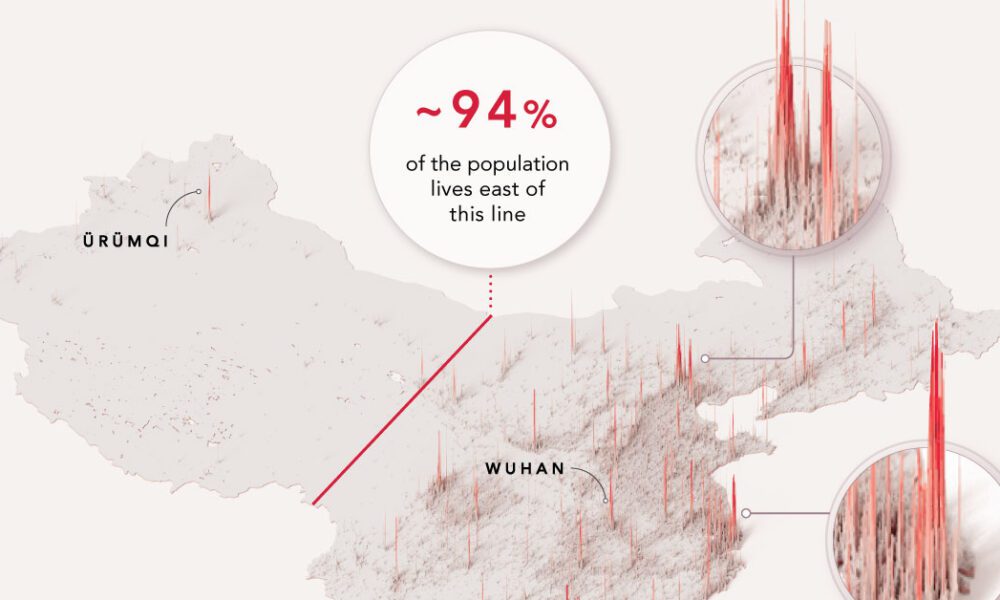
China’s population density map reveals a stark contrast between the eastern and western regions. The eastern coastal areas are significantly more densely populated than the western inland regions.
Eastern China: The Densely Populated Core
The eastern provinces, including those along the coast, such as Guangdong, Jiangsu, Shandong, and Zhejiang, exhibit high population densities. These regions benefit from favorable climates, fertile land, and access to maritime trade, fostering economic growth and attracting large populations. Key cities like Shanghai, Beijing, and Guangzhou are major economic hubs, contributing to the high population concentration.
Central China: A Transition Zone
Provinces in central China, such as Henan, Hubei, and Hunan, have moderate population densities. These regions serve as a transition zone between the densely populated east and the sparsely populated west. Agriculture remains a significant economic activity, supporting a substantial rural population. Urban centers like Wuhan and Zhengzhou are experiencing rapid growth, drawing in migrants from rural areas.
Western China: Sparsely Populated Frontiers
Western China, encompassing regions like Xinjiang, Tibet, and Inner Mongolia, is characterized by low population densities. Harsh climates, rugged terrains, and limited arable land contribute to the sparse population. These regions are rich in natural resources but face challenges in infrastructure development and economic diversification. The population is often concentrated in oasis settlements and along major transportation routes.
Factors Influencing Population Density
Several factors contribute to the uneven distribution of China’s population.
Geographical Factors
Geography plays a critical role in shaping population density. The eastern coastal plains offer fertile land suitable for agriculture, supporting large populations. River systems like the Yangtze and Yellow Rivers provide water resources and transportation routes, facilitating economic activity and population settlement. In contrast, the mountainous and desert regions of western China pose significant challenges to habitation.
Historical Factors
Historical events and migration patterns have also influenced population distribution. Throughout Chinese history, the eastern regions have been centers of economic and political power, attracting migrants from other parts of the country. The Great Wall, built to protect against invasions, also influenced settlement patterns. The historical Silk Road facilitated trade and cultural exchange, leading to population growth in certain areas along its route.
Economic Factors
Economic opportunities are a major driver of population density. The eastern coastal regions have experienced rapid economic growth since the late 20th century, driven by manufacturing, trade, and foreign investment. This has led to massive migration from rural areas to urban centers in the east. Special Economic Zones (SEZs) established in the 1980s, such as Shenzhen and Zhuhai, have become magnets for both domestic and international migrants.
Social Factors
Social factors, including government policies and cultural preferences, also play a role. China’s hukou system, a household registration system, historically restricted internal migration and contributed to uneven population distribution. However, reforms in recent years have eased some of these restrictions, allowing for greater mobility. Cultural preferences for living in certain regions or near family members also influence population patterns.
Analyzing the Population Density Map: Key Insights
Studying China’s population density map provides valuable insights into various aspects of the country’s development.
Economic Development
The high population density in eastern China correlates with its economic dominance. The concentration of industries, financial institutions, and technological innovation in these regions drives economic growth and creates employment opportunities. Understanding this correlation is essential for formulating regional development policies and addressing income disparities.
Resource Management
Population density affects resource management, including water, land, and energy. Densely populated areas face greater challenges in providing essential services and managing environmental impacts. Understanding population distribution is crucial for sustainable resource allocation and environmental protection.
Urban Planning
Population density is a key consideration in urban planning. High-density cities require efficient transportation systems, housing solutions, and public services. Analyzing population density patterns helps urban planners design sustainable and livable cities.
Social Services
The distribution of social services, such as education, healthcare, and social security, needs to align with population density. Ensuring equitable access to these services across different regions is crucial for social stability and well-being.
China’s Urban Centers: A Closer Look
China’s major urban centers exhibit some of the highest population densities in the world.
Shanghai
Shanghai, one of the world’s largest cities, has a population density exceeding 3,800 people per square kilometer. As a global financial and commercial hub, Shanghai attracts migrants from across China and around the world. The city’s skyline is dominated by high-rise buildings, reflecting its high population density.
Beijing
Beijing, the capital of China, has a population density of over 1,300 people per square kilometer. As the political and cultural center of the country, Beijing is home to numerous government institutions, universities, and cultural landmarks. The city faces challenges related to traffic congestion, air pollution, and housing affordability.
Guangzhou
Guangzhou, a major trading port in southern China, has a population density of approximately 2,300 people per square kilometer. The city’s vibrant economy and proximity to Hong Kong have made it a magnet for migrants and foreign investment. Guangzhou is known for its diverse culinary scene and bustling markets.
Challenges and Opportunities
China’s population density map presents both challenges and opportunities.
Challenges
High population density can strain resources, exacerbate environmental problems, and lead to social inequalities. Overcrowding in urban areas can result in traffic congestion, air pollution, and housing shortages. Uneven population distribution can contribute to regional disparities in economic development and access to services.
Opportunities
High population density can also foster innovation, drive economic growth, and promote cultural exchange. Dense urban centers can benefit from economies of scale, attracting investment and talent. Understanding population patterns can help policymakers develop targeted strategies for addressing challenges and capitalizing on opportunities.
Future Trends in Population Density
China’s population density map is likely to evolve in the coming years due to several factors.
Urbanization
Continued urbanization will lead to further population concentration in urban centers. As more people migrate from rural areas to cities in search of employment and better living standards, urban population densities will continue to rise. This trend will require careful urban planning and infrastructure development.
Economic Development Policies
Government policies aimed at promoting balanced regional development may influence population distribution. Initiatives to encourage investment in western and central China could help reduce population concentration in the eastern coastal regions. The Belt and Road Initiative, a massive infrastructure and investment project, could also impact population patterns by creating new economic opportunities in inland areas.
Demographic Changes
Demographic changes, such as declining birth rates and an aging population, will also affect population density. As China’s population ages, there may be a shift in population distribution, with older individuals preferring to live in less crowded areas or returning to their hometowns.
Conclusion
China’s population density map is a dynamic and complex reflection of its geography, history, economy, and society. Understanding regional variations in population density is crucial for addressing challenges related to resource management, urban planning, and social equity. By analyzing the factors that influence population distribution and anticipating future trends, policymakers can develop strategies to promote sustainable and balanced development across China. The interplay between population density and socio-economic factors will continue to shape China’s future trajectory.
- China’s population density varies greatly between the densely populated eastern coastal regions and the sparsely populated western inland areas.
- Geographical, historical, economic, and social factors all influence population distribution.
- High population density presents challenges related to resource management, environmental sustainability, and social equity.
- Continued urbanization and demographic changes will shape future population density patterns.
- Understanding China’s population density map is essential for informed policymaking and sustainable development.
- National Bureau of Statistics of China
- World Bank Data on Population Density
- Academic Journals on Chinese Demography