Understanding Bay Area Traffic: An Overview
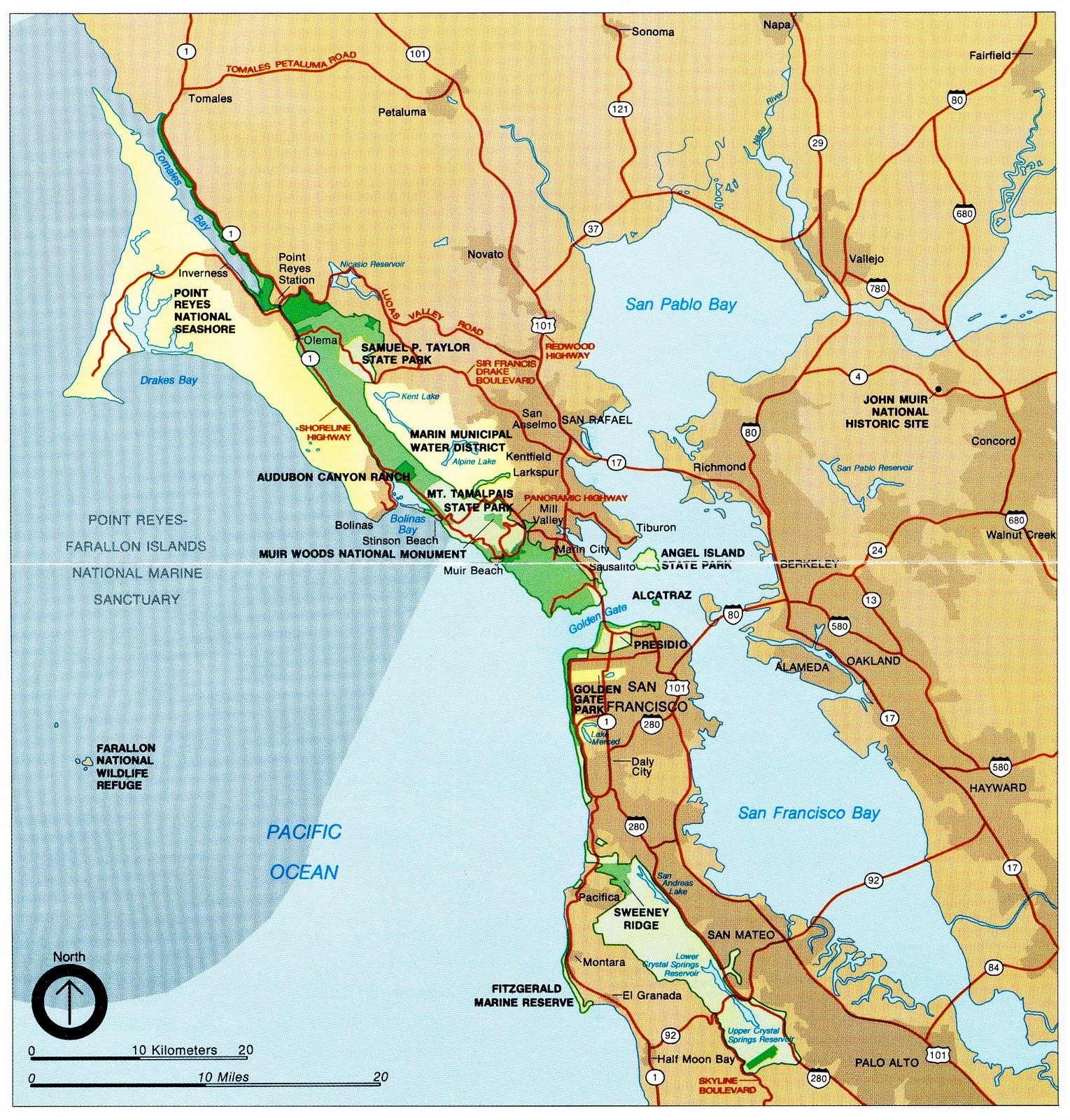
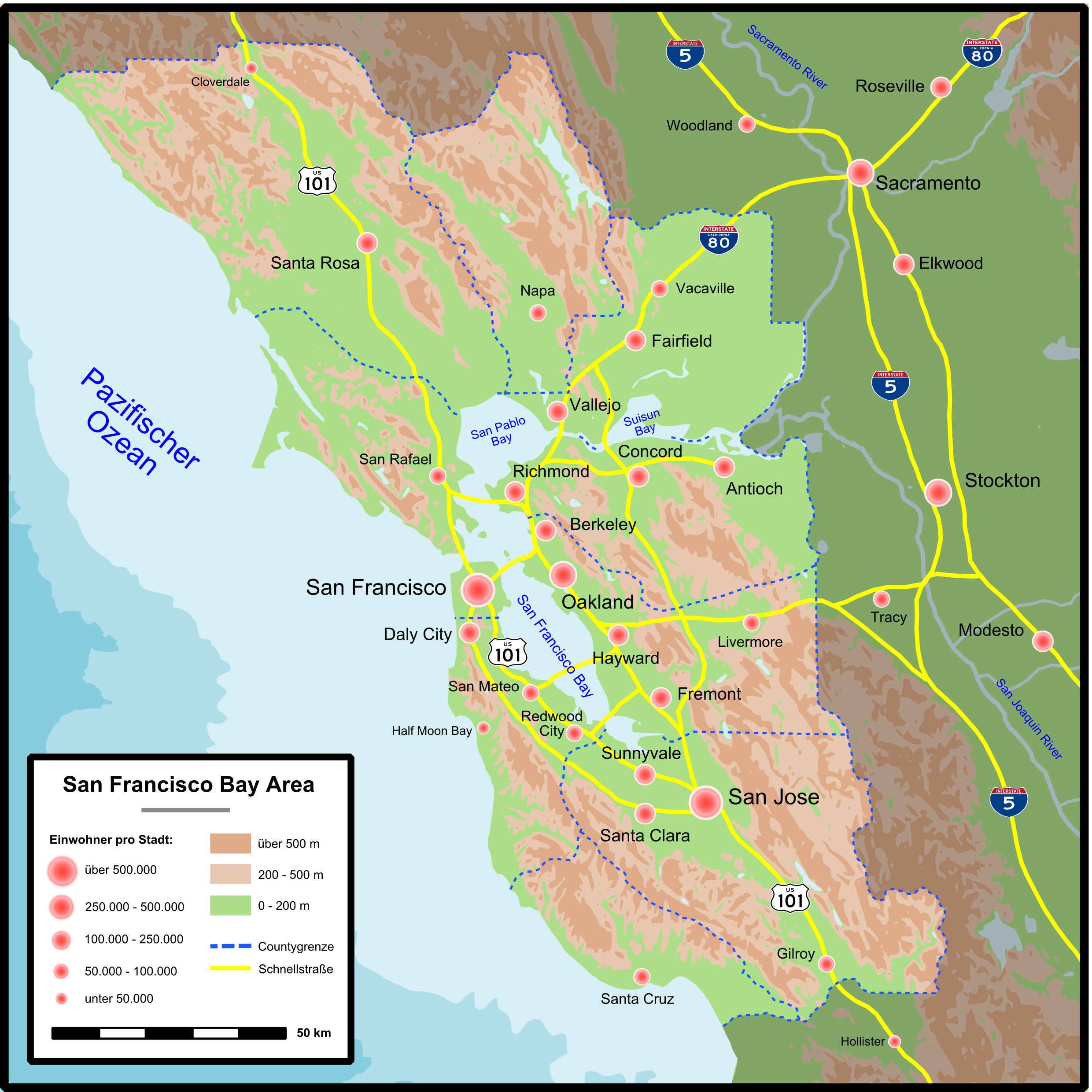
The Bay Area’s traffic woes stem from a combination of factors, including a high population density, a thriving economy that attracts commuters from across the region, and a complex network of bridges, highways, and local streets. Peak commute hours, typically between 6:00 AM and 10:00 AM and again from 3:00 PM to 7:00 PM, see the heaviest congestion. Certain areas, such as the Dumbarton Bridge, the Bay Bridge, and major highway interchanges, are particularly prone to bottlenecks.
Real-Time Traffic Maps: Your Essential Tool
Google Maps: A widely used and reliable option, Google Maps offers real-time traffic data, incident reporting, and estimated travel times. Its intuitive interface and integration with other Google services make it a convenient choice.
Waze: A community-based navigation app, Waze relies on user-submitted reports to provide real-time traffic updates, including accidents, road closures, and even police presence. Its interactive nature and focus on user experience make it a popular choice among commuters.
Sigalert: A dedicated traffic information service, Sigalert provides detailed reports on traffic incidents and conditions throughout the Bay Area. Its comprehensive coverage and focus on accuracy make it a valuable resource for serious commuters.
511.org: The official traffic information service for the San Francisco Bay Area, 511.org offers real-time traffic maps, incident reports, and information on public transportation options. It’s a comprehensive resource for all things transportation in the region.
Decoding the Traffic Map: Understanding Key Indicators
Traffic maps typically use color-coded systems to represent traffic flow. Green indicates free-flowing traffic, yellow indicates moderate congestion, and red indicates heavy congestion or standstill traffic. Incident markers, such as icons representing accidents or construction, provide additional information about potential delays. Learning to interpret these indicators quickly can help you make informed decisions about your route.
Navigating Peak Commute Hours: Strategies for Success
Adjust Your Schedule: If possible, shift your commute time to avoid the peak hours. Even a slight adjustment can make a significant difference in your travel time.
Explore Alternative Routes: Familiarize yourself with alternative routes to your destination. Local streets or less-traveled highways may offer a faster alternative to congested freeways.
Utilize Public Transportation: The Bay Area boasts a comprehensive public transportation system, including BART, Caltrain, and ferries. Consider taking public transportation to avoid traffic altogether.
Carpool or Rideshare: Sharing a ride with colleagues or using a ridesharing service can reduce the number of cars on the road and potentially qualify you for carpool lane access.
Work Remotely: If your job allows, consider working from home on days when traffic is expected to be particularly heavy.
Bridges and Tunnels: Navigating Key Chokepoints
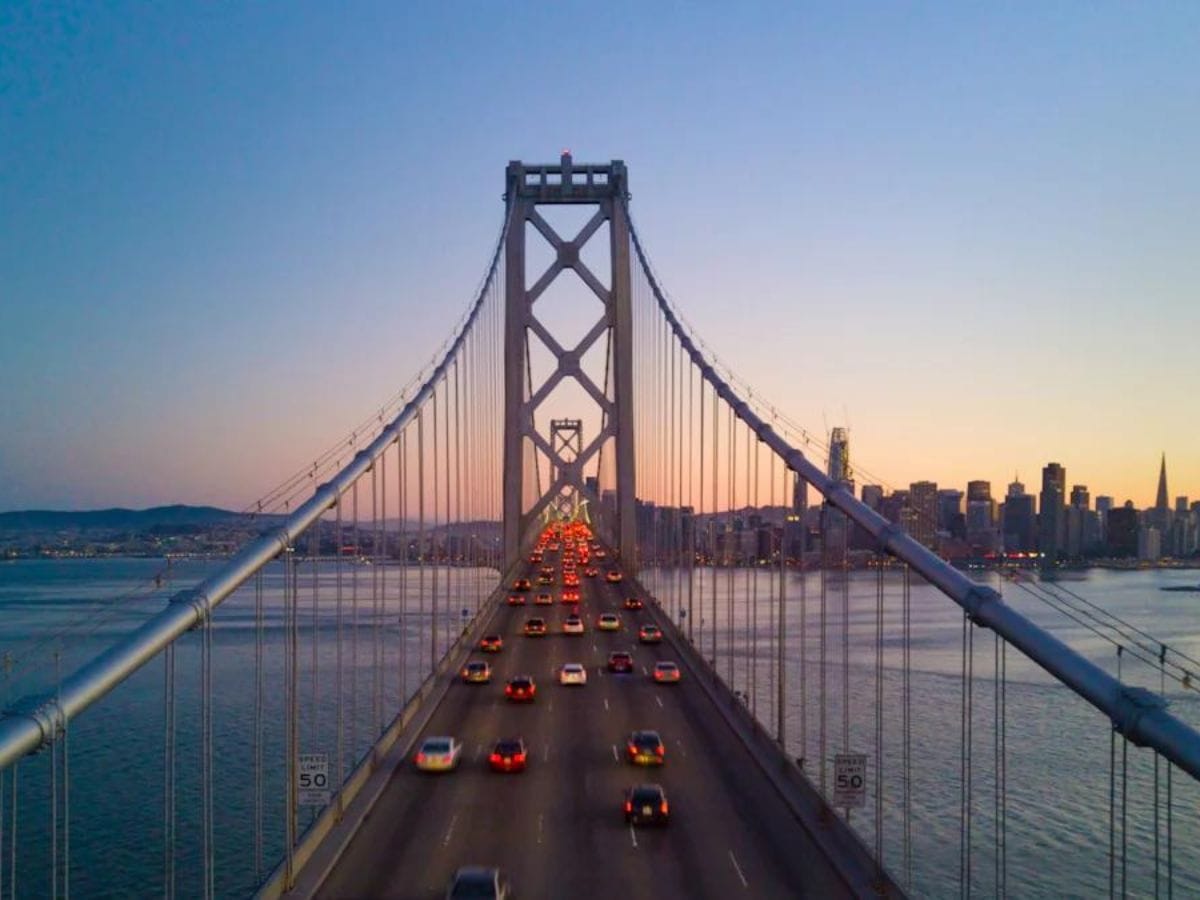
Bay Bridge (I-80): Connecting San Francisco and Oakland, the Bay Bridge is one of the busiest bridges in the world. Expect significant delays during peak hours, especially on the eastbound direction in the morning and the westbound direction in the evening.
Golden Gate Bridge (US-101): An iconic landmark, the Golden Gate Bridge can also experience heavy traffic, particularly on weekends and holidays. Tolls are collected electronically.
Dumbarton Bridge (CA-84): Connecting the Peninsula and the East Bay, the Dumbarton Bridge is another major chokepoint. Traffic can be particularly heavy during the morning and evening commutes.
San Mateo-Hayward Bridge (CA-92): Connecting the Peninsula and the East Bay, the San Mateo-Hayward Bridge is another bridge that experiences heavy traffic during peak hours.
Caldecott Tunnel (CA-24): Connecting Oakland and Contra Costa County, the Caldecott Tunnel can experience significant delays, especially during commute hours and during emergencies.
Leveraging Technology for a Smoother Commute
Navigation Apps: Apps like Google Maps and Waze offer turn-by-turn navigation, real-time traffic updates, and alternative route suggestions.
Traffic Cameras: Many transportation agencies provide access to live traffic camera feeds, allowing you to visually assess traffic conditions before you head out.
Traffic Alerts: Sign up for traffic alerts from your preferred navigation app or traffic information service to receive notifications about accidents, construction, and other incidents that may impact your commute.
Smart Car Features: Many modern vehicles offer built-in navigation systems with real-time traffic updates and adaptive cruise control, which can help you maintain a safe following distance in congested traffic.
The Future of Bay Area Traffic: Addressing Congestion
Public Transportation Improvements: Expanding and improving public transportation options, such as BART and Caltrain, is a key priority.
Roadway Expansion Projects: Adding lanes to existing highways and building new roadways can help alleviate congestion in certain areas. However, these projects can be controversial due to environmental concerns and potential for induced demand.
Smart Traffic Management Systems: Implementing intelligent traffic management systems, such as adaptive traffic signals and real-time traffic monitoring, can help optimize traffic flow.
Telecommuting and Flexible Work Arrangements: Encouraging telecommuting and flexible work arrangements can reduce the number of cars on the road during peak hours.
Pricing Strategies: Congestion pricing, which involves charging drivers a fee to use certain roadways during peak hours, is being considered as a way to manage traffic demand.
People Also Ask: Common Questions About Bay Area Traffic
What are the worst times to drive in the Bay Area? The worst times to drive are typically during peak commute hours, between 6:00 AM and 10:00 AM and again from 3:00 PM to 7:00 PM.
Which bridges have the most traffic in the Bay Area? The Bay Bridge, Golden Gate Bridge, and Dumbarton Bridge are among the bridges with the most traffic.
How can I avoid traffic on the Bay Bridge? Consider using public transportation (BART or ferry), carpooling, or adjusting your commute time to avoid peak hours.
Are there any toll-free bridges in the Bay Area? No, all major bridges in the Bay Area have tolls.
Where can I find real-time traffic information for the Bay Area? You can find real-time traffic information on Google Maps, Waze, Sigalert, and 511.org.
Conclusion: Mastering the Bay Area Traffic Maze
Navigating the Bay Area’s traffic can be challenging, but with the right tools and strategies, you can minimize stress and maximize your time. By utilizing real-time traffic maps, exploring alternative routes, considering public transportation, and staying informed about traffic conditions, you can conquer the Bay Area’s roadways and enjoy a smoother, more efficient commute. Remember to stay patient, be aware of your surroundings, and always prioritize safety.